









Now Reading: A new game begins: Talisay ushers in the Philippines’ first padel courts
-
01
A new game begins: Talisay ushers in the Philippines’ first padel courts
A new game begins: Talisay ushers in the Philippines’ first padel courts

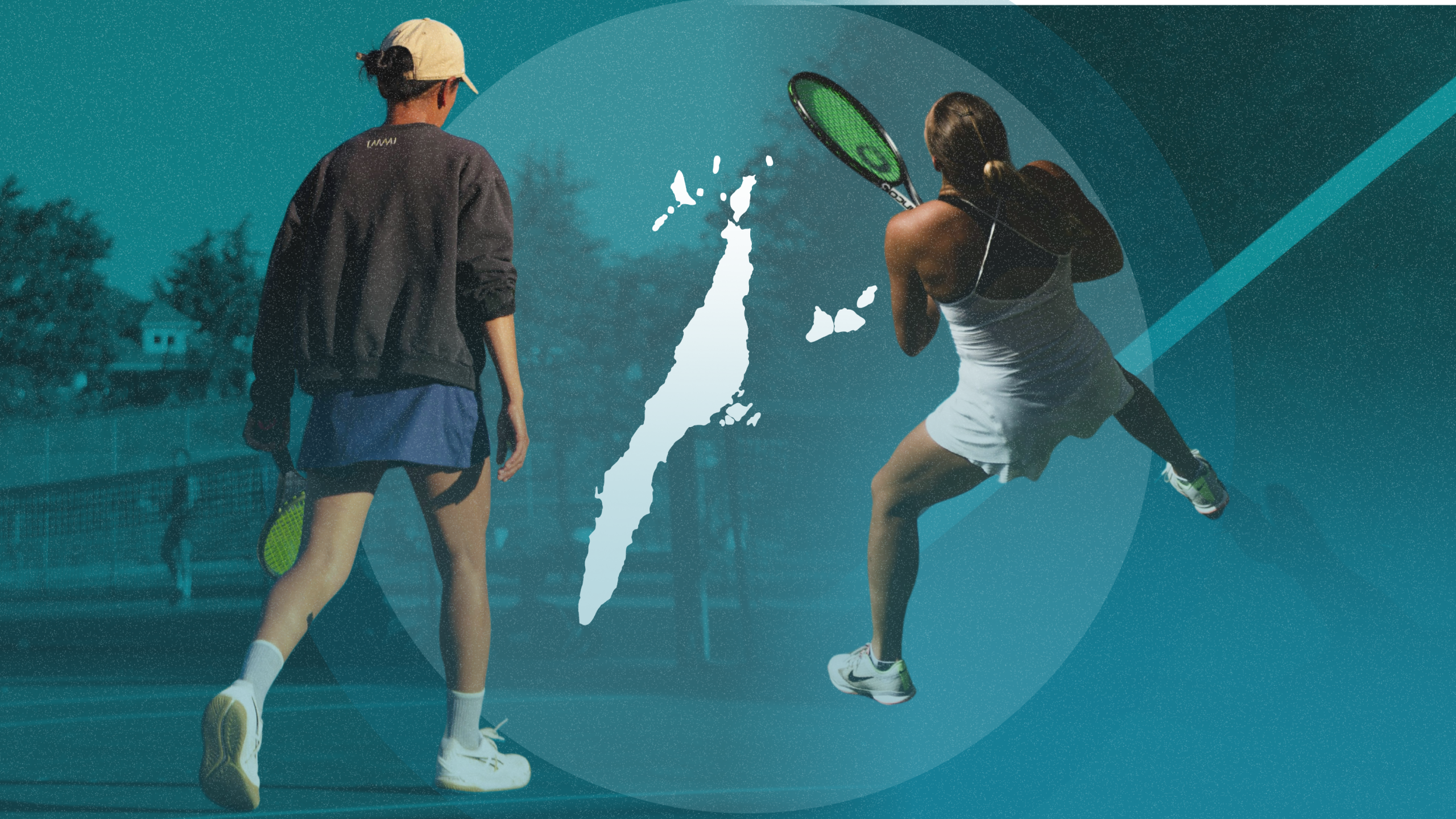
Crowds pressed closer under the Cebu heat, their cheers ricocheting off the new glass courts where padel finally arrived in the Philippines.
From exclusive clubs to Cebu’s public courts
Private padel courts have quietly opened in some parts of Luzon in recent years, such as Play Padel in Mandaluyong and Palm Beach Padel Club in Batangas, access has largely been limited to clubs and exclusive communities. Talisay City’s first public padel courts break that mold, transforming a quiet corner of its sports complex into the starting point of a sport still unfamiliar to most Filipinos.
The launch was led by Senator Pia Cayetano and Mayor Samsam Gullas, who cut the ribbon before a crowd of curious residents and athletes. For them, it was the official arrival of padel, a racket game already sweeping across Europe and Latin America. With Cebu as its pioneer, the Philippines is now joining a global wave.
What makes padel different
Padel looks familiar but plays differently. The court is smaller than tennis, enclosed by glass walls that keep the rallies alive. Players use solid rackets, hit a softer ball, and often play in doubles, making the pace brisk and the learning curve less intimidating.
Unlike tennis, serves in padel are underhand, which lowers the barrier for beginners and keeps the game flowing. The glass and mesh walls are also part of the action. When the ball bounces off them, the rally continues, creating unexpected angles and longer exchanges that keep both players and spectators engaged.
Scoring follows the same system as tennis: love, 15, 30, 40, game, which makes it easy for players to transition between the two sports. But while tennis often favors power and speed, padel rewards strategy, quick reflexes, and teamwork. Because most matches are doubles, communication and positioning become just as important as skill with the racket.
Games are typically shorter, and rallies can last longer than in tennis, which is why padel is often described as more social and inclusive. Beginners can pick it up in a single session, yet the sport still offers enough depth and challenge to keep advanced players hooked.
A global sport on the rise
According to the International Padel Federation’s (FIP) 2024 round-up report, more than 30 million people across 130 countries now play the sport, with new courts multiplying in cities from Madrid to Dubai. In Spain, for instance, padel has exploded to become the second most played sport after soccer, with tens of thousands of courts built in just two decades.
Real play in a digital age
Senator Cayetano believes timing matters. For her, padel is a way to bring children outdoors, give families new ways to bond, and offer beginners a friendlier entry point to fitness.
“In this age of online games, we need real-life play. Pawisan tayo, mag-away ng konti, bati ulit, laro ulit. That’s the childhood I want for our kids,” she said during the launch.
₱60 million for a sporting future
The city government invested ₱60 million to make the dream tangible. Two padel courts now sit beside a new basketball court, with added facilities like a motorpool office and a parking area.
To put it in perspective, the budget is roughly the same as building several mid-sized municipal gyms or refurbishing an entire barangay sports complex. For Mayor Gullas, the spending is about expanding options and giving Cebuanos sports beyond the usual basketball and volleyball, and positioning his city as a trendsetter.
Building coaches, building culture
Momentum is already spreading. Bryan Casao, national head coach of Padel Philippines has trained ten local coaches to guide first-timers and build grassroots enthusiasm.
Meanwhile, Cayetano is setting her sights higher, pushing for padel’s inclusion in the Palarong Pambansa. That path won’t be easy. For a sport to enter the Palarong Pambansa, it must first secure endorsement from the Department of Education, undergo pilot tournaments at the regional level, and demonstrate strong interest from schools across the country. If padel makes it through, the payoff could be big, finding its way into schoolyards, sparking young athletes’ interest, and eventually opening doors to international competition.
A chance for Cebu to lead
For Cebu, this is a novelty, and it can also be a chance to lead. By hosting the country’s first public padel courts, Talisay has written itself into Philippine sports history. The courts are small, but their potential impact is large: children finding new passions, athletes carving fresh opportunities, families creating memories outside screens.
Redefining the Philippine game
The rise of padel also signals a shift in the Philippine sporting landscape. For decades, basketball has dominated the country’s courts, while volleyball surged among the youth in recent years. Padel’s entry offers a refreshing alternative, an option that is less intimidating than tennis, less contact-heavy than basketball, and more social than many traditional games. In a country where access and inclusivity remain challenges, padel could redefine what it means to “pick up a sport.”
More than a game: economic ripple effects
Beyond recreation, the ISPO-Munich, the world’s largest sports business trade fair, has spotlighted padel’s global economic potential. New courts mean construction projects, coaching opportunities, and tournaments that can draw tourism. A sport that thrives on doubles also builds a culture of community and camaraderie. As Cebu opens the first door, other local governments and private groups may soon follow, creating a ripple effect that strengthens both grassroots sports and the broader industry.
Cebu’s place in Asia’s padel bloom
The timing aligns with a global wave. Countries across Asia, from Japan to Singapore, have begun embracing padel, with courts sprouting in urban centers. If the Philippines positions itself early, it could become a hub for Southeast Asian tournaments, allowing Filipino players to compete at home while showcasing local talent.
A healthier, more inclusive sport
Health experts also point to padel’s role in promoting active lifestyles. With Filipinos facing rising rates of sedentary behavior, sports like padel, which is less rigid, less elite, and easy to start, can draw more people into physical activity. Unlike sports that demand years of training, padel offers instant gratification: players can enjoy the thrill of long rallies even on their first try. This accessibility may prove crucial in keeping communities engaged.
Cultural relevance matters, too. By pioneering padel, Talisay is showing that the Philippines can be more than just a basketball nation, it can be an adopter and innovator in global sports trends. For the next generation of Filipino athletes, this means broader opportunities, diverse career paths, and the chance to shine in a field not yet saturated.
The glass walls may frame the court, but the echoes of that first rally break through, heralds a new era in Philippine sports.