








Now Reading: An organically created playlist
-
01
An organically created playlist

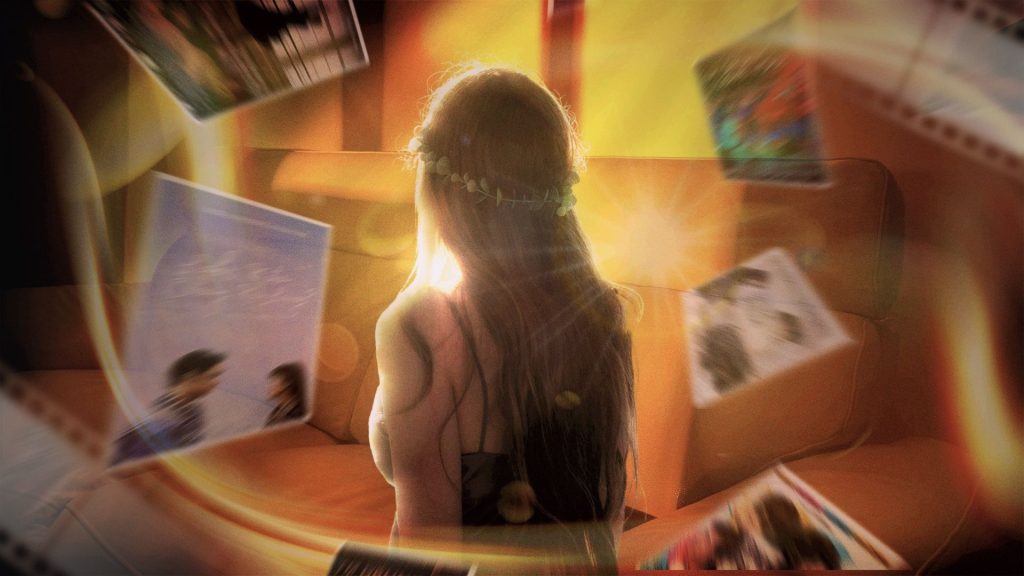
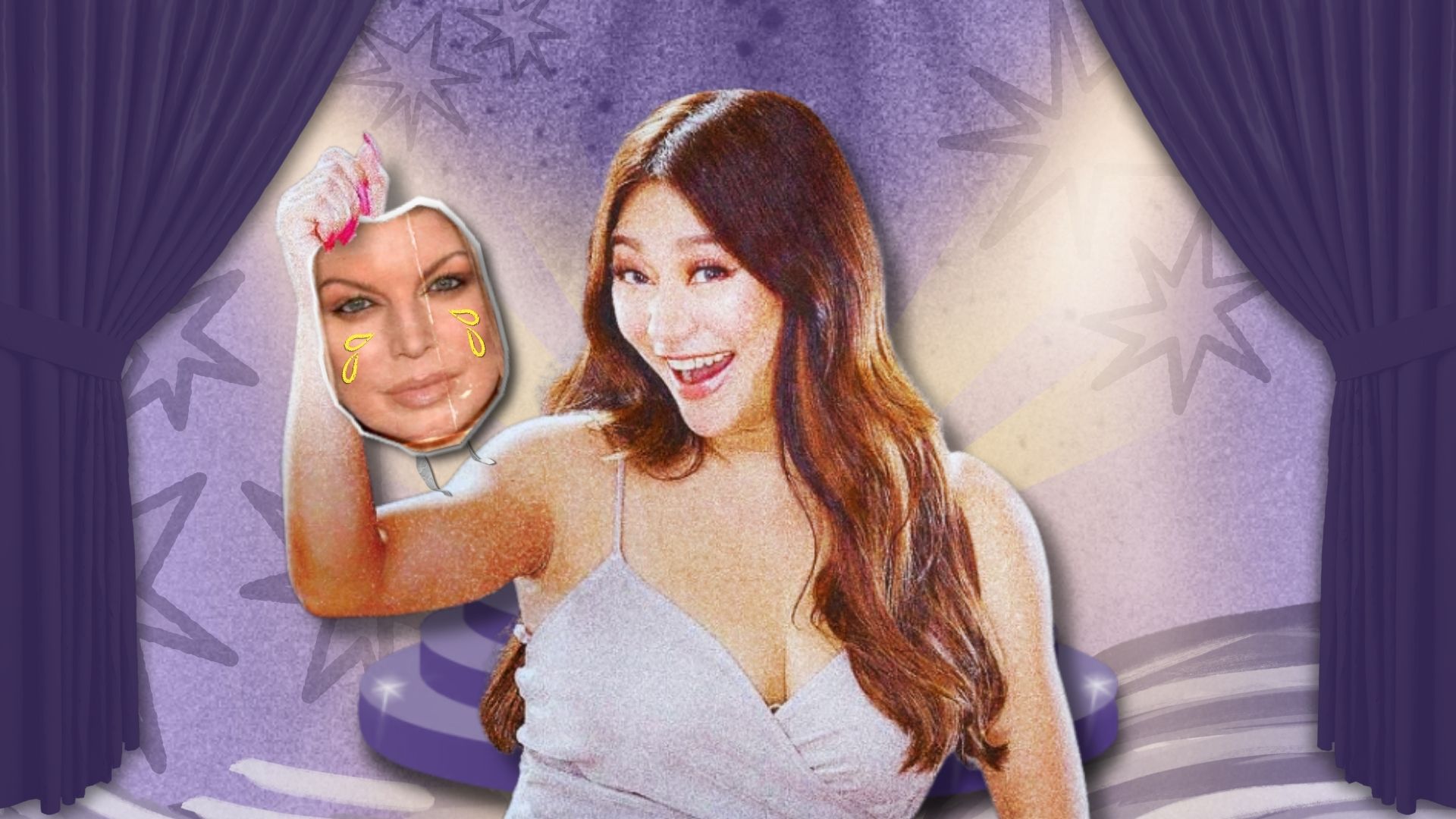
When the internet found out that Sienna Rose wasn’t real, the reaction was intense. People were shocked because the music she produced was good. Really good. Her songs sounded emotional, and convincing enough to pass as human-made, and for a while, listeners believed there was a real person behind the voice. The reveal felt unsettling, why is that? Because AI did not fail, it succeeded in infiltrating the music industry.
And that’s where the discomfort settles in. Yes, the music works. Yes, it sounds good. But the fact that an artificial identity could move people easily forces us to raise different questions. If an AI artist can generate music that connects without ever living a life, what does that mean for real musicians still trying to be heard?
Musics made by people
Music was never meant to be automated. Long before prompts were generated, music existed as a deeply human act… Something created through emotion, as well as effort. And every song made by a real artist carries traces of the person behind it; the simple voice cracking and their intention in every note. These kinds of details can’t be programmed.
Nowadays, AI-generated tracks are becoming more common, which is saddening. In a world of AI’s, be human! It’s a way of saying that effort still matters. This is why a playlist that is purely organic, with no AI added, still holds value. Listening to music made by people is a reminder of what art was always meant to be: alive and imperfect.
Are we listening or just consuming?
With endless music available, it has become easier to let songs play in the background without truly engaging with them. So, when did we really stop listening? Music has been a part of our culture and history; it is no surprise that music can be heard everywhere. For instance, music from traffic jams, Sunday radios, melodies of nature, and even karaoke from your neighborhood. It is something we deliberately experienced as it gives us that sense of freedom and tranquility. But, the problem is when music is treated as content to be consumed quickly; the intention and effort behind them often fade into the background.
As time changes, it is now so easy to consume music—in its shortest form. There are Tiktok edits, and reels. However, unintentional listening becomes harmful when we just consume these mediums of comfort to block our perceptions of reality. Now it looks like music has become a disposable tool in this fast and chaotic world. Many users mistakenly consume music as a form of quick entertainment rather than authentic expressions.
Listening has always been an act that seems easy, but harder to practice. It means paying attention to the lyrics, noticing the emotion in a voice, and recognizing the person behind it. Choosing to listen rather than consume is a good act to treat music as art instead of mere noise; intentional listening is a way to honor real musicians.
The normalization of AI usage
In our status quo, generative-AI models have been part of the music industry. There is no doubt that this normalization of artificial intelligence is a big step to mankind’s innovation, but at what cost? AI is now implemented in the music industry; the users can create lyrics from scratch, produce distinct melodies, and surprisingly, it can imitate the voice of popular singers.
With the rise of its usage and convenience, many people are now embracing and enjoying the new change brought by this development. Although artificial intelligence can produce melodies that are on par to great hits that we love, can it replicate the depth of music made by people? Is it capable of understanding the sacrifices an artist makes before it took them to create a masterpiece?
While this may seem like a great progression to the history of humanity, the real problem starts shifting when society tries to equate ai-produced to the boundaries of a man’s imagination and abilities. “With great power comes greater responsibility,” a phrase that sets a reminder of our own morality. The weight of continuously relying on AI for the things that people cherish is far heavier; there is a risk to have a future devoid of human heart and emotions. It is true that artificial intelligence is an efficient tool with great variability, but it should not be used to redefine the standards of music and the specialty of human touch.
What we risk losing to AI
With AI-generated music advancing to the point that it’s quickly gaining traction in the music sector of the industry. It has now moved far beyond zeros and ones that it manages to attain societal value in the context of artistic productions. This might be a great opportunity for large music platforms for it could save them large amounts of money but what about small artists and to those people who make a livelihood with music?
Technology has always been a part of our society but this has become much more alarming when the music industry and other large corporations undergo industrial revolution primarily through the usage of artificial intelligence. This will not only affect the lives of many artists but can also change the standards of music itself. While AI does provide efficiency, it is based on existing patterns and general datas that will result in the loss of authenticity.
Why real musicians still matter
At the end of the day, no amount of generated prompts can replicate the authenticity of music created by the hands of artists who put a great amount of effort into creating a masterpiece. Real musicians invest time into their work; writing lyrics drawn from personal stories, practicing endlessly to perfect their notes, and choosing every word with intention. The result is music that feels human because it is human, there are imperfections that make each song unique and emotionally resonant in a way automated creations cannot ever imitate.
Real musicians matter because they give music meaning beyond entertainment. Their work reflects different cultures, their identity, and shared experiences. This allows listeners to feel understood and connected with their music. That is why supporting real artists means supporting expression in its truest form. When music can be generated instantly, it is undeniably better to choose human-made songs to value the collective effort, originality, as well as the voices behind the art. Trust the process, not just the final product.
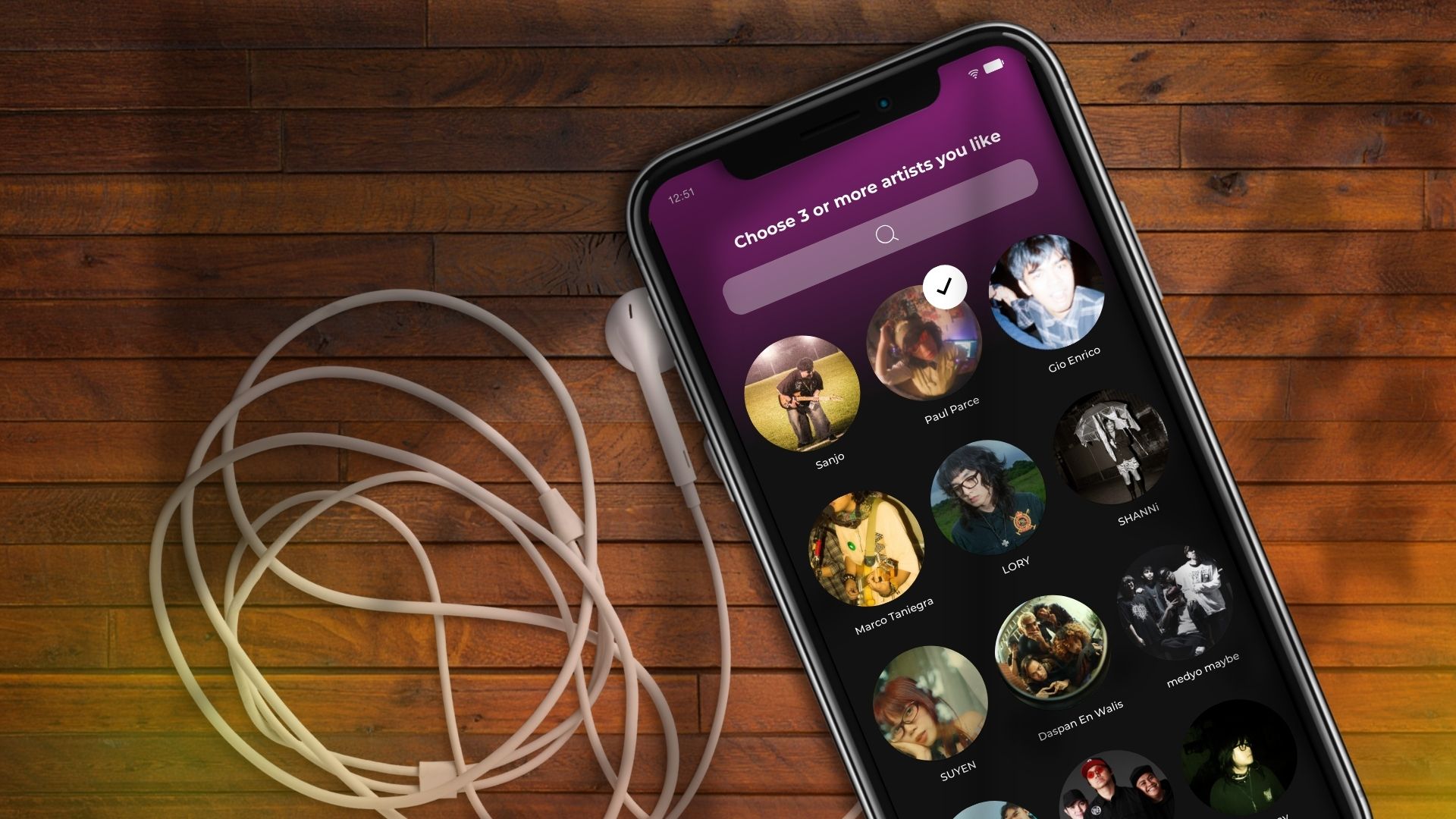
Below are a few recommendations that capture this spirit: artists whose work feels personal and unmistakably human. They carry a voice, a story, and a reason.
Pinoy indie artist/band recommendations
- Sanjo
- Paul Parce
- K. (K.cathrine on ig)
- Marco Taniegra
- LORY
- SHANNI
- SUYEN
- Daspan En Walis
- Medyo Maybe
- Nemic
- Sundayspecial
- wax.wav
- (e)motion engine
- Chest.in
- Gio Enrico
- Goon Lagoon
- Joeirei
- Ligaya Escueta
- Tila Payaso
- MOXY!
- unikko ijo