




Now Reading: Anong trabaho mo diyan?
-
01
Anong trabaho mo diyan?

Too often, the humanities become acquainted with the suffix “less.”
Useless. Jobless. Pointless.
Yet, also too often, when universities need someone to speak to thousands of graduates and tell them what kind of life is worth living, they turn to the very people shaped by the humanities. Speakers like Jessica Soho, Atom Araullo, and Kara David make headlines, are quoted long after their speeches end, and are commended for their integrity and public service.
But when the hype dies down, their disciplines become deficient yet again.
This is not coincidental. For decades, our society has long been convincing young Filipinos that history, journalism, communications, philosophy, literature, languages, and the arts are nothing short of hobbies and jobless dreams. BA students always hear from unsolicited Filipino career experts, “Walang pera diyan” at “Wala kang mapapala diyan.”
Underlying these remarks is a long-standing belief that has influenced how we understand education—that it should be defined by its employability, salary, and economic returns, leaving the humanities in the margins yet again. Apparently, our dreams should always be justified with their economic returns. However, universities have historically served a larger purpose. Beyond producing employees, they cultivate citizens who are capable of questioning power, understanding culture, and providing humane solutions to problems.
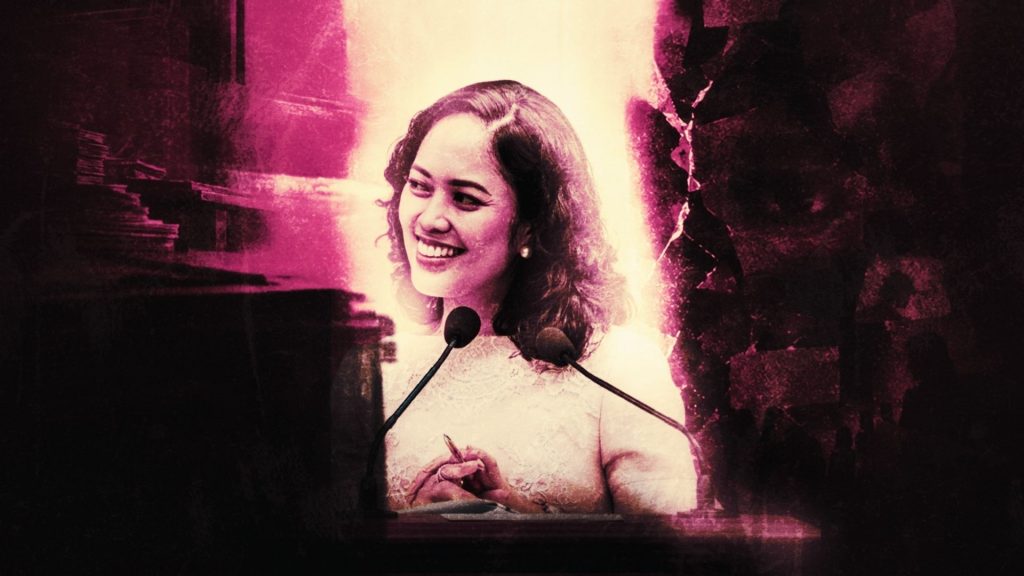
The valedictory address of UP Cebu Political Science graduate Athena Ella Gipanago Antepuesto discusses this very contradiction. As the first valedictorian from the College of Social Sciences in years, she argued that her achievement was not a cause for celebration but a symptom of a deeper problem—the Philippine educational system’s long-overdue underinvestment in the Social Sciences and Humanities. As such, she reminded her fellow graduates that society does not need thinkers convinced that only their own ideas deserve to be heard, but those willing to question the fairness of the systems they inhabit. That, after all, is precisely what the humanities have always trained people to do.
Certainly, the Philippines needs more doctors, nurses, engineers, and scientists. Their expertise remains indispensable to national development. However, supporting STEM should never require diminishing humanities, as though one discipline’s value could only exist at another’s expense.
After all, the country’s most pressing challenges are hardly technical problems alone.
Climate change, for example, is not merely an environmental challenge needing scientific solutions. It is also a political and cultural one that needs storytellers, educators, writers, and advocates capable of translating science into public action. Moreover, defeating disinformation does not lie in content authentication and automated fact-checking alone but also on journalists and historians to differentiate manufactured narratives from facts.
Thus, rather than competing, the humanities collaborate with STEM by giving a face to its discoveries.
Perhaps the strongest evidence of the humanities’ relevance, however, lies in the ordinary daily lives of Filipinos.
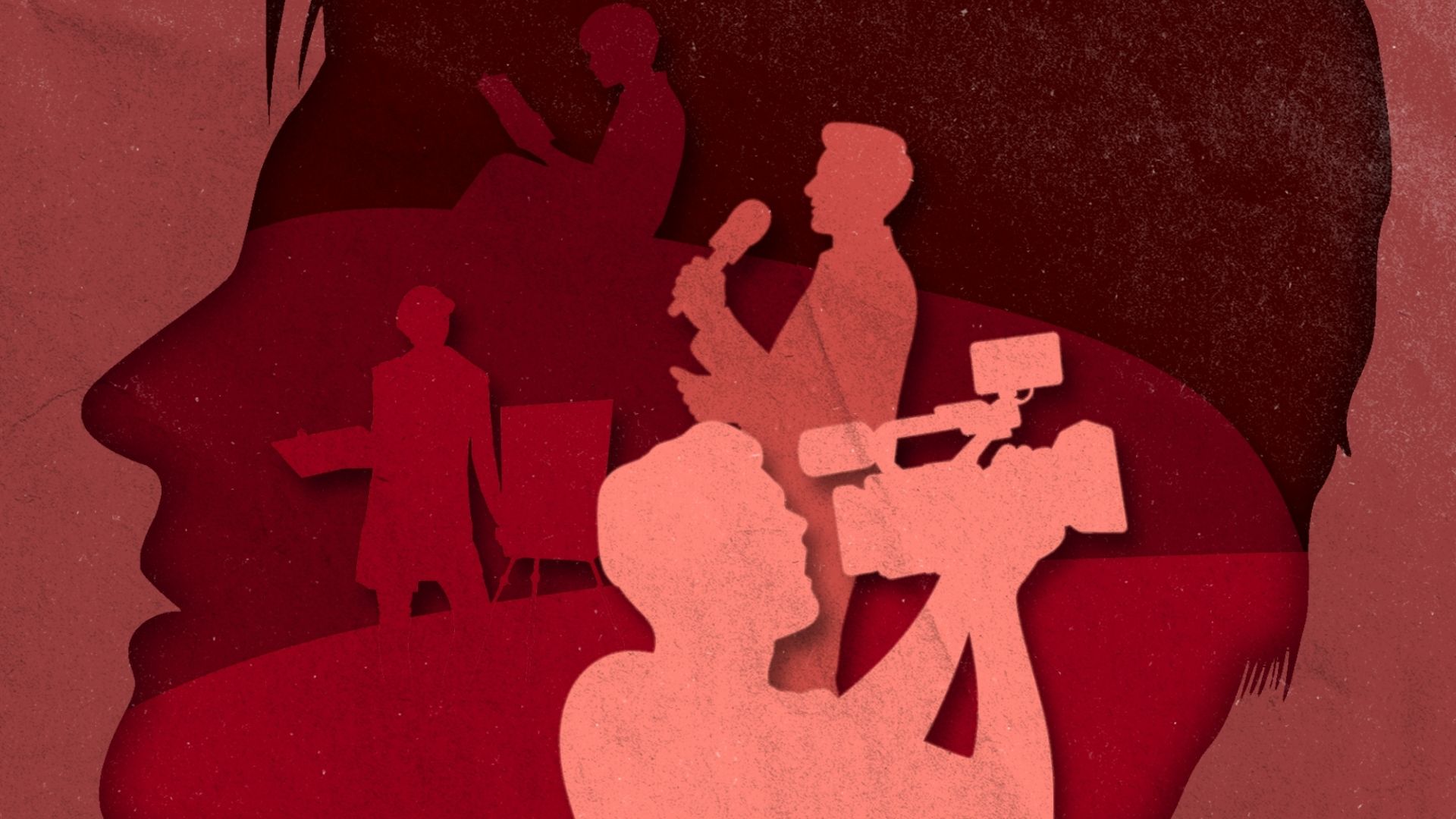
We rely on journalists to uncover corruption and hold the powerful accountable. We turn to historians whenever the past is distorted for political agendas. We read writers who express our socio-political frustrations. We watch films and theater that allow us to feel different lives and emotions. We marvel at paintings that preserve memory and stories that remind us what it means to be human. We celebrate and consume these works every day. Yet, strangely, we remain hesitant to extend the same respect to the disciplines and people behind those works. That, in itself, is hypocrisy.
Perhaps commencement stages reveal a truth that we have been refusing to acknowledge. When universities ask “What kind of Filipino should one become?”, “How does one live?”, or “What is true wealth?”, they cannot be answered exclusively by numbers and laboratories. These questions have always belonged to history, literature, communications, philosophy, journalism, and the arts. So they give the stage to the people of the humanities.
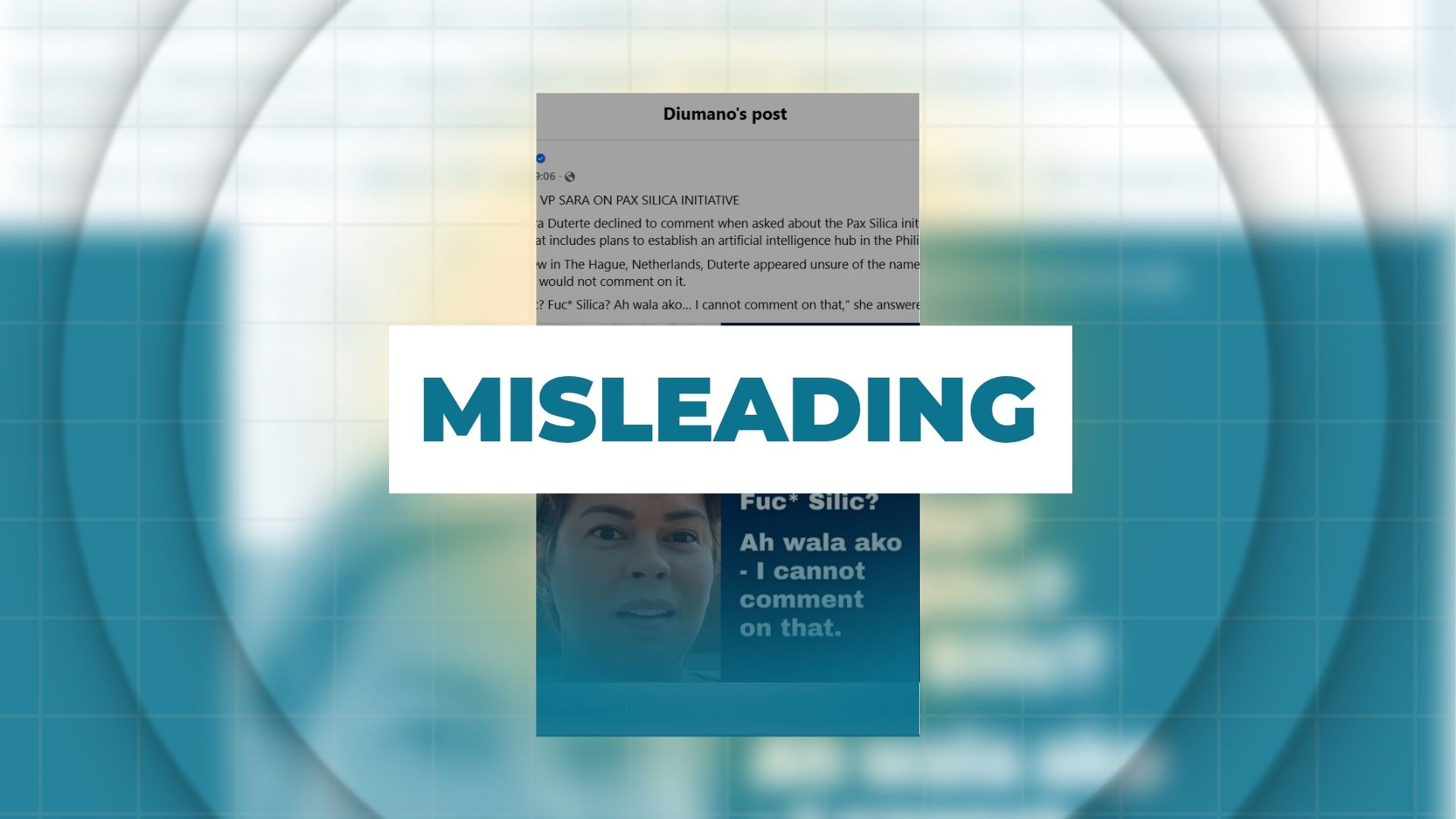
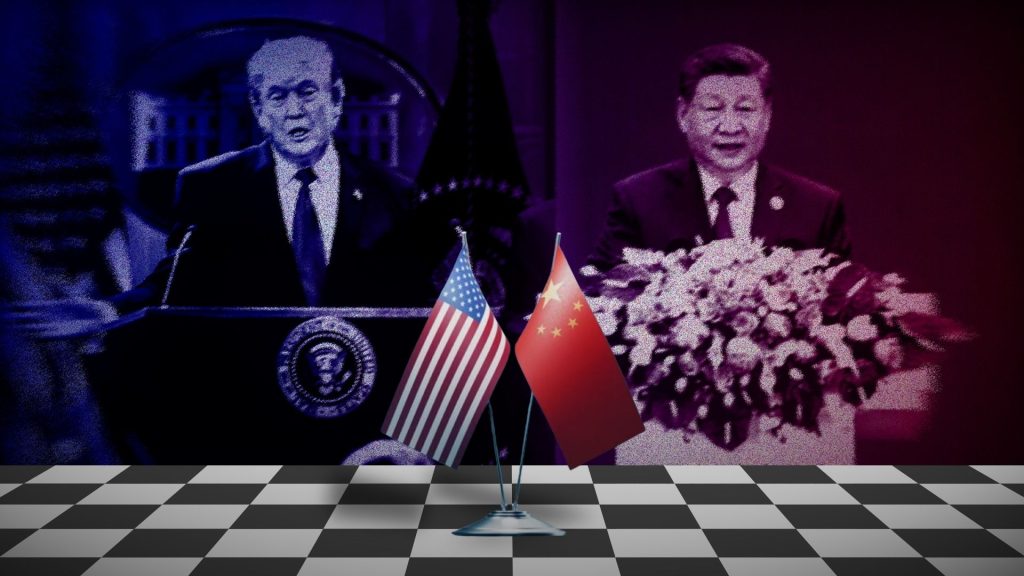
Beyond mockery, this is then the greater tragedy. When society is more than willing to underfund the humanities, they pay a different kind of price. Democracies gradually get weakened by disinformation, historical distortion becomes weaponized, and citizens become unable to distinguish political competence from clout. And one clear example of this is the spreading misbelief and confusion on the Pax Silica initiative that, when looked only through the lens of technology, is nothing more than artificial intelligence. This is where the humanities comes in, teaching us about its ethics, geopolitics, and especially its implication on local farmers. Without the foundation of critical education in the humanities, its real implication on ordinary Filipinos will remain overlooked.
And still, we continue to benefit from the very disciplines we dismiss. We celebrate their graduates while underestimating and underfunding their fields and discouraging the next generation from becoming them. We applaud them but keep telling the youth to choose something “more worthwhile.”
Perhaps it is time we stopped asking young Filipinos, “Anong trabaho mo diyan?”
Because amidst the pressing crises in the country, clearly, the last thing we need is any less of humanities—but even more of it.