







Now Reading: Childhood lessons archived
-
01
Childhood lessons archived


I was five when I first learned it was wrong to steal. I didn’t learn it from a law book or in a classroom. I learned it when I reached for candy in a sari-sari store and my Lola held my wrist gently and said, “A peso stolen is the same as a million.”
I didn’t understand the arithmetic at the time. What’s the difference between a peso and a million to a child who didn’t even have ten? But I understood the principle: stealing is stealing. No matter how small, no matter how convenient. Let small sins pass, and you teach people how to get away with bigger ones.
Which is exactly what the Senate did.
It’s hard to watch the Senate act like ethics can be “archived.” For a long time, I believed that the people in government—unlike me, a clumsy kid with scraped knees and a habit of telling small lies—were raised on firmer ground. That they had grown into adults who knew how to choose what was right, even when it was hard.
But growing up in this country teaches you otherwise. It teaches you that power doesn’t require integrity. That the higher the position, the looser the rules. And that those who claim to lead often have the weakest moral spine.
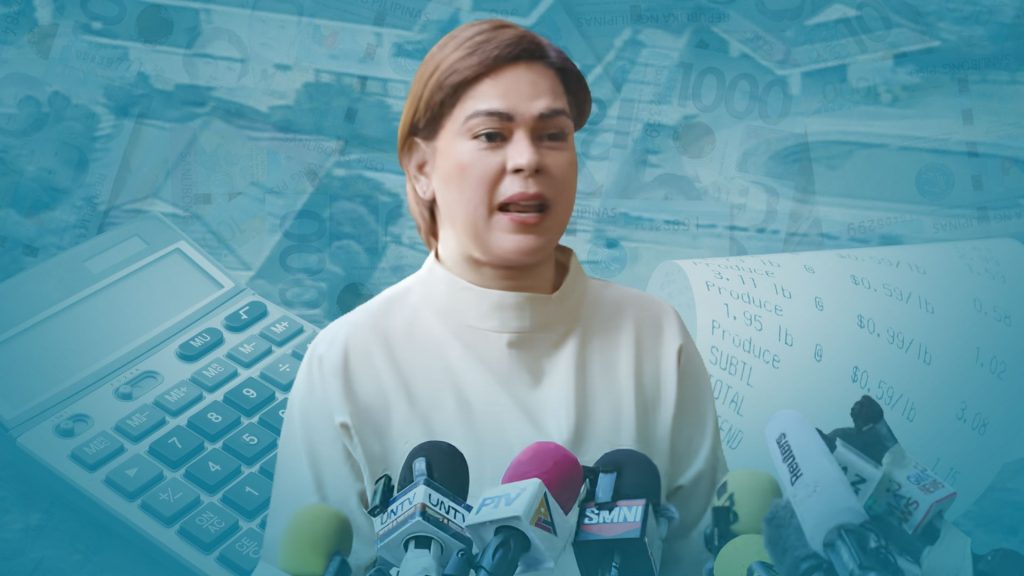
The Senate’s decision to archive the articles of impeachment against Vice President Sara Duterte is a slap to everyone who was ever taught not to take what isn’t theirs. What this decision made clear is that rules are for the powerless. You can hoard P612.5 million in confidential funds and still walk away untouched so long as enough senators stand in your defense. It signals, in no uncertain terms, that accountability in this country is conditional, dependent not on facts or law, but on political allegiance.
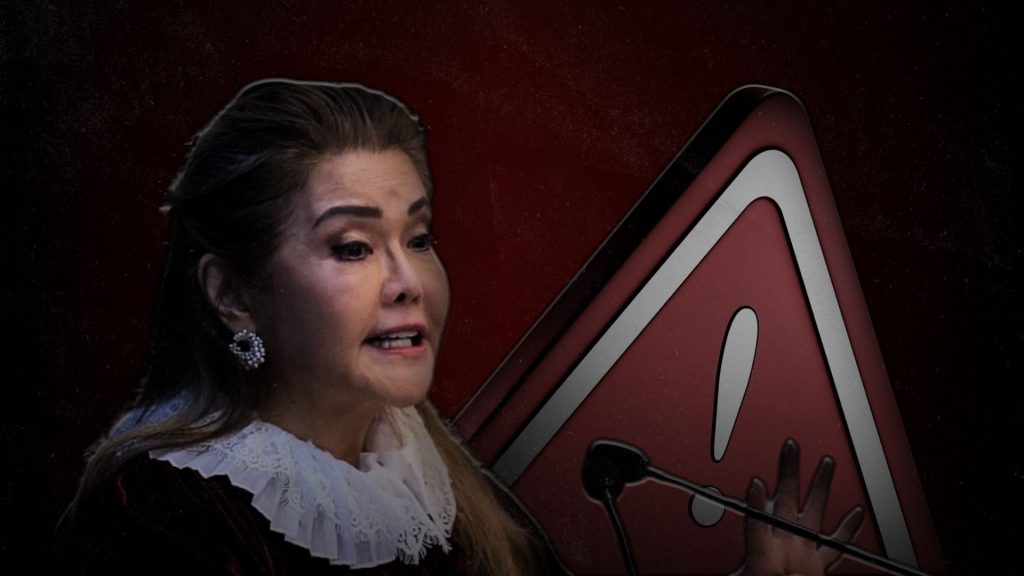
Although the Supreme Court ruled the Senate lacked jurisdiction, the House had already filed a motion for reconsideration. The decision wasn’t final. Still, the Senate moved to archive the case, rendering the impeachment process, in the words of Senate Minority Leader Tito Sotto, “dead” before it could even begin.
So, what are we supposed to tell children now? That stealing is wrong unless you’re the Vice President? Is accountability optional if your last name is Duterte? For all its speeches about integrity and nationalism, the majority of the Senate proved that they would rather protect privilege than fulfill their constitutional duty.
At its core, this is not a matter of procedure but a question of accountability. The P612.5 million in taxpayer funds has yet to be properly explained. Yet 19 senators found it easier to obey the shadows of political loyalty than to honor the public trust. Nineteen senators became accomplices not just in legal gymnastics, but in a national betrayal.
The outrage isn’t just from us, the public. Lawmakers from the House, like Akbayan Rep. Perci Cendaña, called the Senate’s move a surrender of independence and a betrayal of their constitutional mandate. “Today,” he said, “the Senate decided to become a Duterte Senate.”
And he’s right. Because you cannot claim to uphold justice while hiding from it. You cannot say you serve the people when you run from the chance to hold the powerful accountable.
In a country where justice has a VIP lane, it seems that being a Duterte is the best kind of immunity.
If a vice president cannot be subjected to impeachment hearings because senators are too afraid of political blowback, what is the point of having an impeachment process at all? If loyalty to a political family outweighs loyalty to the Constitution, then who does this government really serve?
I wonder how these senators sleep at night. I wonder what they tell their children about right and wrong. I wonder if any of them ever stood in a sari-sari store as a child, tempted by something small but off-limits, and had someone who loved them enough to stop them.
I still remember that day. I remember the candy I didn’t get to eat. I remember my Lola’s hand, warm around my wrist. I remember her voice: “A peso stolen is the same as a million.”
And I wonder, if a child could learn that at five years old, what’s the excuse of a senator?