










Now Reading: Communities are built when there is groundwork, not guesswork
-
01
Communities are built when there is groundwork, not guesswork

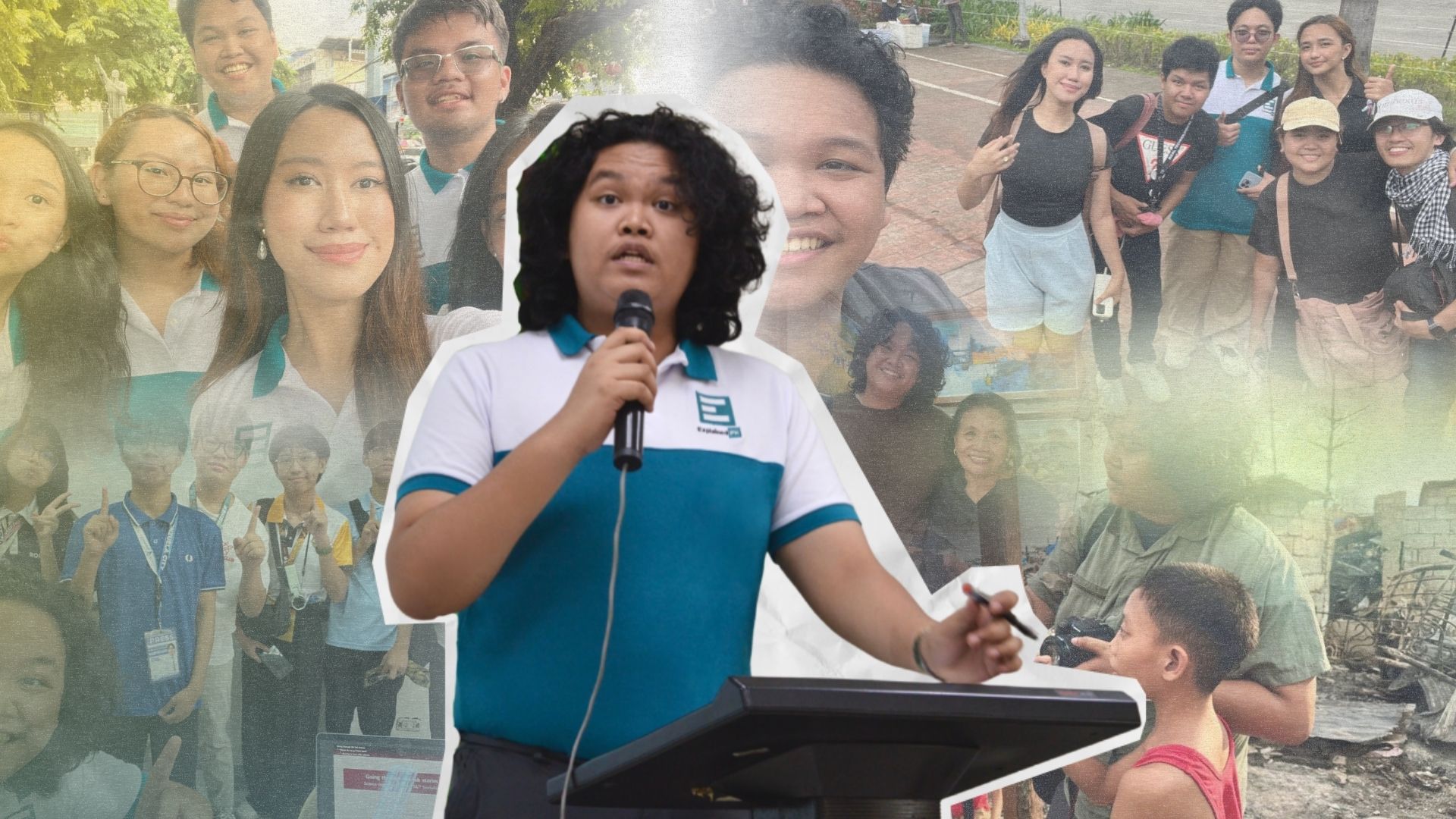
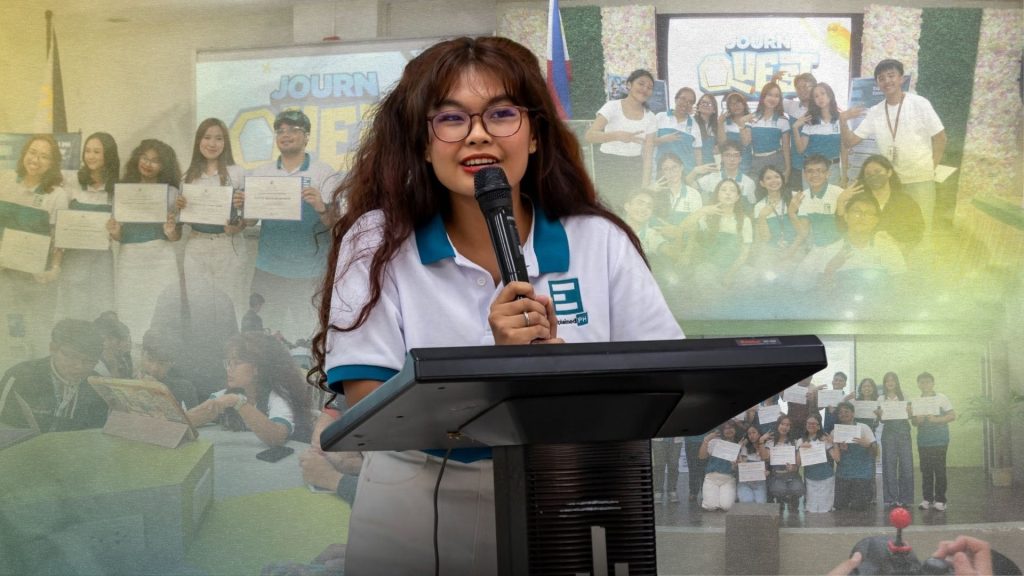
JournQuest is a test of how proactive, not reactive, a leader can be.
The reality of running a student newsroom in the Philippines offers absolutely no formulas. There would be no template as how we layout, no structure as how we write, and no pre-planned movements that would be perfect once we realize that we should be figuring things out.
Attempting to organize JournQuest and its first leg was not a controlled experiment. There are trying times when bureaucracy might be our greatest enemy; when internally, we just could not understand ourselves, and times when I myself was completely lost.
I have questioned my own capacity to lead. Juggling these rolling problems alongside the unrelenting academic pressure of being a student left me feeling stretched. The exhaustion was a heavy cross to bear, a palpable weight that I cannot bear on my own.
But leadership cannot come from a place of rigid, bureaucratic control, with the unrelenting passion to get there. Getting there, but not being there is very different; one allows you to reach the goal, but the other wants you to feel it. Ultimately, communities are built when there is groundwork, not guesswork.
The primary contradiction that I faced was that brute-forcing my way through the problems was not helping it; it was suffocating the very people I was supposed to lead. The system was cracking under the weight of my own bureaucratic centralism.
JournQuest, although much secular, allowed me time for discernment. My biggest lesson was a humbling surrender to the Ignatian principle of cura personalis: a genuine, holistic care for the individual person, which, in practice, mirrors the truest essence of our collective goals. I realized that human systems under stress do not operate like predictable scientific outcomes.
True leadership is not about carrying the entire burden to prove your own individual excellence.
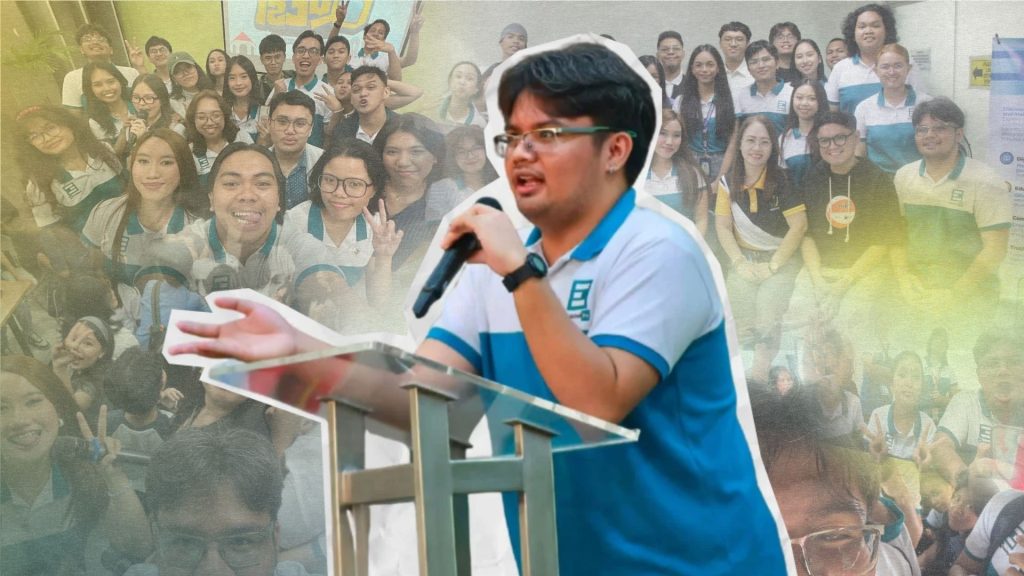
When I finally dismantled my own rigid need for control and leaned on my fellow Manila Bureau staff on the ground, I saw our community step into the light.
I learned that an effective leader does not need to stand above the group as the loudest voice or the sole problem-solver; they must step down, walk alongside the collective, and be the anchor that empowers them to navigate the storm together.
This brings me to the defining “so what” of this entire arduous journey.
For far too long, the Campus Journalism (CJ) community has glorified a culture of martyrdom and exploitation. We treat burnout, skipped meals, and endless, debilitating stress as the necessary price of admission for a successful event or a groundbreaking story. We have romanticized our own exploitation.
My deepest hope for the Manila Bureau, and the broader CJ landscape is that we resolutely dismantle this narrative. We must pursue the magis, the greater good, not by breaking ourselves and sacrificing our well-being, but by forging an environment rooted in empathy, mutual respect, and fierce solidarity.
We must initiate change within our own newsrooms. We must care for the journalists just as fiercely as we care for the journalism. I want our bureau to be a space where student journalists in the metro are nurtured as human beings first, and writers second.
Looking back, the trying times of JournQuest in Valenzuela was exactly the crucible I needed. It challenged me to be contemplative in action, finding purpose and clarity.
We survived the friction, but moving forward, the true victory of our bureau will not be measured by the execution of top-down directives, but by the resilient, compassionate collective we leave behind when those plans inevitably fall apart.