


Now Reading: Filipino Drag came, saw, and slayed the stigma away
-
01
Filipino Drag came, saw, and slayed the stigma away

Elijah Costes
Drag itself is an emerging art form and a tool for self-expression for the queer community today. But how significant has drag really been to the Filipino queer community?
It came
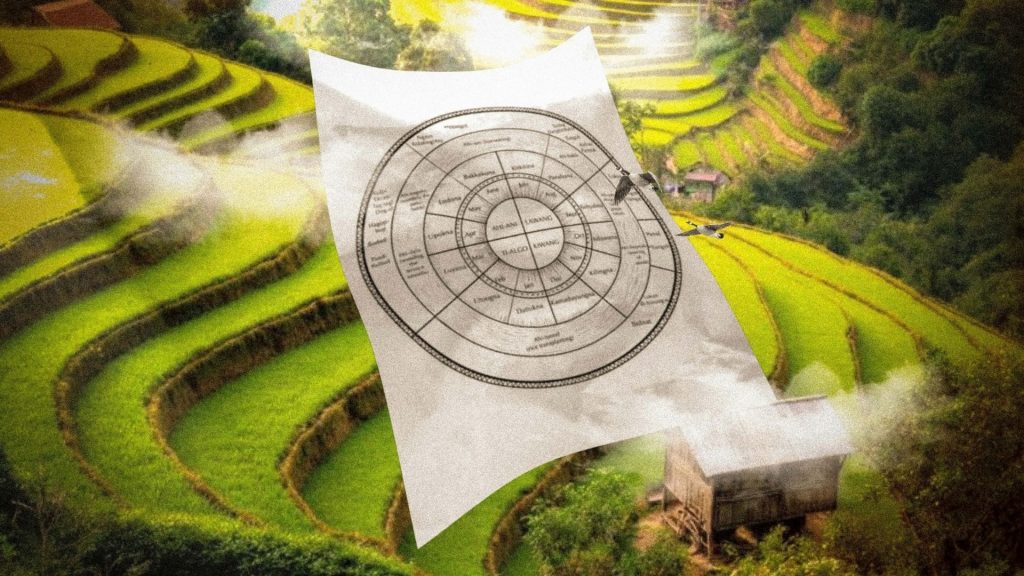
Drag was found earliest during the pre-colonial era.
Babaylans emerged as figures who were believed to be transgender males, believing that femininity led them closer to the spirit world.
During the Spanish colonial period, membership-only clubs emerged where members dressed up in drag.
This was highly forbidden by the colonizers who brought Roman Catholicism, punishing homosexual acts through drowning and burning people alive.
This actively illustrates that even then, queer people were openly repressed and disregarded as members of society. Additionally, following the end of World War II, gay beauty pageants emerged.
This introduced the idea of showcasing femininity and queer identity through fashion. Despite the rise of masculinity, where men were shaped by immense pressure and survival instincts during the said war, queerness continued to bloom and find its way to represent itself amidst the time of warfare.
Yet during Martial Law, queer representation was not abolished by tanks and guns.
The Paper Dolls emerged as a group of queer people who impersonated celebrities as a form of entertainment for audiences.
Regardless of the ongoing political conflicts that affected the whole country at that time, the Paper Dolls continued to be dressed in feminine clothing and wigs to entertain the longing for queer representation during that period. It was also said that their influence on the drag community gave birth to one of the most foundational aspects of drag in the country — impersonation.
It saw
Years later, films from Vice Ganda and Paolo Ballesteros paved the way for queer representation in the industry. These works quietly showed that queer culture was slowly being recognized by modern Filipinos.
Praybeyt Benjamin introduced Filipino audiences to the idea that gay awakenings can start from childhood, and that even soldiers in pink and makeup can save lives just as much as masculine men can. Meanwhile, Call Me Mother broke through the stereotypes that queer people cannot raise children, whereas queer couples as parents were never entirely new concepts to the local audience. Simply put, it was a concept not aligned with conservative values and cultural expectations, causing people to ignore its existence.
Ballesteros was also one of the figures who shed light on the increasing appearances of drag culture in the media. With Die Beautiful being one of his greatest works, it allowed Filipinos to realize the realities of being queer.
Even then, like the lines from the movie, “… if given a chance to live again… I will choose to be nobody, nobody but me.” If queer people were to be born again, the majority would still choose to be themselves — nobody but themselves.
Another notable contribution was the rise of the 3 Lolas in ‘Kalyeserye,’ a segment from the noontime show Eat Bulaga. It showed that despite conservatism in Filipino media, queerness still has a place to conquer.
Drag as an art form has, over the years, been recognized locally by Filipinos. Media that presented drag as a major means of expression and visualization paved the way for the queer community to develop more confidence in expressing their identity.
Slowly, through the support of this content, drag saw major changes in the Philippines. We now frequently see openly feminine gay people embracing their identity and children who were once closeted but now are free to express what their hearts truly are: a rainbow that does not need to be locked away in repression.
It slayed
Currently, drag has become one of the most influential aspects of the Filipino queer community. As drag gains global recognition, our own beau-con queens not only reach the Ms. Gay stage, but also conquer international platforms and gain recognition worldwide.
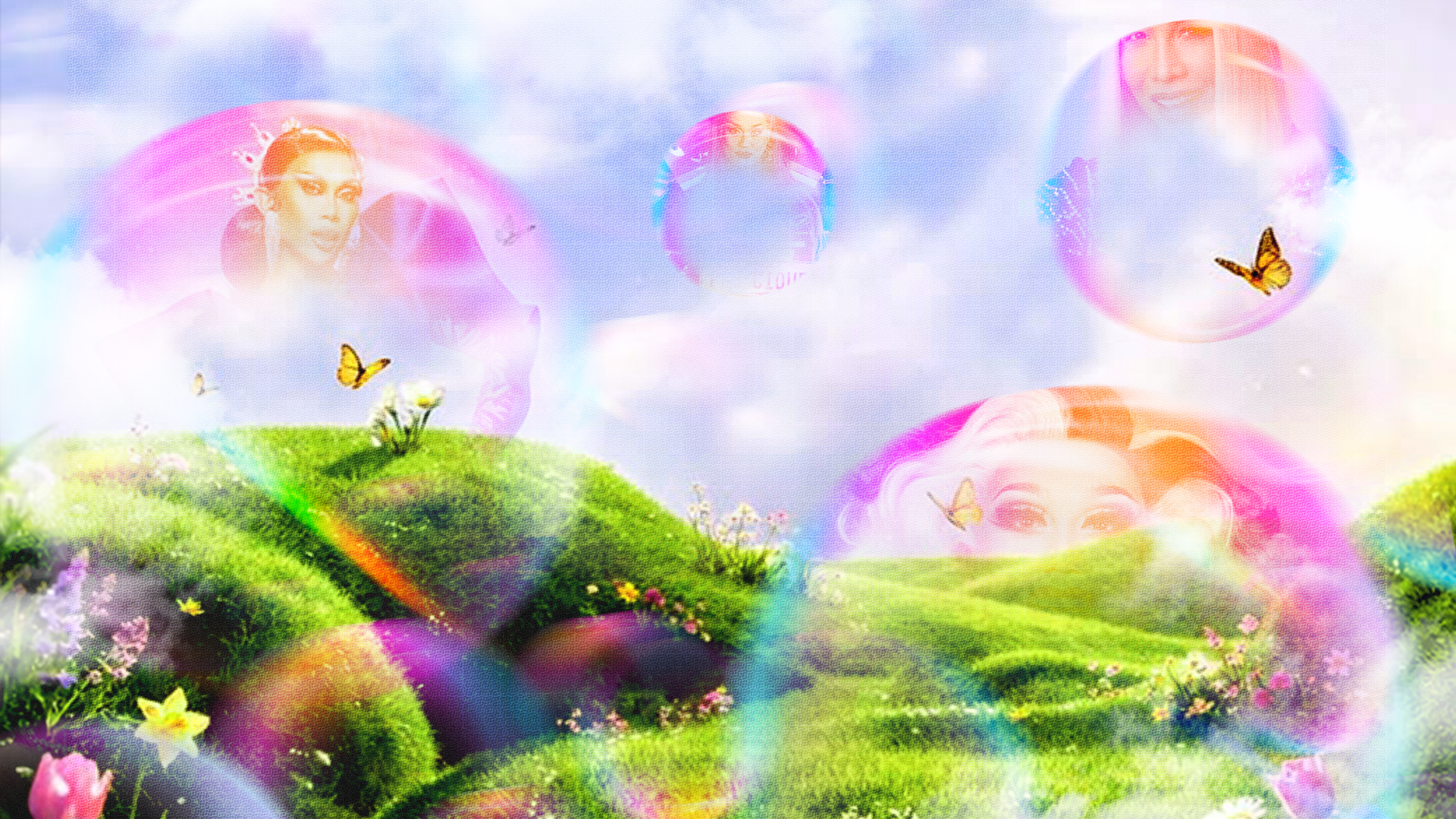
Manila Luzon, although born in the United States, ignited the flames for Filipino drag to be recognized as she became the runner-up of RuPaul’s Drag Race Season 3 in the United States. Her being the first Filipina to step on that stage and even win as a runner-up was a silent but monumental breakthrough for Filipino drag.
Following her, Jiggly Caliente conquered Season 4 of the show. Despite not placing in the finale, she returned to the competition and competed again in the All Stars Season 6. Her contributions to the drag community allowed international audiences to recognize Filipino resilience — that even in failure, Filipinos remain strong and leave a mark in everyone’s hearts.
After these queens, Marina Summers, Minty Fresh, and M1ss Jade So continued the flame they ignited. All three have represented Philippine drag internationally, with M1ss Jade currently being the contender set to represent the Philippines in the upcoming RuPaul’s Drag Race: Down Under vs. The World.
Their significance to the community is not just a surface-level extravaganza. It also sheds light on how Filipino youth can embrace their queer roots and not be afraid of showing their identities through fashion and impersonation. These gays are not just queer figures locally — they are internationally recognized representatives of Philippine culture and traditions, showcasing them to the world.
Despite the achievements of Filipino drag queens locally and internationally, conservatives still continue to disregard the efforts of these stunning queens. Still, drag will never leave the minds of Filipino queers.
Drag is a continuously evolving art form in the Philippines. As it is dismissed, it will continue to bloom unharmed. It has been proven that even through war, political conflicts, and technological advancements, drag will always exist in the Philippines.
It will be found not only in the Ms. Gay stages but also in the slums and in every corner of the kalye.
Conservatives may disregard the roads that drag has faced in the country. But in truth, with every queer child dressing up using blankets found in their homes, powder on their faces bought from Aling Bebang, and lipstick from bubble gum stains, drag will always come back — even brighter than before.
After all, drag is a dynamic art form that can never be stripped away from the Philippines.