








Now Reading: Gen Z wears ukay
-
01
Gen Z wears ukay

Anthea Florence Portacio
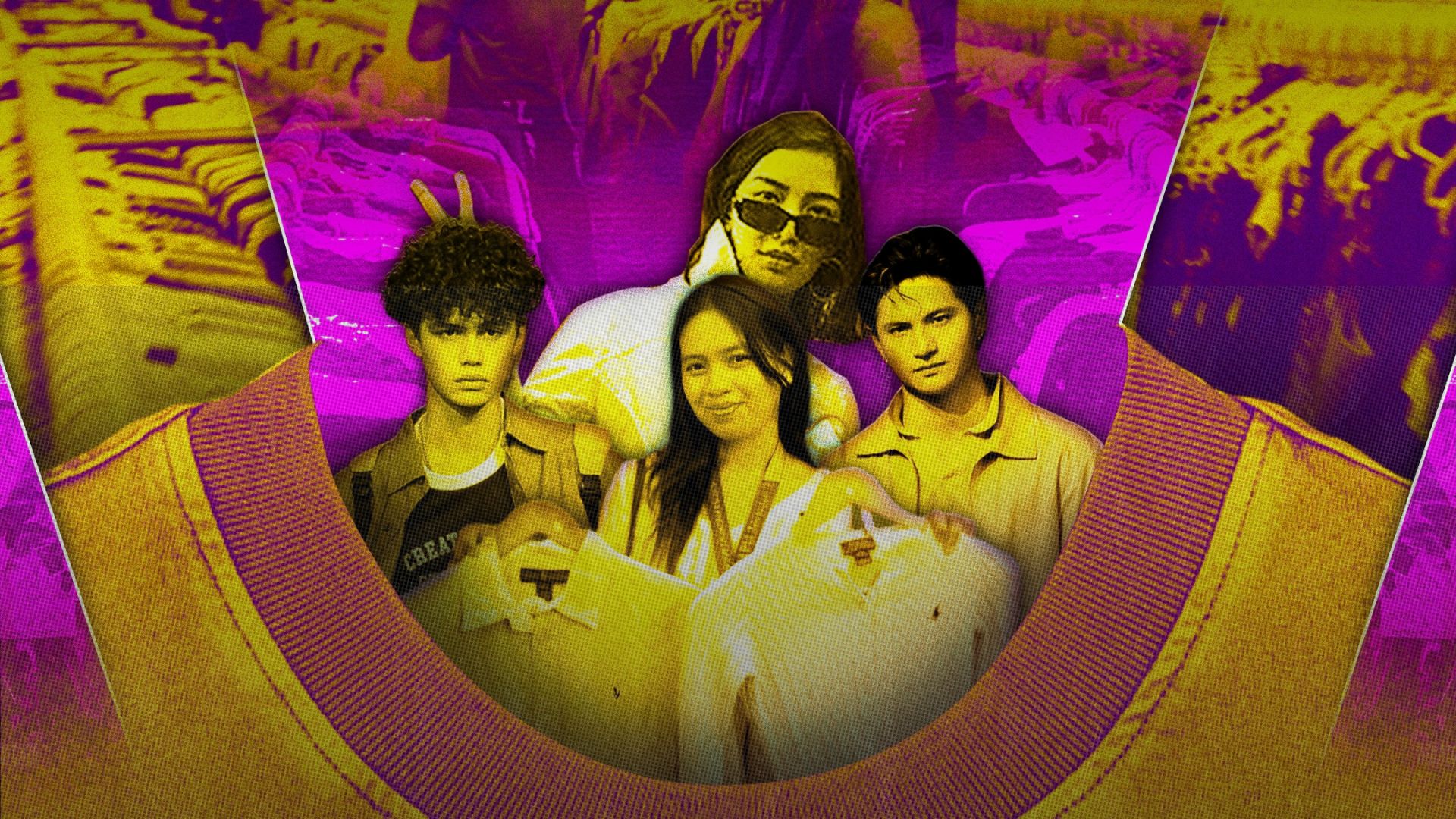
Mine, steal, and lock. These three words have become ingrained in the vocabulary of Filipino thrift culture. From the traditional cramped stalls, ukay has found its way online—joining the digital spectacle of thrift hauls, ₱100 ukay challenge, and Pinterest-worthy ukay outfits.
To many, ukay means sustainability, individuality, and expression. Yet, beneath the thrifting craze lies a more uncomfortable reality: for many young Filipinos, beyond the spectacles, ukay-ukay is a necessity rather than a choice.
Perhaps, part of ukay’s huge charm is its promise of individuality. Unlike fast fashion stores where you walk out with people wearing similar pieces, ukay-ukay allows unique pieces across various genres–from fairycore, y2k, to grunge. Thus, amidst mass-produced fashion, ukay stands its ground with the rarity it offers.
And for sure, all ukay experts know the infamous joke. Before wearing something from the ukay, we must “cleanse” it first–before our shoulders weigh from the spirit of its previous owner/s.
But maybe, we are worrying about the wrong ghosts.
Traditionally, ukay-ukay has long been associated with financial hardship. When one has limited means, they resort to ukay stalls. Now, with digital popular discourse, ukay culture is celebrated for its sustainability, personal expression, and individuality. What was once clothing for those with limited means is now reframed as an intentional and aesthetic purchase.
However, social media shows only the story of Filipinos who have a choice. Social media largely captures those who choose ukay-ukay as a lifestyle. It rarely represents those for whom it is the only viable option to stay clothed within budget.
For many, affordability is still the main factor for purchasing ukay-ukay. In fact, a study on ukay-ukay patronage in Davao City found that limited monthly income (estimating below ₱10,000) and student status remain the primary reasons consumers purchase secondhand clothing. While durability, wide array of choices, and accessibility to branded products at a low cost are also factors, affordability remains the primary reason. This means that while thrift culture is often romanticized online, its growth is still deeply rooted in economics.
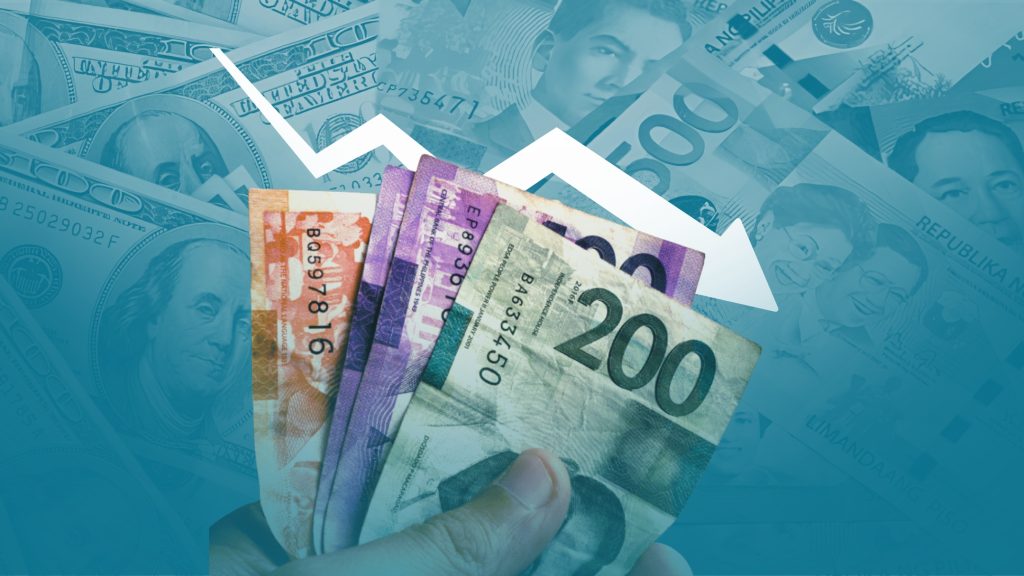
This finding comes not as an unexpected surprise—especially for Filipinos on or near the poverty line, living through today’s economic conditions. The country’s inflation, even when it “eases”, still stands at a whopping 6.8%. It does not politely reverse the eroded purchasing power of millions of Filipinos while the cost of daily necessities rises. Reality check, for many students and young workers stretching their pockets to make ends meet, life is apparently not only about fashion but about transport fares, rent, and food costs.
However, with the popularity of ukay also comes the surge of Instagram stores that sell thrifted clothes at two or even three times their original price with the “mine, steal, and lock” online selling culture. Here is the stark irony: the market that was traditionally built for its affordability is increasingly catering to consumers who can afford to treat thrifting as an aesthetic. Meanwhile, those who rely on it as a necessity get priced out of what are now spaces that are too expensive for their meager income.
More unsettling than the romanticization of ukay is how we have normalized making content out of scarcity—with ₱100 haul becoming trendy and purchases made out of necessity being collaged into aesthetic mood boards.
Still, the patronization of ukay culture is aligned with the growing movement of sustainability. The production of fast fashion items (which appears low-cost and trendy) are accompanied by 10% of total global carbon emissions, drying up of water resources, and polluting rivers and streams, while 85% of all textiles go to dumps each year. Additionally, even washing clothes releases 500,000 tons of microfibers into the ocean each year, which equates to 50 billion plastic bottles. Thrifted clothes, meanwhile, circulate clothes and reduce waste. This environmental awareness is becoming increasingly visible among Filipinos and promoted in the digital media.
Furthermore, the thriving thrift culture has provided opportunities for Filipinos’ livelihood. As digital and social media make selling online more accessible, live selling, reselling, and even upcycling thrifted clothes have provided income sources for thousands of small vendors and sellers. This demonstrates how informal enterprise can create opportunities where formal employment may fall short. Comprising over 99 percent of all businesses, generating nearly two-thirds of the country’s employment, and contributing up to 40% of the GDP, micro, small, and medium enterprises (MSMEs) remain the lifeblood of the Philippine economy and its growth.
To be fair, Gen Z has also reclaimed and transformed the ukay fashion. Fairycore, grunge, coquette, y2k, and esoteric fits, among others, have thrived despite and because of limited resources. It is an evident reminder of Filipinos’ creativity and resourcefulness.
But we should be more careful in romanticizing this innovation. This does not mean we can ignore the socioeconomic conditions behind the ukay culture. Environmental consciousness alone cannot explain why ukay-ukay has been celebrated by Filipinos. Affordability remains the main motivation behind such purchases. The ukay-ukay culture once again reveals the same kind of resilience expected from Filipinos—to be fashionable within their means and to adjust rather than complain. Thus, beyond celebration, we should also discuss wages, purchasing power, and the economics behind Filipino’s choices even in fashion.
By confronting these conditions, we question the kind of economy that continuously demands us to dress and make something out of scarcity.
As the saying goes, ghosts that haunt thrifted clothes should not be the ones we should have feared. They should be the living people, especially those seated in powerful positions and are responsible for our country’s old economic problems that continue to haunt our fashion decisions.
For now, this remains the reality: Gen Z does not dress outside fashion–they dress around inflation.