





Now Reading: How Gasolina encapsulates the sacrifices fathers make every day
-
01
How Gasolina encapsulates the sacrifices fathers make every day

Soraine Noel
The motor’s engine revs to life even if the road ahead may be long and unforgiving.
A father continues to start his day before the sun comes shining, adjusting his helmet, gripping the handlebars, and enduring the shift between scorching heat and pouring rain — to move forward not only for himself but also for his child. And for many Filipino fathers, this scene is far from fiction; it is their own reality.
A story every Filipino knows
Every single day, they set out on journeys of their own — not always on motorcycles, but through long hours of work, financial struggles, and personal sacrifices made for the people waiting for them at home. A father’s love is rarely loud, because they do not always express it through grand gestures or heartfelt speeches. Instead, they show it through action.
In the calluses that roughen their hands after years of labor while ours remain soft and untouched by the same burden.
In the wrinkles etched across their foreheads from countless worries, as they count their hard-earned money over and over again, hoping it will somehow be enough to make ends meet.
In the medicine left untaken and the illnesses left unattended because there are more urgent expenses to prioritize than their own well-being.
In the meals they skip, the comforts they give, and the dreams they quietly set aside so their children can pursue their own.
And in the quiet determination that pushes them to keep going despite life’s challenges, carrying not only themselves but the hope and dreams of their families along the way.
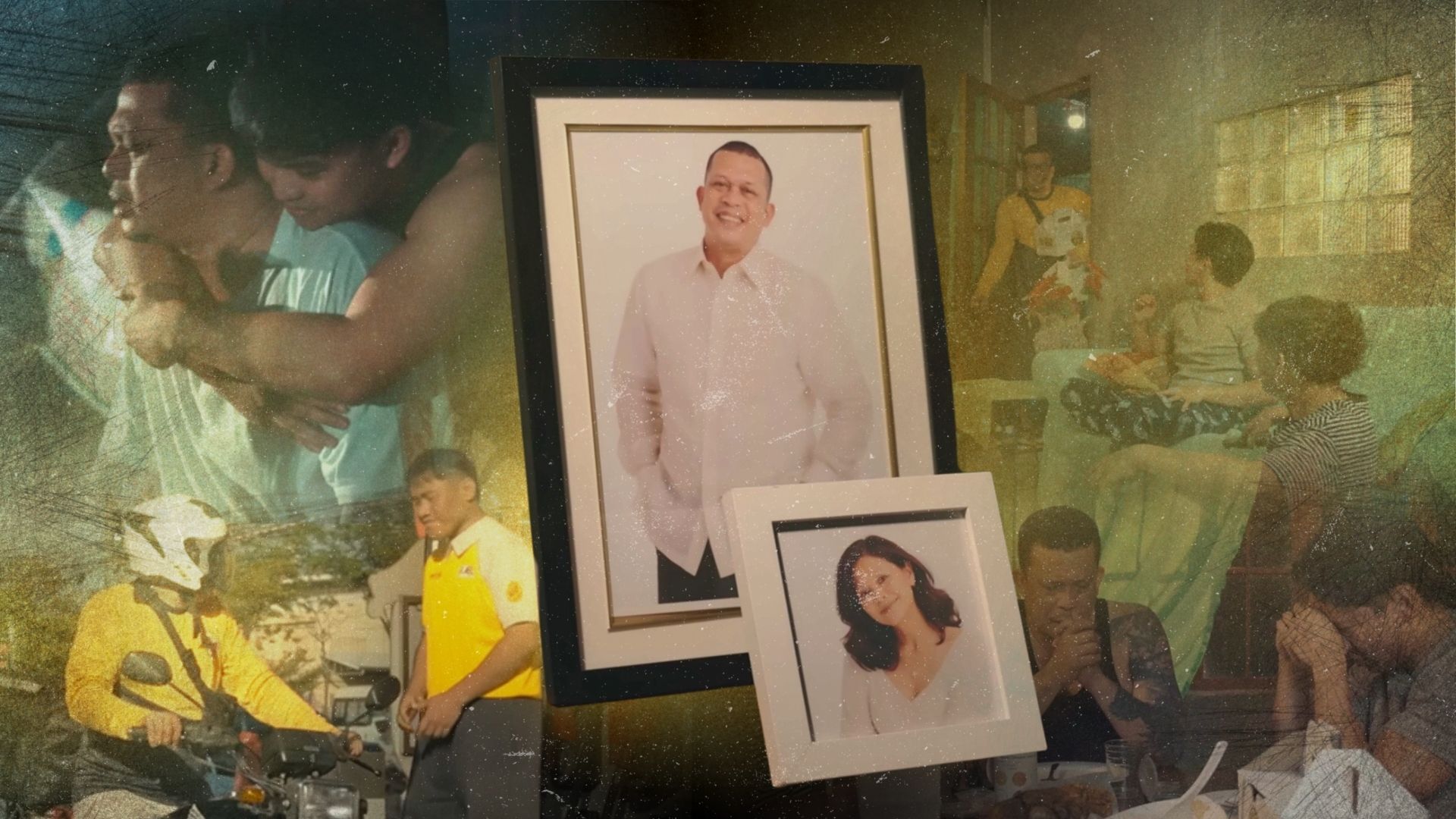
This quiet perseverance lies at the heart of Gasolina, a Holy Week short film directed by Cebuano content creator Joseph Sabello. Through its portrayal of an ordinary father navigating the responsibilities of family life, the short film explores themes of sacrifice, endurance, and unconditional love.
More than a simple family drama, the movie goes deep into the heart and serves as a timely reminder of the silent burdens many fathers carry, making its message especially meaningful this Father’s Day.
Released during the 2026 Holy Week season, the short film quickly resonated with audiences across the country. Its emotional portrayal of a struggling widowed, sick single father working as a delivery rider to provide for his three sons amid rising fuel and commodity prices struck a chord with many Filipino viewers who saw reflections of their own families in the story.
Reflections in a familiar mirror
One of Gasolina’s greatest strengths lies in its realism.
The film does not rely on extravagant plot twists, over-the-top drama, or larger-than-life heroes. Instead, it shows the reality countless Filipino families experience every day: a parent doing everything they can to provide for their children despite numerous circumstances stacked against them.
At the center of the story is a widowed father who shoulders the responsibility of raising three sons on his own after the death of his wife. He works tirelessly as a delivery rider, enduring physical exhaustion and financial hardship to ensure that his children have food on the table and a roof over their heads.
The father is not portrayed as perfect. He gets tired, struggles, worries, and makes difficult decisions. However, these flaws are precisely what make him feel real.
He is not a superhero, but he is someone’s father.
Perhaps that is why the film resonates so deeply. Viewers do not simply watch a character on screen as they see their fathers, grandfathers, uncles, and breadwinners reflected in him.
Running on a near empty tank
The title Gasolina refers to more than just the fuel that powers a motorcycle, but about a father running on empty.
Throughout the film, the audience watches the father continue his daily routine despite the burdens weighing him down. The rising fuel prices make every trip more difficult as financial struggles force him to stretch every peso, while his illness slowly weakens his body.
However, he chooses to continue despite the ache his body is letting him feel. This is where the film made everyone see how fathers are often masters at hiding their pain, not because they wish to deceive their families, but because they love them.
They smile despite exhaustion, insist that everything is fine even when it is not, and shoulder burdens in silence so their children can sleep peacefully at night.
The father in Gasolina embodies this reality. While his sons remain unaware of the true extent of his condition, he quietly carries the weight of his illness alone. Even as his body weakens, his concern remains fixed on his children and their future.
The film never asks viewers to admire him for being strong, but asking the viewers to understand why he chooses to be strong.
Letters written between goodbyes
The film’s emotional climax does not come from grand speeches or dramatic confrontations, but it comes through letters.
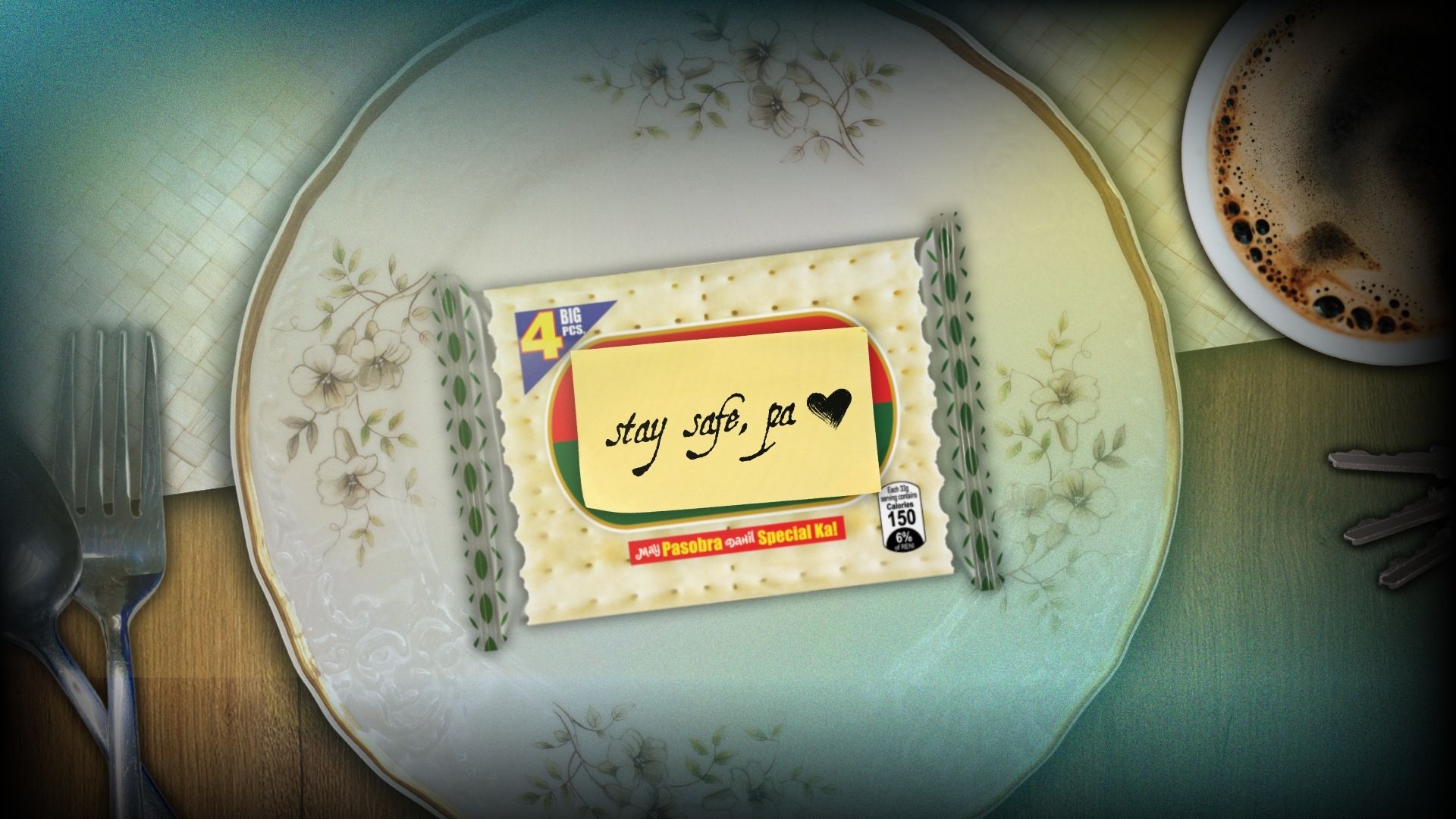
Knowing that his time is running out, the father writes a letter for each of his three sons. Even as death approaches, his thoughts remain fixed not on himself, but on the children he will leave behind.
For Macmac, the eldest son who has yet to find direction in life, the letter contains neither anger nor disappointment.
Many parents would have every reason to focus on their child’s shortcomings. But even in his final moments, the father chooses understanding over resentment. Instead of dwelling on who Macmac is, he focuses on who Macmac can still become, because a father’s love sees potential where others only see failure.
For Dodong, the youngest, he pens an apology that no parent ever wants to make. He apologizes for not being there anymore — not for failing to love him and for failing to provide, but for failing to stay. Even while preparing for his departure, he fulfills his promise with the simple act of giving a pair of shoes Dodong wanted for graduation.
Then there is Jepoy, the son who noticed, saw through the forced smiles and reassuring words, and understood that behind the mask of being tough was a father slowly breaking apart. Unlike his brothers, he had already begun carrying a portion of the burden. He saw the sacrifices, exhaustion, and the pain his father tried so hard to hide.
Maybe that is why the unfinished letter addressed to him hurts the most, because the father managed to write only three words: “Salamat kaayo sa…” (Thank you for…)
Loss rarely arrives with perfect closure. Sometimes, the people we love leave before they finish what they wanted to say, before they finish the stories they wanted to tell, and before we get the chance to hear everything they wanted us to know.
The grief never truly disappears, but we simply learn how to carry it.
The real fuel that keeps families going
At first glance, gasoline appears to be the film’s central symbol. Without it, the motorcycle cannot run, the father cannot work, and the family cannot survive.
But as the story unfolds, viewers realize that the true fuel of the family was never the gasoline inside the motorcycle’s tank, but the father himself — his sacrifices, his perseverance, and his unconditional love evident and felt in every kilometer traveled, delivery completed, ache ignored, and dream postponed.
Like fuel, the father gave everything he had until there was nothing left.
Gasolina is not merely a story about a father, but it is a story about our fathers.
The fathers who insist they are not tired when exhaustion is written across their faces; who say they have already eaten so their children can have the larger portion; who dismiss their own illnesses because there are bills to pay and responsibilities to fulfill; and who continue carrying burdens that their families may never fully see.
Some readers may see themselves in Macmac, the ones still searching for direction in life. The film is a reminder not to waste the opportunities and sacrifices that have been made to pave the path towards something purposeful. The future your parents dreamt of for you is still waiting to be built.
Others may see themselves in Jepoy, the child who knows and silently worries when everyone else believes everything is fine.
And some may resonate with Dodong, the people whose laughter brightens difficult days and whose joy reminds a weary parent why they continue fighting despite exhaustion.
Regardless of which son you identify with, Gasolina reminds us of one thing: love is often expressed through sacrifice. And parents have a remarkable way of loving their children long before those children fully understand the cost of that love.
For every mile travelled in love
The road ahead may be long, the weather may be uncertain, and the burden may be heavy. However, the motorcycle’s engine still revs to life every single day. And the fuel to that engine to start and keep going is a father’s unconditional and unwavering love.
No matter how long, exhausting, and difficult the road may be, fathers continue to endure whatever twists and turns they encounter. Not because the journey is easy, but because someone is waiting for them at home.
This Father’s Day, Gasolina stands as a tribute to the fathers who brave the scorching heat and endure the thunderous downpour of rain, whose hands bear the marks of years of labor, and who continue giving even when they have little left for themselves. It is also for the fathers who are no longer here, but whose love continues to guide us long after they are gone.
Happy Father’s Day.
Thank you for every sacrifice we saw.
Maraming salamat sa bawat sakripisyong nakita namin.
Daghang salamat sa matag sakripisyo nga among nakita.
And especially for the ones we didn’t.
At higit sa lahat, maraming salamat sa mga sakripisyong hindi namin nakita.
Ug labi na sa tanan, daghang salamat sa mga sakripisyo nga wala namo makita.