









Now Reading: Fatherhood runs past the calendar
-
01
Fatherhood runs past the calendar


Eugien Antonette Mata
Father’s Day often arrives in familiar forms: greetings, gratitude posts, and quiet recognition of fathers who carry families through work, absence, and responsibility. The celebration focuses on appreciation, yet the conditions that define early fatherhood in the Philippines remain largely unchanged — especially in the first days after childbirth, when presence is most needed but most limited.
In the Philippines, fathers are granted seven days of paternity leave under the Republic Act No. 8187. The law allows married fathers to be present during childbirth and the early days of adjustment at home. Mothers, under the Republic Act No. 11210, are entitled to 105 days of maternity leave, reflecting the medically recognized demands of postpartum recovery.
What does a week of fatherhood mean when early parenthood itself operates on cycles that extend far beyond seven days?
A week of paternity leave does not sufficiently support the early recovery of the mother, the developmental needs of a child, and the shared caregiving responsibilities fathers are expected to fulfill within modern Filipino families.
Seven days does not correspond to the medical and practical realities of postpartum recovery and newborn care. The World Health Organization identifies the first 24 to 48 hours after birth as critical for postnatal care and emphasizes continued monitoring throughout the first six weeks. This period corresponds to maternal physical recovery and newborn stabilization. Infants feed every two to three hours, producing eight to twelve feeding cycles per day. These conditions create a care environment defined by repetition and exhaustion. The mother is simultaneously recovering and providing constant care; as the newborn requires uninterrupted attention across short intervals, including nighttime. A seven-day leave overlaps only with the earliest and most unstable phase of this cycle. The most demanding period continues long after paternal leave ends, leaving a gap between medical need and available support.
The limitations of this policy also reflect broader assumptions about care work within households. Long before a child learns who provides for the family, they learn who is present. Yet many Filipino households continue to carry inherited expectations about care itself. Household management, such as feeding, cleaning, childcare, medical coordination, and maintaining emotional stability in the household, is still treated as a natural responsibility expected of motherhood rather than labor that requires time, energy, and institutional support.
These expectations also shape public policy. Existing leave structures continue to frame fathers primarily as providers whose role is to return to work as quickly as possible, while caregiving remains treated as an extension to motherhood. Although more Filipino fathers are taking active roles in raising their children, labor policies have struggled to keep pace with these changing realities.
Shared caregiving during the postpartum period directly affects maternal recovery and household stability Many Filipino families know this routine well. A mother recovering from childbirth wakes every few hours to feed an infant while still healing physically. Beside her, a father spends his final days of leave preparing to return to work, aware that the nights ahead will continue without him at home. This child will not suddenly sleep through the night because the seventh day has passed. Perinatal health research links shared caregiving to improved maternal sleep quality, lower risk of postpartum depression, and better breastfeeding outcomes. Fathers contribute through nighttime care, household management, emotional support, and daily logistical responsibilities that reduce the physical and emotional strain placed on mothers during recovery.
The significance of this support extends beyond the immediate postpartum period because care work itself is long-term and continuous. Recovery does not recognize the calendar, and neither does parenthood. Parenting does not end after infancy or the first developmental stages of a child. Families require sustained labor involving emotional support, educational involvement, financial coordination, healthcare management, and household maintenance over many years. Limiting paternal participation during early parenthood reinforces the expectation that caregiving remains primarily maternal labor even beyond medical recovery periods.
Philippine Statistics Authority data show that many Filipino households depend on both parents for economic and domestic responsibilities. Fathers increasingly function not only as providers but also as co-caregivers, depending on the structure and needs of the household. However, the current leave policy still reflects an older model of parenthood where caregiving participation from fathers is treated as temporary and secondary.
The policy framework also excludes any forms of parenthood that fall outside traditional assumptions about family structure. Single fathers, separated parents, annulled couples, adoptive parents, and other caregivers often navigate caregiving responsibilities without sufficient institutional support. Existing leave structures remain narrowly centered on married heterosexual households despite the diversity of caregiving arrangements present within the Filipino families.
Discussions surrounding family planning must also extend beyond childbirth and financial preparation. Raising a child requires long-term planning around caregiving arrangements, workplace flexibility, recovery periods, and household support systems. Families are often expected to absorb these pressures privately, even when the demands of caregiving directly affect economic stability and parental well-being.
While extending paternity leave addresses part of the issue, workplace policies themselves must also become more responsive to caregiving responsibilities. Flexible work arrangements, remote work accommodations where possible, protected caregiving leave, and workplace cultures that do not penalize employees for prioritizing family responsibilities remain necessary forms of support. Without broader structural changes, longer leave periods alone may provide only temporary relief.
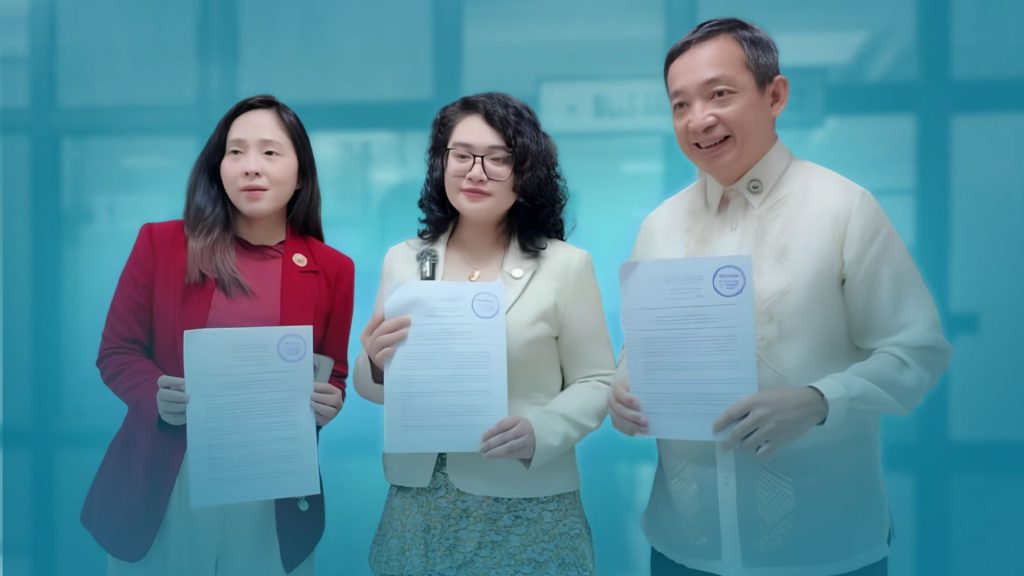
Momentum for reform is already beginning to emerge. Days before Father’s Day, Akbayan Party-list Representatives Chel Diokno, Perci Cendaña, Dadah Ismula, and Dinagat Islands Representative Kaka Bag-ao filed the proposed Paternity and Parental Leave Act (PAPA Leave Act), which seeks to expand paid paternity leave to 105 days. The proposal reflects a growing recognition that raising a child is a shared commitment that deserves institutional support and not solely a mother’s responsibility. Whether the bill advances or not, it signals that the conversation surrounding fatherhood and caregiving is beginning to move beyond symbolic recognition toward meaningful policy reform.
Staggered leave systems may also offer a more practical alternative for some households. Instead of concentrating leave within a single continuous period, fathers could divide leave across several months in response to changing caregiving demands. Such arrangements may provide support during later developmental stages, particularly when mothers return to work or childcare responsibilities intensify. However, staggered leave systems would also require stronger employer compliance and greater workplace flexibility, which remain inconsistent across industries and employment conditions in the Philippines.
The current paternity leave policy reflects an outdated understanding of caregiving responsibility. Mothers receive 105 days of maternity leave under Republic Act No. 11210 [2], to accommodate medical recovery needs and childcare demands, while fathers only receive seven days under Republic Act No. 8187. This structure allocates recovery time to mothers while limiting fathers to a brief adjustment period, creating a mismatch between caregiving expectations and actual time allocation. Modern parenting expectations increasingly emphasize shared caregiving, emotional support, and active participation from both parents during early childhood, as early involvement shapes long-term developmental outcomes.
Many Filipino fathers have already begun redefining what fatherhood looks like. They wake for midnight feedings before reporting for work the next morning. They learn how to change diapers, attend medical checkups, prepare bottles, and share responsibilities that previous generations often left entirely to mothers. Their example shows that caregiving is determined by commitment and not by tradition. Father’s day rightly celebrates fathers who provide, sacrifice, and remain present through the years
On Father’s Day, recognition of fathers often centers on gratitude for years of provision and presence; yet early fatherhood begins in a different reality, where presence is measured in sustained participation during the most demanding phase of family formation. Seven days of paternity leave allow fathers to witness only the beginning of that process. Care work requires sustained participation from parents and a stronger institutional support for workplaces and policymakers. If fatherhood is increasingly understood as active participation in raising and sustaining a family, then labor policies must reflect responsibilities that extend beyond symbolic presence during the first week after childbirth.