









Now Reading: How pisonets redefined the way Filipinos experienced the internet, one peso at a time
-
01
How pisonets redefined the way Filipinos experienced the internet, one peso at a time
How pisonets redefined the way Filipinos experienced the internet, one peso at a time

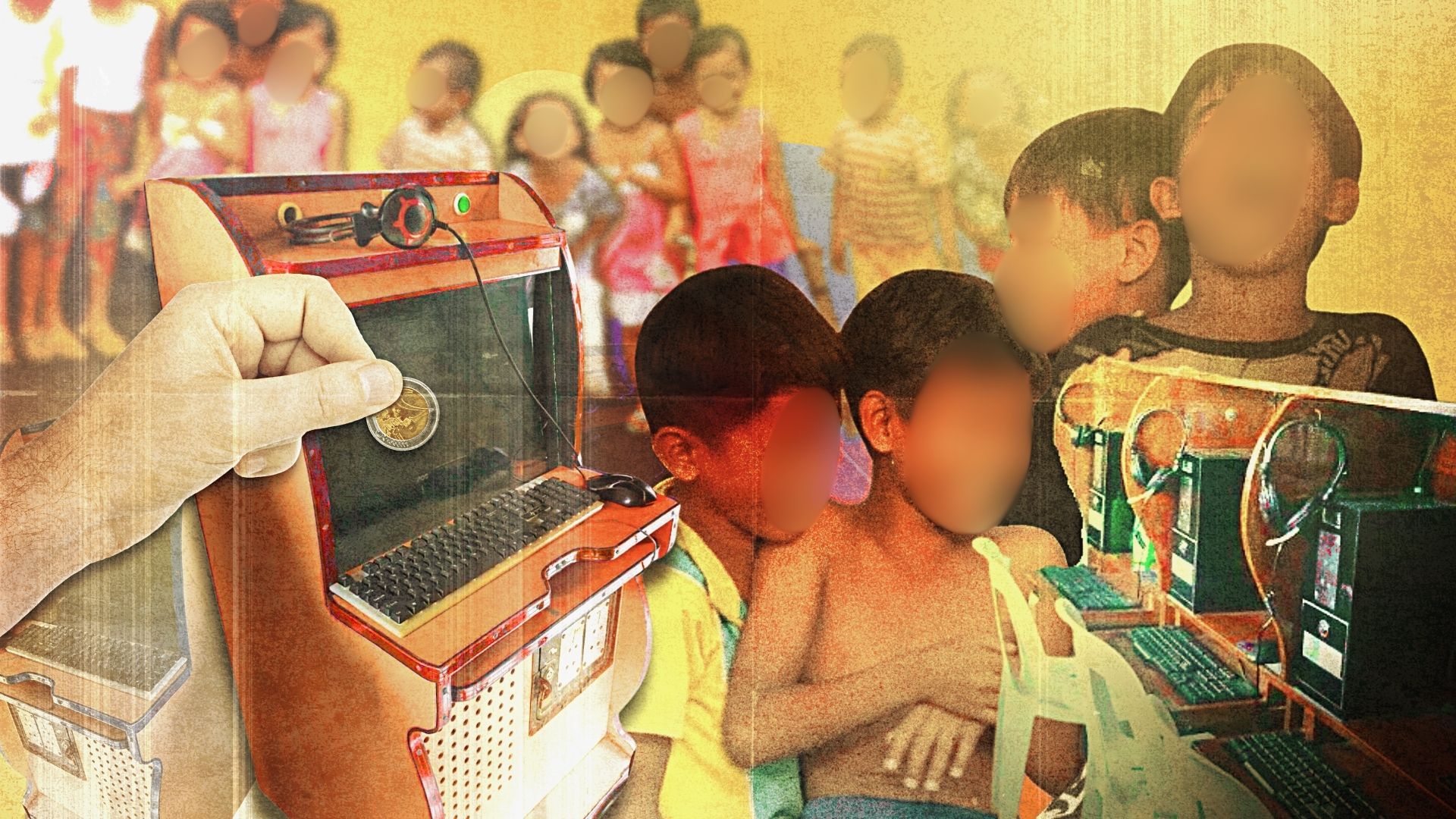
A clink of a peso coin disappearing into the thin metal slot. Lines of children and adolescents alike that stretch beyond the doorsteps of the shop. Whirring machines and clacking keyboard keys accompanied by the scream of triumph and groans of defeat. It might feel like a small factory of noise, but for many Filipino children, these shops feel like home.
Before smartphones fit our pockets snugly like a glove and before unlimited data graced our devices, the internet could only be found in a pisonet — a machine usually tucked between houses and sari-sari stores located in various streets across the country.
For worried mothers who anxiously wonder where their kids have turned to, it is that headache assuming physical form. However, for many “batang Pinoy” out there, it became an avenue for the expression of childhood and one of the ways to seek entertainment.
This nostalgia has recently resurfaced after Dagupan City Mayor Belen Fernandez ordered a ban on pisonet shops in accordance with an ordinance passed by local officials. While discussions often center on concerns over excessive gaming and children’s welfare, the story of the pisonet extends beyond debates because it is also a story of accessibility and a generation’s first encounter with the digital world.
One peso, one beginning
First introduced in 2010, a pisonet, from the clever fusion of the Filipino piso currency and the word internet, was a computer system with a timer box connected to a time slot. Its design is reminiscent of the videoke machine and gaming arcades. The technology is also being protected from theft and unpredictable weather using a wooden casing. These setups are found either as a lone machine along the alleys or as part of a small shop lined with rows of similar units.
From a simple innovation, it eventually became popular due to the rising demand for the internet in the country. Because of its cost-effectiveness, where one peso can already provide five minutes of unlimited internet browsing, this coin-operated computer soon became one of the main sources of access to the digital world.
Small machine, big possibilities
What made pisonets endure amidst the change of time was not merely their affordability, but the possibilities they unlocked.
For many Filipino children, it became an avenue for nonstop entertainment. Whether they wished to watch the latest episodes of the famous anime series Doraemon dubbed in Tagalog or perhaps play a quick round of Dota 2 — the pisonet machines are the way to go.
They no longer need to subscribe to a monthly plan to access the internet and catch up on their favorite games or shows. All they need is a few fistfuls of coins carefully scooped from their tin piggy banks to unlock a world that was once beyond reach.
The benefits extend beyond gaming. It also finds its way to a student who realizes, all at once, that a research proposal, a calculus assignment, and a poster are all due the following morning. Pisonets serve as a reliable companion for long hours of conducting research, seeking textbooks online to work through the formula of a complex math problem, and some even offer printing services to produce physical copies of requirements that need to be submitted.
While children found entertainment and students found convenience, others found opportunity. For many small business owners, the pisonet became a steady source of income.
According to a study titled “Communicative Assemblages of the Pisonet and the Translocal Context of ICT for the “Have-Less”: Innovation, Inclusion, Stratification” published in 2019, some pisonet owners were able to earn anywhere from P300 to P600 per week. While modest, the additional income helped supplement household expenses. It demonstrates that even a pisonet could become a viable source of livelihood.
Beyond the glowing screen
Over time, the pisonet evolved into more than a neighborhood computer shop. It became a third place, a space that is neither home nor school, but somewhere in between that helped foster relationships and a sense of belonging.
Unlike smartphones and other devices in the present, pisonets encouraged face-to-face interactions, turning internet browsing into a communal activity rather than a solitary one.
Every afternoon, children from different households would gather around a glowing monitor. The casual observation of another’s activities as they patiently wait for their turn slowly turns into a blossoming friendship: an essential social aspect, especially for the youth.
According to Baylor College of Medicine, socialization not only fosters companionship but also empathy among children, allowing them to understand more perspectives and helping them become more tolerant of other people as they grow older.
This shared space also reflects the Filipino value of “kapwa” or the recognition of shared identity with others. It is found in front of a glowing screen as individuals flock together to view what is unfolding on the screen. It is found in the laughter shared between strangers while waiting in line patiently for their turn. It resides in every encouraging word after an intense online match of Dota or in the laughter shared over a crushing defeat.
In this way, the pisonet became more than a gateway to the digital world — it became a space where Filipino values quietly came to life.
A peso’s worth of memories
More than an access point to the internet, pisonets are a cultural and generational experience.
Contained inside a small shop are memories that reflect countless stories of how many Filipinos spent their childhood and adolescent years. It bore witness to the many triumphs and losses — whether in online games, school-related endeavors, or even job applications. More than that, it serves as an avenue for belonging and being part of a larger community that reflects the wide reach of the internet.
Now, with stricter regulations and more personal forms emerging, the once-familiar sight of glowing monitors surrounded by waiting children has become less common. Yet for those who grew up with it, the memory of that cozy afternoon filled with the lively sounds of whirring machines and other noises remains intact.
In the end, the pisonet remains more than just a coin-operated computer. It is a small but enduring chapter in the story of growing up Filipino.