










Now Reading: In the sugar capital, Negros sugar workers earn below minimum wage
-
01
In the sugar capital, Negros sugar workers earn below minimum wage
In the sugar capital, Negros sugar workers earn below minimum wage

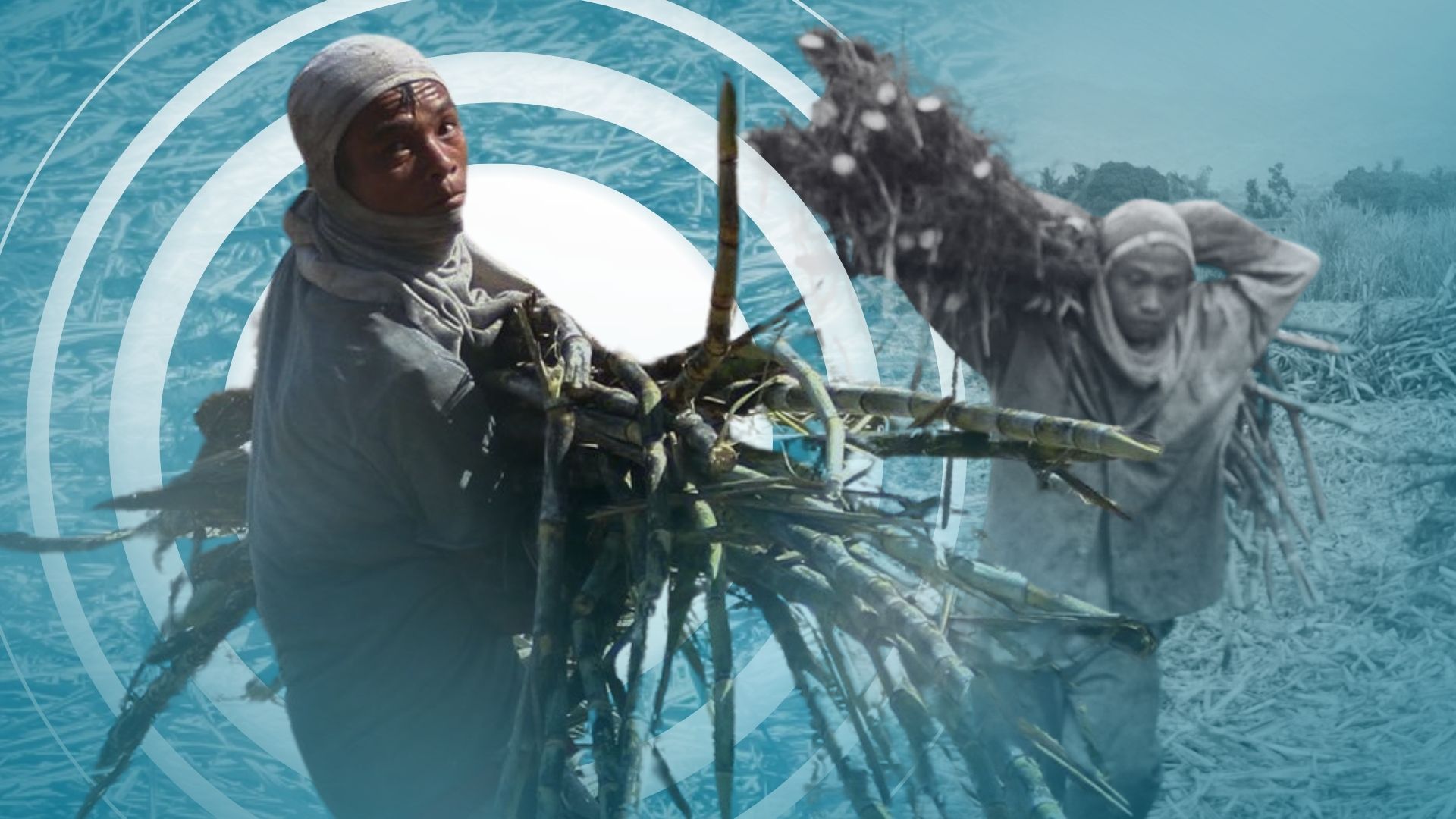
Despite being the country’s top sugar-producing area, farmers in the Negros Island Region earn only P300 to P500 a day, an amount lower than the P540 minimum wage.
Data from IBON Foundation indicate that Negros produces 5.04 million metric tons of sugarcane or nearly 76% of national output in the fourth quarter of 2025.
It added that the region also hosts 60% of the country’s sugar refineries, as well as 13 of the nation’s 25 operational mills.
The value of sugarcane production in the area also increased by 32.4% between 2024 and 2025, according to the data.
Even with this, data show that Negros is the third poorest region, with 28.9% of its population living below the poverty threshold, revealing wealth disparity among its citizens.
Wage data show that some workers are paid only P480 for 12 hours of work in plantations without government-mandated benefits.
Workers also receive an equivalent pay of P60 per day for three days of labor in some cases, such as weeding operations.
Reports indicate that agricultural work is often seasonal, leaving farmers without income during the tiempo muerto, or the period between planting and harvest.
In response to these conditions, the Department of Agriculture (DA) on April 15 began the nationwide rollout of the P10-billion Presidential Assistance for Farmers and Fisherfolk Program (PAFFP), a cash aid initiative intended to support agricultural producers affected by rising fuel and production costs.
Funded under the 2026 General Appropriations Act, the PAFFP provides P2,325 in cash assistance to more than 4.17 million beneficiaries nationwide, particularly to eligible rice, corn, and sugarcane farmers, as well as registered fisherfolk.
In response to this, Kilusang Magbubukid ng Pilipinas (KMP) called on the government to expand the assistance further to agricultural workers, warning that many farmers and fisherfolk remain without sufficient support.
“How about farmworkers and those planting vegetables, coconut, banana, abaca, and other crops? Aside from the impact of the fuel crisis, farmers and fisherfolk are also affected by the approaching El Niño,” KMP Chairman Danilo Ramos stated.
Ramos added that without immediate subsidies, farmers will be pushed so stop farming, which then will affect food price and hunger among consumers.