




Now Reading: Locked away, even in death
-
01
Locked away, even in death

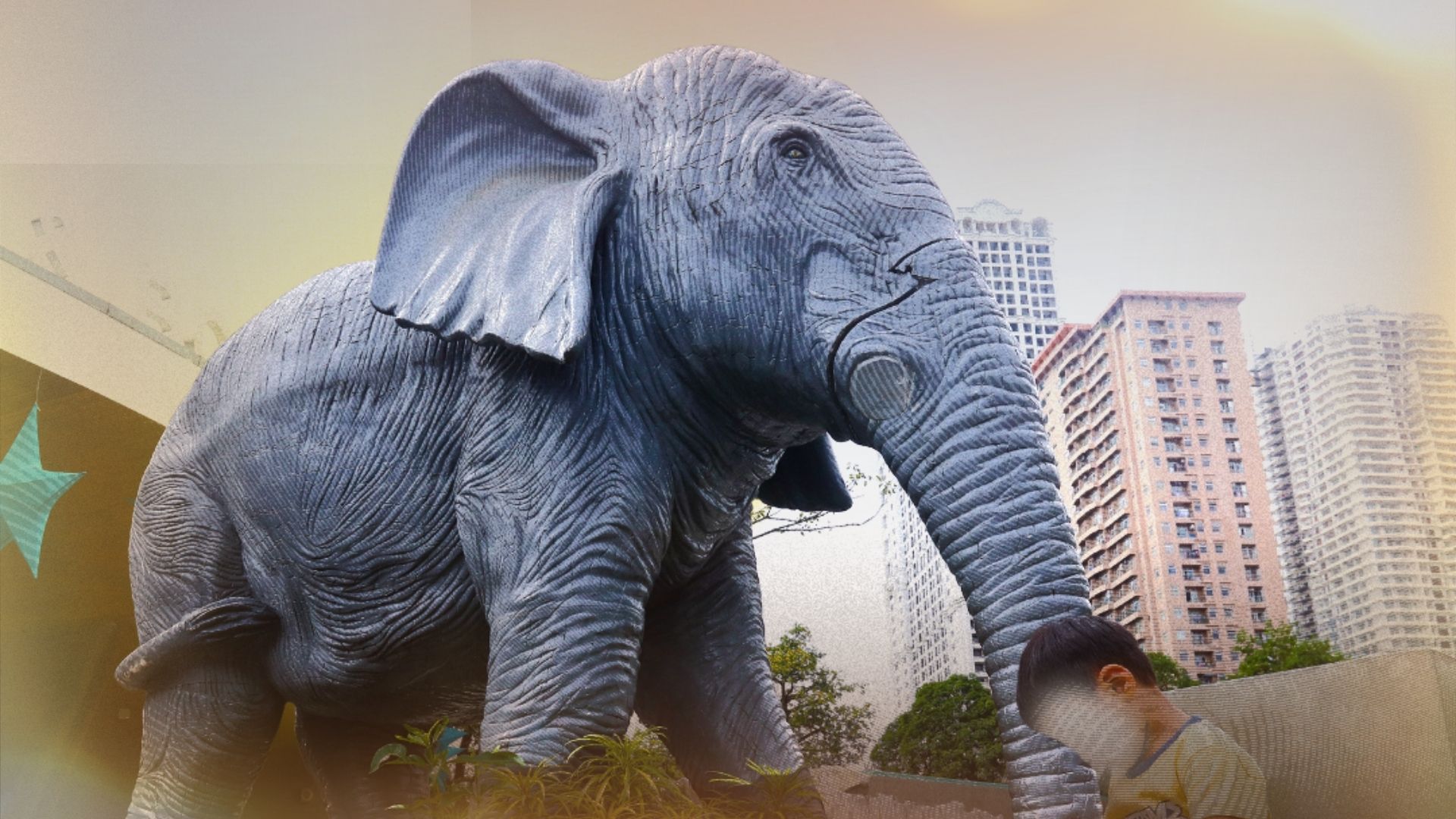
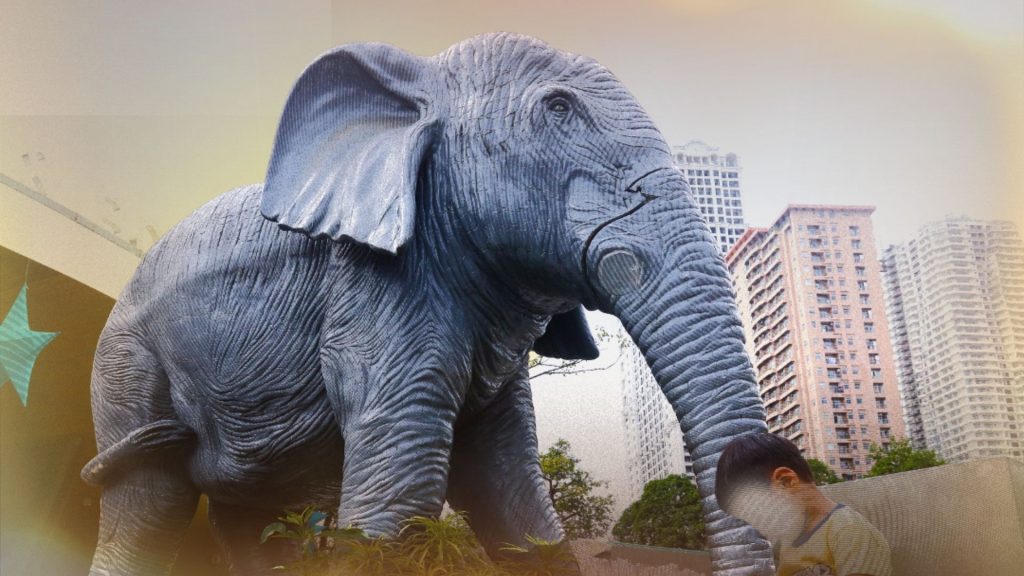
It seems five decades wasn’t enough. First we stripped Mali of her dignity; now we’re mounting her skin as a trophy of public guilt.
The unveiling of Mali’s taxidermied remains at the National Museum of Natural History is being dressed up as a loving, cultural tribute. Bureaucrats and museum directors speak of protecting a “treasure,” preserving “childhood memories,” and honoring a specimen of historical importance. But call this spectacle what it really is: a post-mortem PR campaign designed to wash away administrative sins. Converting a victim of lifelong solitary confinement into a polished museum exhibit does not honor her memory—it sanitizes her mistreatment under the guise of civic heritage.
For nearly five decades, the Manila Zoo kept Mali trapped in a barren, concrete cell. While local officials paraded her as a tourist attraction, her reality was defined by chronic physical illness—including congestive heart failure and cancer—and severe psychological distress. Under Republic Act No. 10631, which amended the Animal Welfare Act of 1998, animal welfare is explicitly defined to include both physical and psychological well-being, strictly prohibiting neglect and the denial of proper standards of care. Yet for decades, the state ignored the spirit of its own laws, choosing to keep a highly social, migratory mammal in solitary isolation.
This tragic confinement directly contradicts Southeast Asia’s deep spiritual traditions. Across Thailand, Myanmar, and Cambodia, Theravada Buddhist frameworks revere the elephant—especially the Chang Phueak (white elephant)—as a sacred symbol of royal power, cosmic balance, and karmic virtue, while local traditions honor them as guardians of the forest (Phra Phueak). Manila’s treatment of Mali—taking an orphaned Asian elephant (Elephas maximus) from Sri Lanka and locking her in solitary concrete confinement—corrupts this heritage, reducing a sacred regional symbol to a municipal novelty.
This institutional hypocrisy is not a new phenomena in the Philippines; it is an established pattern of turning dead victims into preserved trophies. Take the case of Lolong, the world’s largest captive saltwater crocodile, who died in 2013 from pneumonia and cardiac arrest brought on by stress and severe confinement. Just like Mali, Lolong was stripped of his natural habitat, converted into a stylish eco-park display, and, upon his predictable death, stuffed and hung inside the same National Museum. The pattern is clear: public institutions inflict irreversible harm on wildlife, wait for them to die under their care, and then taxidermy the remains to claim a victory for “biodiversity education”.
The biological absurdity of this act is backed by decades of animal psychology. Extensive research published on captive elephant neurobiology demonstrates that solitary confinement in barren enclosures causes severe brain trauma, complex post-traumatic stress disorder (PTSD), and profound cognitive decay mirroring human solitary confinement. Mali spent forty-six years experiencing this exact psychological torture. To stuff her hide and claim it represents a “tribute to her life” ignores the scientific reality of what her life actually was: a decades-long, state-sanctioned trauma loop.
This practice mirrors a global history of ethical degradation where public institutions reframe systemic violence as cultural preservation. The British Museum sanitizes colonial theft by retaining the looted Benin Bronzes and the Parthenon Sculptures, while Paris’s Museum national d’Histoire naturelle displayed Saartjie Baartman’s preserved remains until 1974 after exhibiting her in 19th-century human zoos. Similarly, examples such as Jumbo the Elephant at Tufts University, the American Museum of Natural History, 19th-century European captive menageries, and Victorian trophy collections illustrate how non-human animals were routinely integrated into these systems of display. Placed alongside this broader moral degradation of showcasing exploited bodies behind glass, Mali’s taxidermied hide belongs to the same morbid legacy, reducing museums from centers of learning into monuments to non-accountability.
From an ethical standpoint, taxidermizing Mali is a classic exercise in historical revisionism. Ethicists and wildlife conservationists argue that mounting animals killed by captive neglect serves as a display of human violence and dominance, not true conservation. By placing her skin under museum spotlights, the government invites visitors to admire a physical object while detaching from the cruelty behind it. The glass display case acts as a barrier against accountability, freezing Mali in perpetual utility for the very institution that failed her.
The legal framing behind this preservation raises glaring questions of public accountability. Under Republic Act No. 8485, agencies operating zoos are mandated to uphold strict standards of humane treatment. Yet, when Manila officials entered into private service agreements to taxidermy Mali, they effectively bypassed any institutional audit of how her captive conditions caused her death. Instead of initiating legislative reviews on zoo standards or funding wildlife habitat protections, public resolutions were used to immortalize the evidence of their own failure.
Preserving her physical form with formaldehyde will never bleach away forty years of systemic cruelty. True honor would have meant listening to international welfare experts, granting her release to a sanctuary, and letting her walk on real grass alongside her own kind while her heart was still beating. Instead, Manila traded her living suffering for a permanent, taxidermied exhibit.
All we do is take from nature. We failed Mali in life, and in death, we refuse to let her rest. They couldn’t give Mali freedom in life, so they gave her another round of the circus in death—proving that even in the afterlife, Manila Zoo and its custodians still don’t know how to break the cage.