









Now Reading: Meta’s 60-minute digital error costs more than just access
-
01
Meta’s 60-minute digital error costs more than just access

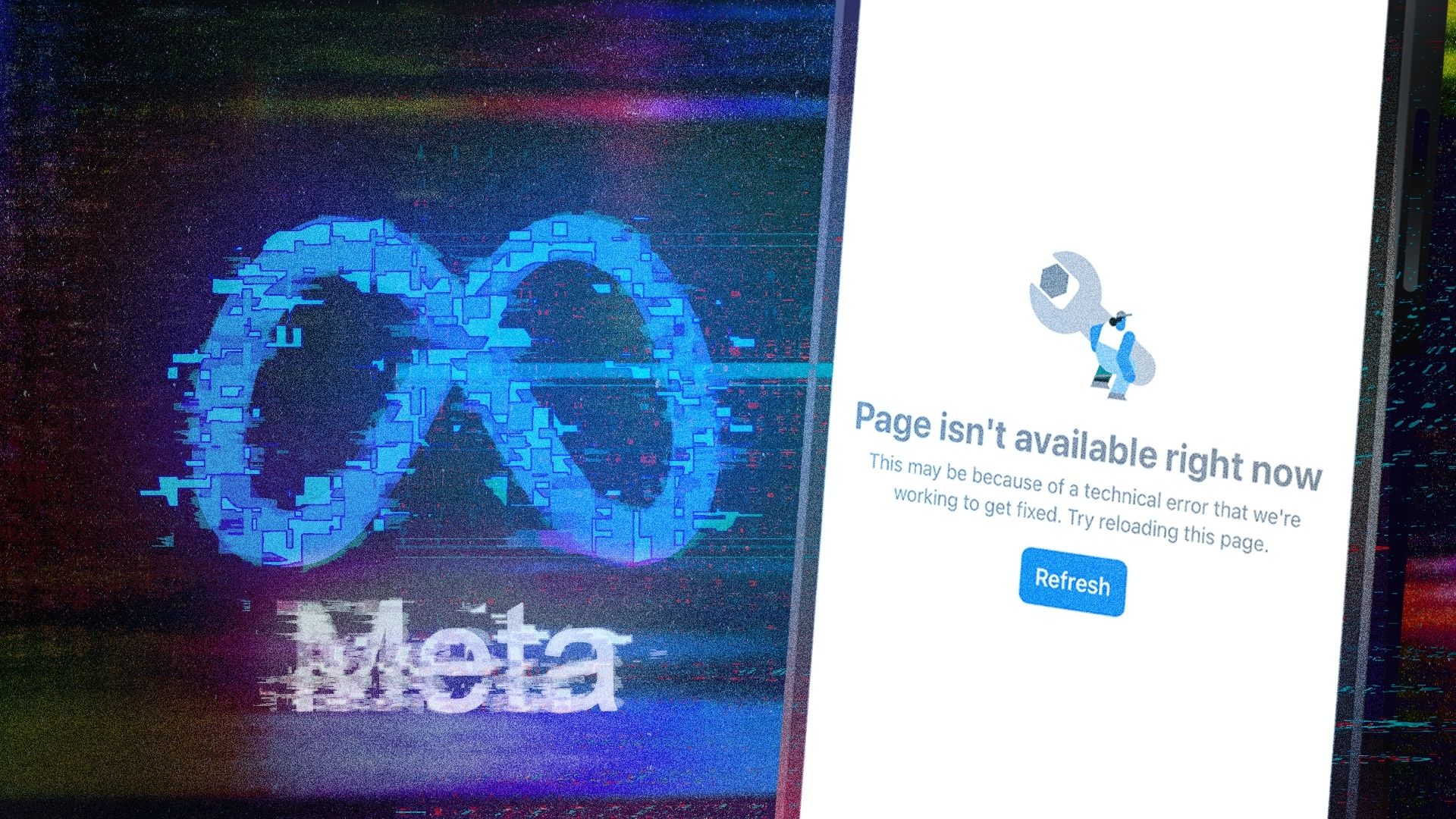
Even just 60 minutes offline can cost hours of worry, doubt, and concern in an age where digital access maintains genuine human connection.
For some people, an hour without access to your social media accounts may seem like a short period of time. But for virtual communities and relationships, Meta’s recent digital glitch costs more than just delayed replies.
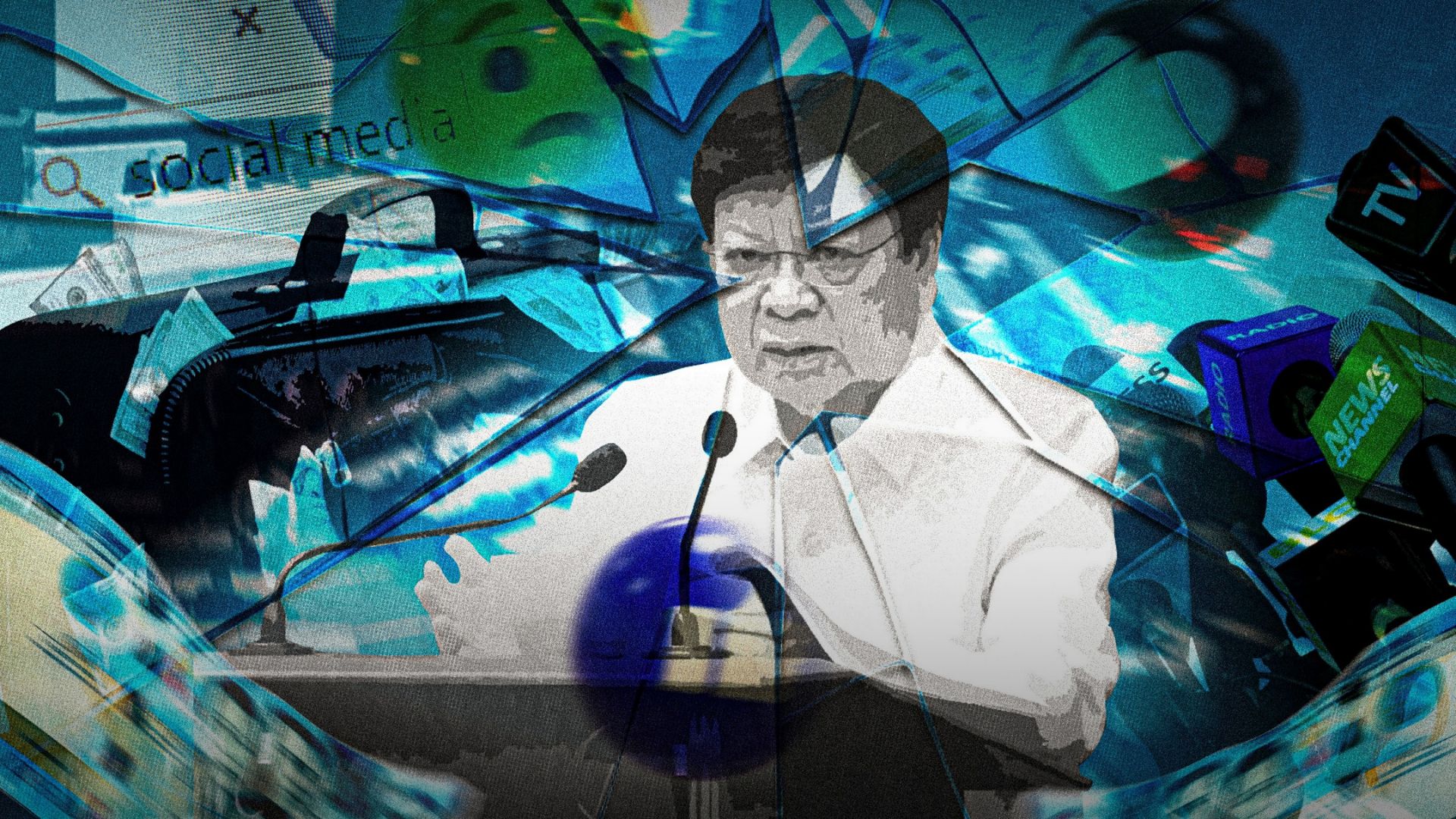
On June 12, 2026, users of Facebook, Messenger and Instagram, alongside other Meta-owned social platforms, were unable to log-in to their accounts beginning at 9:40 p.m. Initially, netizens faced difficulties in sending chats through private messages, instead relying on group chats to relay updates. Moments after, users were logged out of their accounts, effectively halting conversations within these Meta-based platforms.
This glitch, resolved after about an hour of panicked chats and worried updates from friends, families, and online peers, is far from just a software mishap. It is an expose on our reliance on the world’s leading social media platforms, and how routines, practices, and communication can easily fall apart in the face of these errors.
Digital communities and organizations were among the first to feel this cyber paralysis. Editorial boards scrambled to find alternate channels for communication, while social media managers found themselves locked out of their digital libraries. Delayed replies and approvals led to delayed posts. And for publications that are reliant on Facebook and Instagram as their primary platforms for delivering updates, this one-hour pause easily translated to a pause in reportage.
This underscores a concerning truth — that our role as digital journalists can easily collapse when the cyber scaffolding that enables us to amplify our voices comes crashing down.
Even for those who aren’t members of such publications, this machine error also led to human consequences.
For the 2.19 million Overseas Filipino Workers (OFWs) globally, an hour of silence isn’t just a delayed message. It could be an unread “goodnight!” from a loved one, a missed update on a sick relative, or a tearful video call that Messenger couldn’t connect. Given the difference in time zones and the gruelling work shifts that many OFWs have to navigate just to keep in touch with their children, another digital hurdle becomes another missed chance for connection.
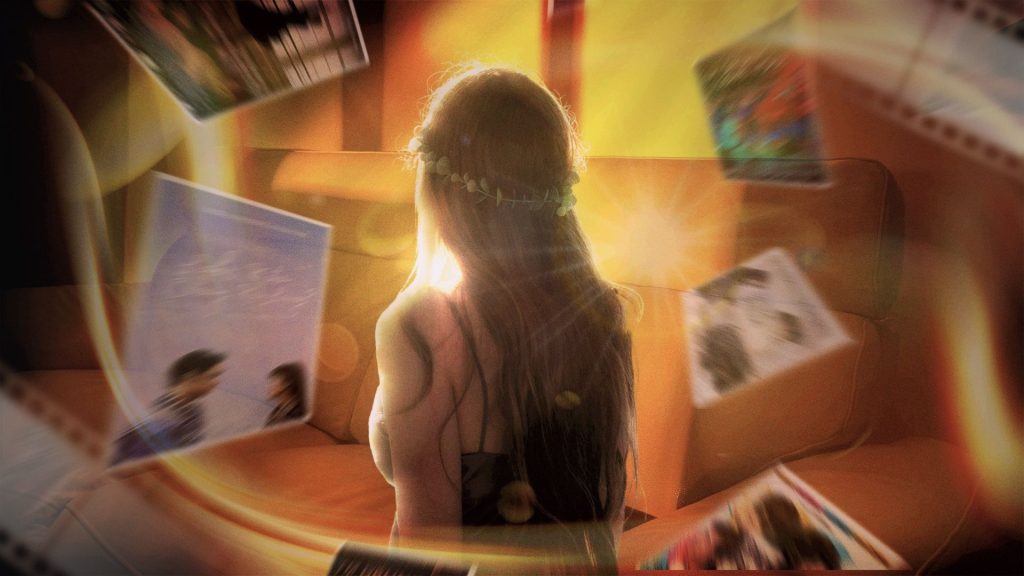
Similarly, those in long distance relationships (LDRs) are also deeply affected by even just one hour of radio silence. Messaging platforms allow for the illusion of presence — that two people, despite being kilometers away, can still feel as though they were only inches apart through late night chats and hourly updates. This becomes a routine for most couples, to build familiarity and connection even when apart. A routine easily shattered when Messenger goes down.
Some may argue that an hour offline can be remedied by putting the phone down and stepping away from the screen to find connection somewhere closer. But for families countries apart, relationships regions away, and digital newsrooms sprawled throughout the entire nation, online connection is even more crucial than person-to-person conversations.
To resolve this, many netizens hurried to find alternative ways to connect. We turned to Discord, X (formerly Twitter), and even Gmail just to send immediate updates. More than communication, these platforms also became a place for validation — that we weren’t the only ones left in the dark.
Because when over 3.58 billion people rely on Meta’s ecosystem, when it halts for even just an hour, the human cost of lost connection becomes a digital wound, one not easily patched by a software update.
For even when the panic subsides and the delayed “goodnights” are finally delivered, the disturbing idea of how fragile our digital bridges truly are remains as an unhealed scar.