






Now Reading: More irreverent than a remix
-
01
More irreverent than a remix

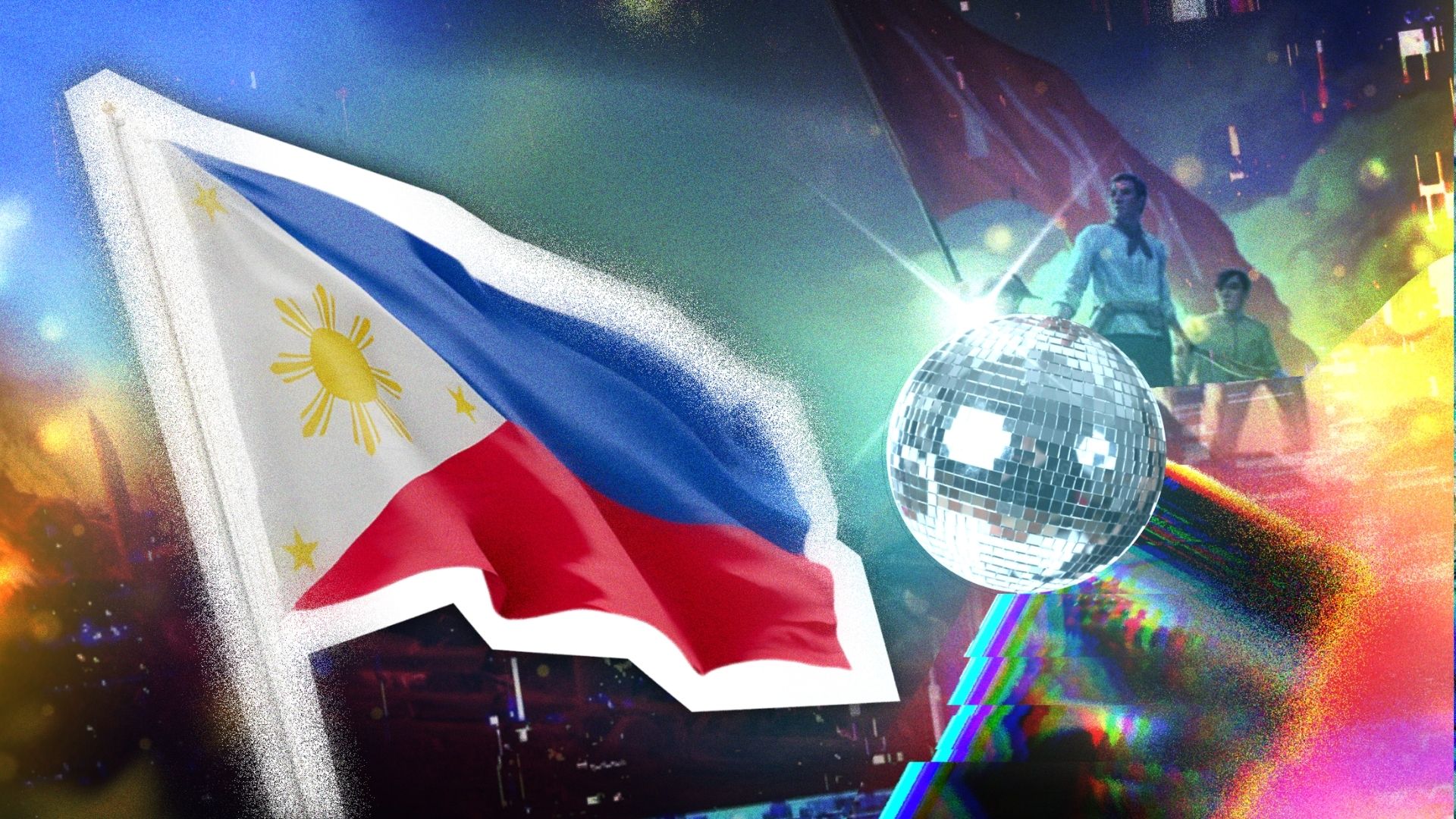
The moment the national anthem of the Philippines plays during a flag ceremony on a typical Monday morning, everyone within the school vicinity comes to a halt. With their hands placed over their left chest and their eyes fixed on the flag, they are reminded that they are Filipinos.
To see a viral video of “Lupang Hinirang” being played in the least-expected way possible–in a rave party, remixed, with people shouting the lyrics, their hands swaying to the beat–brings discomfort to most. It felt disrespectful. The National Historical Commission of the Philippines felt the same way, too, that they had to speak against it.
Simply put, it would have been illegal—had it occurred in the Philippines. However, since the event took place in the United States in December 2025, cultural norms clash, laws become unenforceable, and the line that defines artistic expression becomes blurred.
In the Philippine context, any modification to “Lupang Hinirang” is illegal as mandated by RA 8491, or the “Flag and Heraldic Code of the Philippines.” The law is strict; a slight change in tempo or even in the melody of the lyrics calls for legal trouble. It should not be played nor sung for mere entertainment purposes.
Clearly, what occurred in the video would violate our law. However, since it took place in the United States, Philippine laws cannot be enforced in this context. In fact, the U.S. First Amendment protects music as a form of artistic expression. It is also difficult to determine the intent of those in the video. Thus, claiming that they disrespected our culture would be a reckless assumption, as their actions could also be interpreted as a form of patriotism, despite being considered illegal under Philippine law and their probable lack of awareness of it.
Nonetheless, it is still valid to feel disrespected by the video. This reaction can also be seen as a form of patriotism, one that seeks to preserve the traditions and virtues embodied in the way the national anthem is performed. The law exists to protect the national identity and solidarity represented by the song. To reduce the national anthem to mere party music is to undermine our very own history, identity, and nationality. While cultural contexts may differ, respect for such symbols should be acknowledged even by people of other nationalities
What is not valid, however, is defending what occurred in the video—not based on cultural and legal differences, but by dismissing it as “not that deep” or claiming that the law is simply “too stringent.” This is similar to Pura Luka Vega’s “Ama Namin” performance in 2023. While the performance may be viewed as a legitimate expression of faith and art, it could also be considered offensive to Christian sensibilities, especially given the perceived misuse of “Ama Namin.”
Just as “Ama Namin” must be performed in a manner that preserves its sanctity and honors God, “Lupang Hinirang” must likewise be rendered in a way that honors the heroes who sacrificed their lives for our independence and sovereignty. If we cannot demonstrate patriotism through the simple act of respecting the national anthem, how can we value our country in greater ways?
Yes, the law might be considered strict, as several individuals who performed the national anthem during Manny Pacquiao’s fights have gotten into trouble. However, such strictness is necessary to instill proper values in every Filipino. We do not want citizens who are unfamiliar with the lyrics of our national anthem. Nor do we want another instance of Bato dela Rosa referring to the national anthem as “Bayang Magiliw.”
Unfortunately, the event happened last year, and cases cannot be filed as it is outside our jurisdiction. Let this be a lesson that the national anthem is not a mere song; it is a symbol of our history and collective identity. While the law mandates it, respect for national symbols is a matter of cultural sensitivity and responsibility, and not just legal compliance. The partygoers who played and sang “Lupang Hinirang” at a rave party as a form of expression, albeit in ignorance of our laws, may be excused. However, Filipinos who are aware of the law yet undermine what it protects cannot be.