









Now Reading: My identity is not your toy!
-
01
My identity is not your toy!

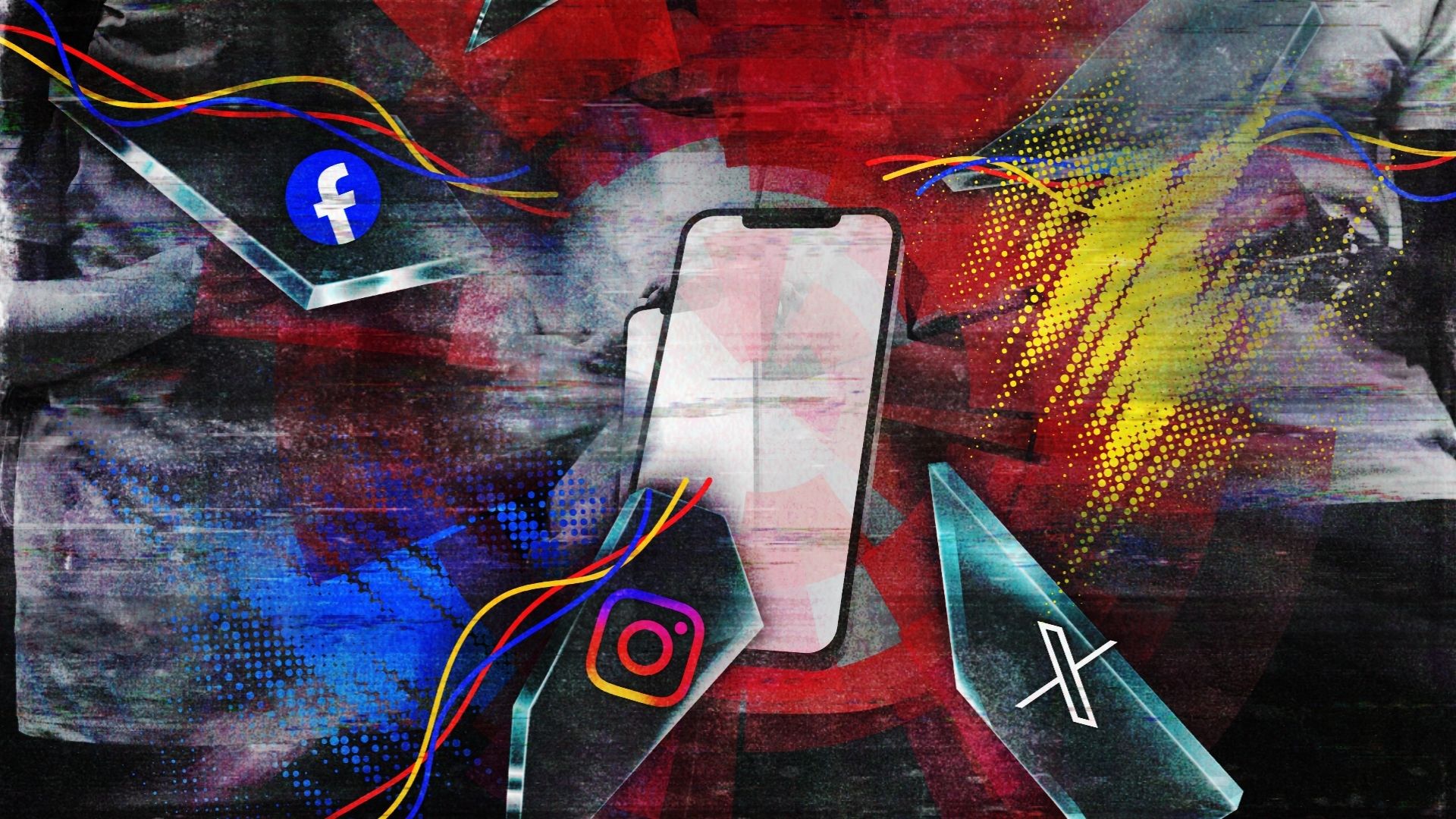
On January 16, the Department of Information and Communications Technology (DICT) disclosed its interest in verifying the identity of social media users, in the hopes of finally addressing the headache of the country with internet trolls. While the agency reiterated its emphasis on inducing accountability and safety in online spaces, it once again shows the exceptional solution-making skills of the government, grounded upon mental gymnastics and disappointment.
With the rise of the online trolls that constitute the majority of disinformation and misinformation in the online space, scam, prank calls and texts, and even extortion, rectifying these is long due, and doing so requires a firm and balanced approach rather than putting the sole responsibility and accountability on the end user. One might not want to repeat the same quirks that the SIM Registration Act has done to our country–talk about awkwardness!
Proposing yet another slap to the end users not only aggravates their already unbalanced dynamic with the big tech companies that profit from them, but it also creates yet another room for compromise for the sensitive information, one might not want others to play around nor use for selfish capitalistic greed.
Collecting user information to verify users’ identity puts dystopian fantasies into a tangible reality. Sure, it does the job of pinpointing the problem, but it also gives an authoritative and unquestioned pool of power for the government in dealing with the citizens’ data collective, which can easily be sold off to the black market for the bargain of unruly entities.
And during these times where the looming threat of Artificial Intelligence comes into play, one cannot simply stay put in becoming lenient with sharing their personal information to the public, even to the authorities that raise questionable measures. You would never truly know the extent of its impact, as it could mean a loss of life, career, or dignity.
Although a free and independent access to the internet does not imply a pure deregulation of the social media arena itself. For freedom without bounds creates a room for the voices of oppression that shall not be tolerated under any circumstances. Proliferating falsehoods, hate speech, and extremism truly need an authoritative approach that ensures the common good of all the people within that specific context.
To put everything in sense, the government could potentially look into creating an intermediate institution that allows for the distribution of power, authority, and trustworthiness between the social media entity and the general public who will use their services. Incentivizing massive enterprises like Facebook, X, Instagram, etc., to foster a safe space not only drives commercial viability but also enriches the citizens’ right to privacy, speech, and participation.
Officials should know better how to properly press the buttons of market regulation because it subtly exposes the unreachable bare minimum that they cannot give to their constituents. The step to regulate the end-user instead of the social media enterprises themselves does nothing but make life immeasurably harder for laypeople in the pursuit of their human right to access a free internet.
Hence, if the Philippine Government is truly in line with its mandate of protecting its people from the new and previously obscure detriments of the 21st Century, a balanced consultation with the experts in the industry and people should have been in effect during all of this happening rather than making hasty steps that play with the stake of its citizens.