









Now Reading: Amid the holiday cheer, some hearts skipped a beat—literally.
-
01
Amid the holiday cheer, some hearts skipped a beat—literally.
Amid the holiday cheer, some hearts skipped a beat—literally.

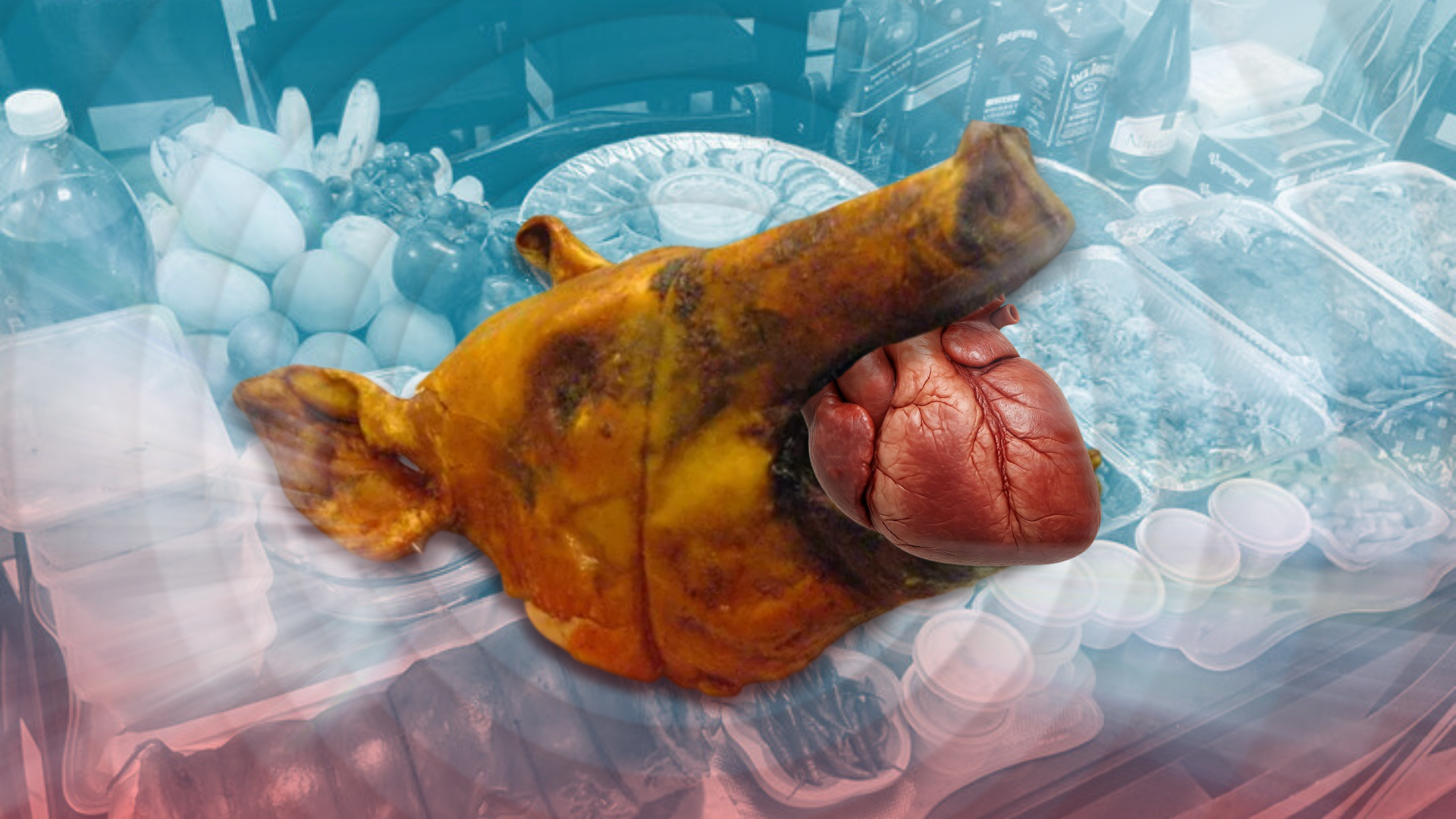
Lechon on the table, “putok-batok” snacks on the side, beer in hand, and karaoke blasting past midnight—Filipino holidays are all about the feast and the fun. But for some, the indulgence hits harder than a hangover: strokes spike right after Christmas and New Year, and they don’t care about your party plans.
Doctors at the Southern Philippines Medical Center (SPMC) say this is no coincidence. Every year, they observe the same post-holiday pattern, linking the surge to heavy eating, drinking, and sleepless nights, which are habits that can quite literally make the heart skip a beat.
Stroke isn’t just a sudden emergency—it can literally make your heart skip a beat. According to the American Heart Association (AHA), most strokes occur when a blood vessel to the brain is blocked, cutting off oxygen. Within minutes, brain cells start to die, which can disrupt control over vital organs, sometimes causing irregular heartbeats, weakened pumping, or even heart failure.
In the Philippines, stroke remains a major public health threat. Data from the Department of Health (DOH) and the World Health Organization (WHO) consistently place cerebrovascular diseases among the country’s top three causes of death, with stroke often ranking second. The Philippine Statistics Authority (PSA) also notes that many survivors live with long-term disability, making its impact last far beyond the initial attack.
Globally, the WHO estimates about 15 million people suffer a stroke each year, and nearly 6 million die from it, while millions more are left with lasting disability. These global figures mirror trends seen in the Philippines, where stroke continues to affect thousands of families every year. As a result, the WHO advises the public to watch out for signs such as numbness, sudden weakness, or difficulty speaking, which are symptoms that should never be ignored
Post-Holiday Peril
During a recent media forum, Dr. Matthew Rex Madayag of SPMC said the hospital saw a surge in stroke patients as the holiday season ended. While current numbers remain within the usual range, cases tend to climb after Christmas and New Year, when sudden changes in meals, alcohol intake, and sleep schedules place added strain on the body.
“Sa karon, usual number pa. Pero pagkahuman sa Pasko, after the holiday season, usually nagkadaghan, again because of diet,” Madayag said. He explained that excessive eating, drinking, and disrupted rest during the holidays increase the risk of stroke for many Filipinos.
In addition, younger adults are increasingly showing up in stroke wards, a trend that alarms health experts. Dr. Madayag noted that binge drinking, irregular sleep, and indulgent eating habits among the youth are contributing to this shift, meaning that stroke is no longer a condition only older Filipinos face.
Mindful Meals
To counter this, SPMC advises residents with high blood pressure to monitor their diet, limiting salty and fatty foods, while those with diabetes should moderate carbohydrate intake. Small, consistent adjustments, such as splitting meals into smaller portions, staying hydrated, and limiting alcohol to one or two drinks per day, can significantly reduce stroke risk.
The hospital also emphasizes adequate rest and sleep, noting that irregular schedules and late nights can disrupt blood pressure, heart rhythm, and blood vessel function, which increases stroke risk. By combining these practical measures with awareness, SPMC hopes the community can protect their health without missing the joys of the festivities.
As the holiday season winds down, the risk may linger. By practicing mindful eating, moderating alcohol, getting enough rest, and monitoring existing health conditions, Davaoeños—and everyone—can enjoy the season safely. With awareness, small lifestyle changes, and timely action, people can celebrate at ease without paying the price.