







Now Reading: Rotten fruits of our labor
-
01
Rotten fruits of our labor


The world order is crumbling, and if you have felt your stress levels unusually spike lately, you are not alone. It is not just existential dread—it is the literal cost of survival. And with an authority unwilling to waive a pinch of accountability for the country’s full-blown energy crisis, breadwinners, once again, are left to crowdfund missing resources, undermining what has been fought for years by the spirit of Labor Day.
The recent increase in the latest electric bill has been truly agonizing for the already exhausted middle class in the Philippines, as it relates to how social welfare programs, such as the 4Ps (Pantawid Pamilyang Pilipino Program) energy waiver, are compounded to their burden. This is even though our country grapples with one of the most expensive energy surges globally, linked to the Middle East conflict.
For instance, it is remarkable how netizens from Facebook, Instagram, and TikTok recently voiced their disdain with their recent electric bill, seeing with their own eyes how they are being ripped off by the same institutions that their taxes have already funneled millions into. Turning lifeline services into a profit-making machine does not solve the issue at all, but it justifies these institutions to go lower than the bare minimum.
Unsurprisingly, pathetic justifications for these measures were already peddled to alleviate further dissent, linking the hike with enforcing already enacted orders such as the ‘lifeline rate’ provided for 4Ps beneficiaries, senior citizens, and other indigent persons to dilute outrageous energy and electricity costs. Such reasoning reflects the shallow response of passivity, costing beyond monetary losses, but also the supposed mandate of the government with us.
While the program lacks malicious intent, the fact that the cost to ensure the 4Ps program is financed through passing the burden to the innocent consumers surely does undermine the struggles of these people who are trying to survive this increasingly unequal society.
However, despite these factors that weigh in for the change in the working class’s living standards, one should not make the mistake of buying into the wrongful sentiment that the poor, typically beneficiaries of these social welfare programs, are making their lives harder through their ‘lazy’ attitude. It can be argued that these rhetorics are significantly motivated to fragment a united cause against those who lobby for partiality and exclusivity.
The current situation gives the impression of irresponsible governance that simultaneously underperforms and enables the harmful rhetoric mentioned earlier. The math simply does not add up with how the staggered taxes, such as the Value Added Tax (VAT), Income Tax, energy and oil taxes, etc., should work for the interest of the Filipino people.
To draw some reference, neighboring countries like Indonesia, Thailand, and Vietnam have already realized the need to prevent their people from having to tighten their belts just to make ends meet. They achieved this through a multitude of processes like fuel subsidies, securing new energy sources, and bolstering renewables.
Here in Canada, where I currently reside, energy and oil prices remain fairly stable for the regular consumer compared to the Philippines, despite the overall higher cost of living. This was then made possible through the release of fuel stockpile supplies from established infrastructures intended for circumstances like these–showing how genuine fruits of labor, minus the corruption, can be beneficial after all.
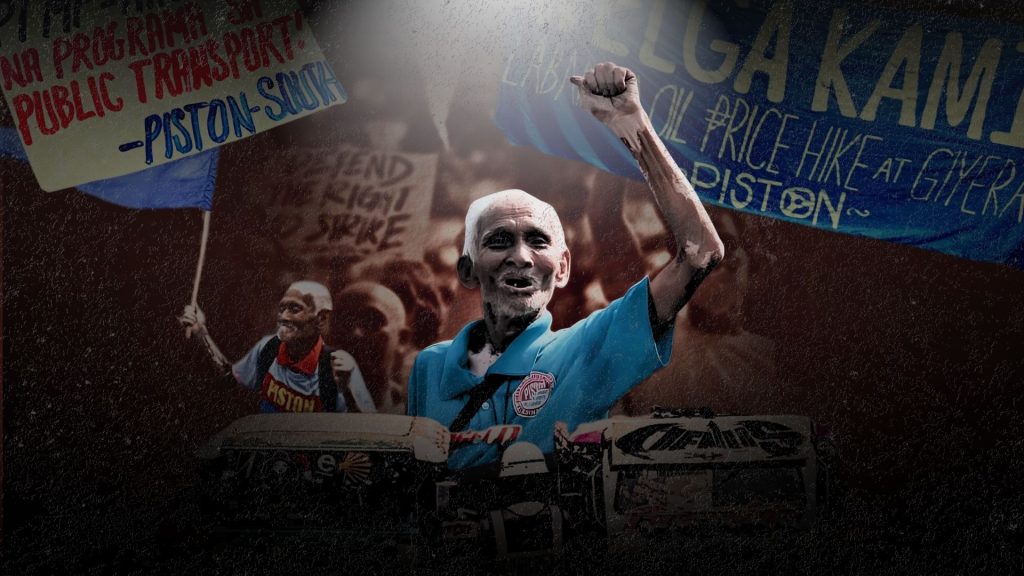
Instead, Filipinos are faced with corruption issues one after another, which eventually dismissed workers’ fair demands. Jeepney drivers are one of the stark examples of how people can become so deprived of equitable living standards. This could mean working for a twelve-hour shift and trying to meet unreasonable quotas is becoming not just the norm, but is systematically encouraged.
Truly, despite endless hours in work shifts that massively drain energy, people are still left to pay the huge price of incompetence reflected in spiking electricity and gas prices. It is as if the debt of those in control to capacitate large-scale measures for the workers continues to stagger, as one sees disappointment after another.
Hence, this Labor Day, the call to reconcile the disparity between the workers’ endless effort and the current underwhelming social outcomes in the country becomes not just apparent, but a requisite to reiterate justice and fairness in the country, should the current and future generations still opt for it.
Our voices shall redeem answers, not mere audience. Expressing dissent over this current passivity becomes crucial, as people should clearly draw the line on what they truly deserve after relentless efforts. Continuing to buy into this narrative not only breeds mismanagement and incompetence, but it also enables the continued rotting of a greater social system.