









Now Reading: Scorched at a stalemate
-
01
Scorched at a stalemate


As rising temperatures and uncontrollable climates arrive at their tipping points, the battle between humanity and nature has reached a scorching stalemate. One that desperately requires a recalibration of efforts toward actionable measures and not simply towards mindless scapegoating—which can only be done if we play our pieces right.
The National Oceanic and Atmospheric Administration (NOAA) describes the regular El Niño as a natural climate pattern that originates in the Pacific Ocean and is capable of shifting weather on a global scale. Though its direct meaning from Spanish translates to “little boy”, there is nothing small about its impact on the planet. When it begins, trade winds that usually blow along the equator weaken, pushing back warm water toward the east, heating up our waters and disrupting the usual cycles of surrounding marine environments. South American fishermen spotted this unusual warming way back in the 1600s, but truth be told, it has only gotten worse as the centuries passed.
Whenever El Niño rolls around, the conventional Filipino household immediately knows what to do. As hotter rays shine in through the wooden windowsills, unspoken rules during these blazing moments arise. Feeling sweaty? Lots of replacement undershirts. Feeling parched? A wide array of cool refreshments inside the refrigerator. Feeling fatigued? A flexible hammock set up outside in the breeze. For every inconvenience, Filipinos have a contingency plan to counter it, and in the past few years, this has worked in our favor, allowing us to normalize the impact of these climate events. This has long been a system engraved into our heritage as Filipinos, which makes one think that we might have gotten used to it by now. Yet, it seems that we have yet to learn our lesson, since another predicament is brewing in the Pacific as we speak, and from the looks of it, our archipelago is far from ready to face it.
The US-based Climate Impact Lab reports that around 451,000 people around the world are at risk of heat-related deaths because of the onset of an intensified El Niño, which is expected by the Philippine Atmospheric, Geophysical, and Astronomical Services Administration (PAGASA) to arrive in the Philippines by October and run up until 2027. While the return of this heat-mongering phenomenon is no longer a new occurrence for our archipelago that experiences somewhat of an ‘eternal summer’, this upcoming act of nature is far different, far stronger, and far deadlier than before, with agencies now referring to it as a Super El Niño.
Here in the country, the report warned that more or less 6,500 citizens could potentially go through heat-related deaths. This drastic revelation underscores the severity of this once ‘natural’ phenomenon and, if we allow it to, it tells us a lot about what measures must still be taken to protect us from what’s to come. In challenges like this, it’s never enough to look at the opposing side at surface-level; it’s vital for us to magnify the issue to understand what makes this time-bound climate bomb tick.
Though not entirely felt, this battle is one that our country has been facing for decades. The El Niño-Southern Oscillation (ENSO) has become such an integral aspect of Filipino livelihood, since climate patterns, weather events, and other environmental factors have major parts to play in how the citizens of our country thrive. This goes both ways, however, since whenever these phenomena intensify to unprecedented levels, it leaves most of the country’s resources, ecosystems, and even public welfare, vulnerable to risks. As such, this cements El Niño as an adversity already well-versed within the Filipino lens, but even then, it should not be something to be underestimated, undermined, or downplayed as a mere ‘change’ of seasons or ‘shift’ in weather.
For all its worth, the unrelenting impact of El Niño in previous years should already be sufficient evidence to cement its danger to susceptible countries like ours. We are an archipelago perpetually intertwined with the natural resources given to us, but with this connection also comes the impending burden of suffering when thresholds are broken and lines are crossed—because just like in chess, a single move can lead to either our victory or our loss.
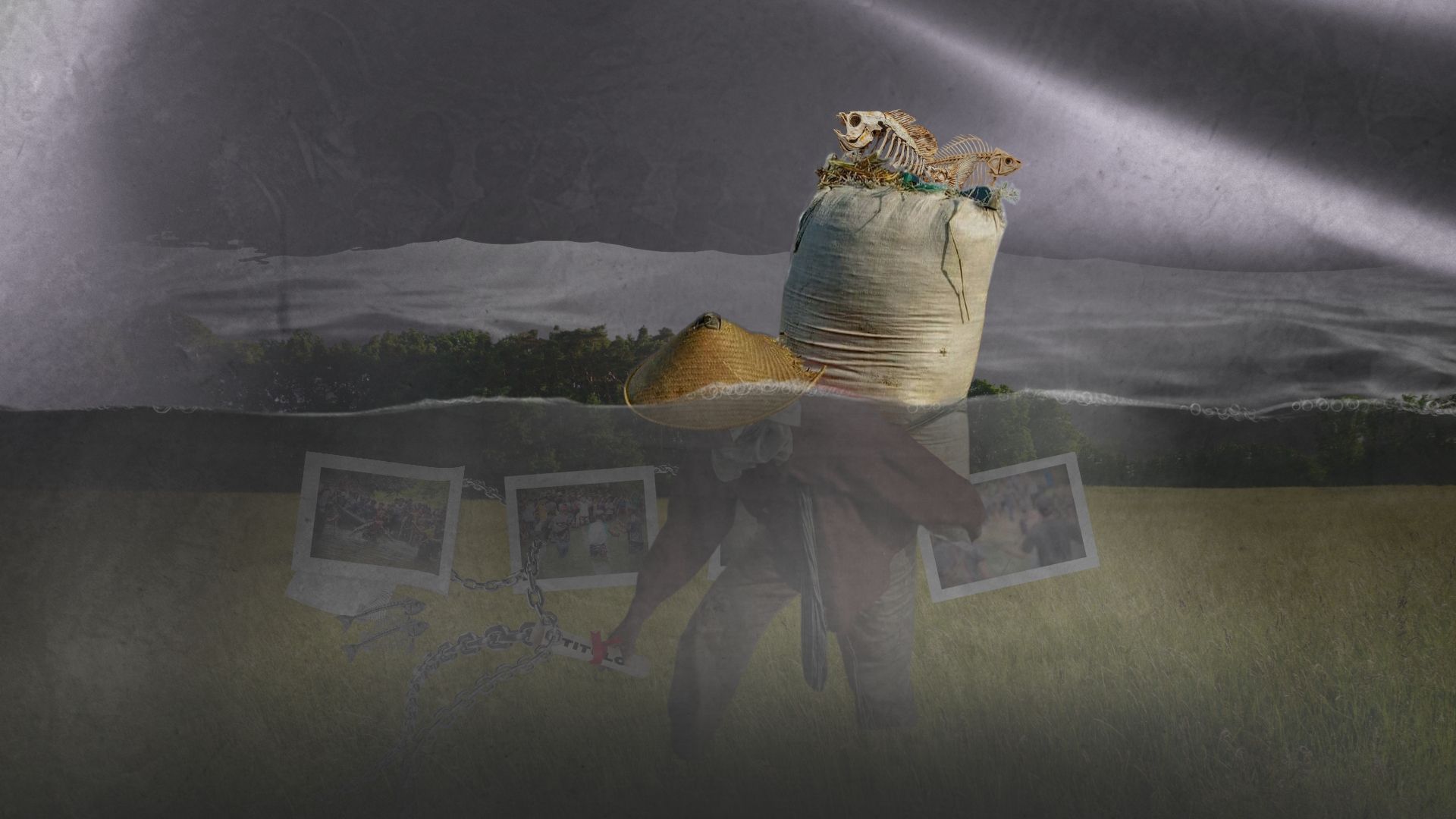
Just take the nation’s agriculture, for example. As a major contributor to the global agricultural landscape, the Philippines boasts of various locations and areas that are designated for the development of proper cultivation systems and farming programs. Yet, these seemingly fundamental aspects of Philippine society are at the brink of desecration, and the situation is not getting any better with the nearing onslaught of this strengthened El Niño. In the past, farmers considered El Niño as a period of waiting and repose, since it meant that crops would be drier than usual and operations would be temporarily halted. Now, however, as the incoming phenomenon grows even stronger, so should the country’s programs that are meant to salvage us from this dilemma.
At the start of this match, the battlefield may have been indifferent, but as time went by, more and more of our pieces were overpowered, taking a toll on the food we consume, the wellness of our bodies, and the ease of our lives. The Department of Agriculture (DA) warned that when this Super El Niño hits, rice production may decline by up to 700,000 metric tons, or about 3.5% of its annual production rate. With rice as a staple food in every Filipino household, food insecurity is sure to take root and when it comes to livelihoods, our humble farmers will inevitably face scarcity and impoverishment. Imagine a time when the primary source of carbohydrates and energy that the average Filipino needs to function faces low supply rates. That isn’t just an attack on our crops, it’s disruption of a vital pillar that keeps our stomachs full and our welfare stable.
DA Spokesperson Arnel de Mesa also noted that potential effects include massive droughts in some areas, whilst heavy rainfall and harsh flooding in the rest. This intense volatility with our climate patterns becomes especially destructive for low-lying communities and areas that are notably prone to natural hazards. Although the predicted impact of El Niño on agriculture is not yet set to arrive until the first semester of next year, experts worry that it could lead to devastating consequences on our agriculturally-reliant nation. So, to cushion this, there should be tangible and evident measures set towards preparing agricultural agencies and farmers from the immediate detriments of the Super El Niño, ranging from nationwide initiatives to localized efforts.
Aside from this, the people arduously working behind our societal functions are also extremely susceptible to this intensified phenomenon. Climate Change Commission (CCC) Commissioner Albert Dela Cruz reported that by 2027, this Super El Niño can force temperature thresholds to rise up as high as 45 degrees Celsius or even more in certain parts of the country. Living under the sultry summer sun of the Philippines is already a tiring experience, since even the smallest movements lead to buckets worth of sweat. However, once our already high temperatures go even higher, which is honestly impossible to imagine with how it already is, it no longer becomes a relatable experience—it turns into an exhausting health ailment. (add opinion on health)
Sadly though, this close-call battle doesn’t end with just agriculture and health. Another piece that is endangered by the Super El Niño’s opposition is the state of our environment. PAGASA’s annual report of the country being crossed by 20 tropical cyclones every year is further worsened, as stronger typhoons and low pressure areas are expected to hit critical areas, including Hawaii, Japan, China, and the Philippines. Much of the country’s expenditures come from projects that aim to either repair areas by natural hazards or build precautionary measures against said hazards.
With the country known as a biodiversity hotspot and an environmental treasure, the heightened prevalence of ecological issues caused by a strengthened El Niño is a threat to all life on the planet, and it’s one that must be regarded with more seriousness.
Consequently, now that humanity has reached this crucial stalemate against the natural world, with this newly uncovered Super El Niño as one of its major by-products, it surely makes one think about what happens next or what can be done to counter such a powerful blow. While this climate jeopardy is indeed a prickly thorn in the lives of not just Filipinos but the lives of everyone that will be affected by the Super El Niño, it should not leave us stagnant and stuck in a position where our efforts simply dissipate just because this deadlock situation looks hopeless. On the contrary, our current state should become a motivating factor to finally take action and turn the tables on this heated match.
While yes, it’s commendable to see that there are existing programs to gauge the possible effects of the Super El Niño and effectively prepare the country against them, it is vital to ensure that these allocated resources truly are used accountably and produced responsibly. We are no longer new to the issue of important funds and resources suddenly disappearing, leading to substandard projects, but in this case where the welfare of our citizens, our livelihoods, and even the environment is at stake, there should no longer be room for corruptive acts to propagate.
Malacanang Palace Press Officer Claire Castro has reported a P6.2 billion assistance fund from the Department of Budget and Management for fertilizer and fuel assistance in preparation for Super El Niño, whilst solar irrigation projects are also being requested. For areas that are extremely vulnerable to said unstable conditions, alternative livelihoods for local farmers are also being explored, in order to not force them into working within such detrimental surroundings. More so, there are likewise opportunities to work with wider agencies like the World Food Programme. These agricultural initiatives are all competent and vital steps towards ensuring the safety and continuity of our agri-projects, so hopefully, they are implemented sensibly and with purpose.
Other than this, P39.82 billion was provided to support disaster management efforts, summing up to around P46 billion worth of funding this year to address the Super El Niño. Simultaneously, a Strategic National Action Plan was made by the National Disaster Risk Reduction and Management Council (NDRRMC) to highlight and prioritize the vital necessities during these trying times, such as food and water. These prominent executive programs constitute major appropriations that are fundamental for the wellness of every Filipino, especially those that will be directly affected by the intensified phenomenon. What the nation has prepared for the Super El Niño are respectable and meaningful. It simply comes down to how effective these measures will be implemented, and for the betterment of all, let’s cross our fingers and lend a helping hand to make sure that it does.
Most people dismiss this issue, saying that things like this Super El Niño are natural phenomena and that whatever form of human effort will be unable to stop it. While this is scientifically sound, since human actions cannot directly shift back our climate to its previous range, the negative effects of El Niño have brought so much disaster and discord into the lives of Filipinos that it has become something that must be addressed accordingly.
As the leading meteorological and weather-based agency, DOST-PAGASA provides firsthand monitoring of the current state of our climate, and in the event of the Super El Niño’s onset, they must become watchful pieces that decipher the opposition’s movements carefully and progress from this stalemate. Whatever disaster reaches the country, PAGASA serves as the first line of surveillance, and with this, actions must not stop at awareness and information. These crucial pieces of data must be used accordingly to foster solutions that actually catalyzes change and not just gives out an empty sense of hope for the country.
Partnerships with the NDRRMC are also crucial, since they aid in identifying potential hazards and disasters that may stem from the Super El Niño, providing proper countermeasures, and ensuring widespread conduct of said efforts. Initiatives must never stop at mere warnings or phone alerts; there must be tangible measures that are felt, seen, and accomplished with accountability. Conducting precautionary efforts before the disaster hits goes a long way to avoid casualties and collateral.
Being the smallest branch of governance, local government units must also be part of the discussion. They are the closest form of authority that our citizens can cling to, and as such, they are the primary mode of guidance that can address issues related to the worsening climate. By doing so, they are ably prepared for any drastic shifts that could affect their communities, potentially implementing projects designed for their specified needs.
This battle between humanity and nature has arguably worsened over the ages, and only now has it reached its tipping point. Though the planet is at a rough, climactic patch, there are still ways to protect Filipinos from whatever the monstrosities of nature throws in its way. Through united efforts, greater awareness, and proper usage of allocated resources toward efficient disaster mitigation, our sectors may still stand a chance against the Super El Niño’s detriments.
By doing so, we will be able to progress from this impending impasse, ensure the welfare of the country, and finally heal from being scorched at a stalemate.