







Now Reading: Seven minutes and a lifetime without you
-
01
Seven minutes and a lifetime without you

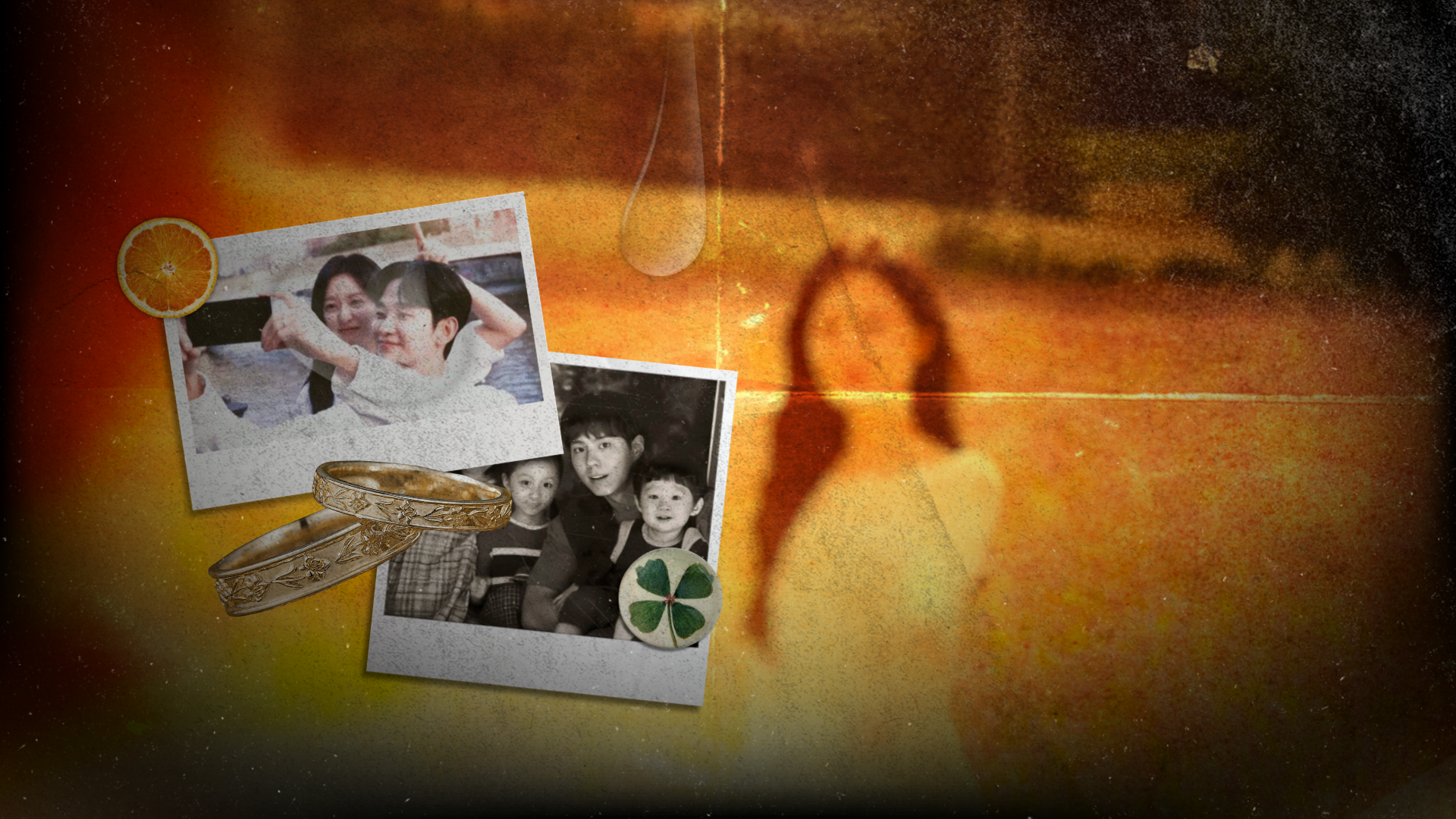
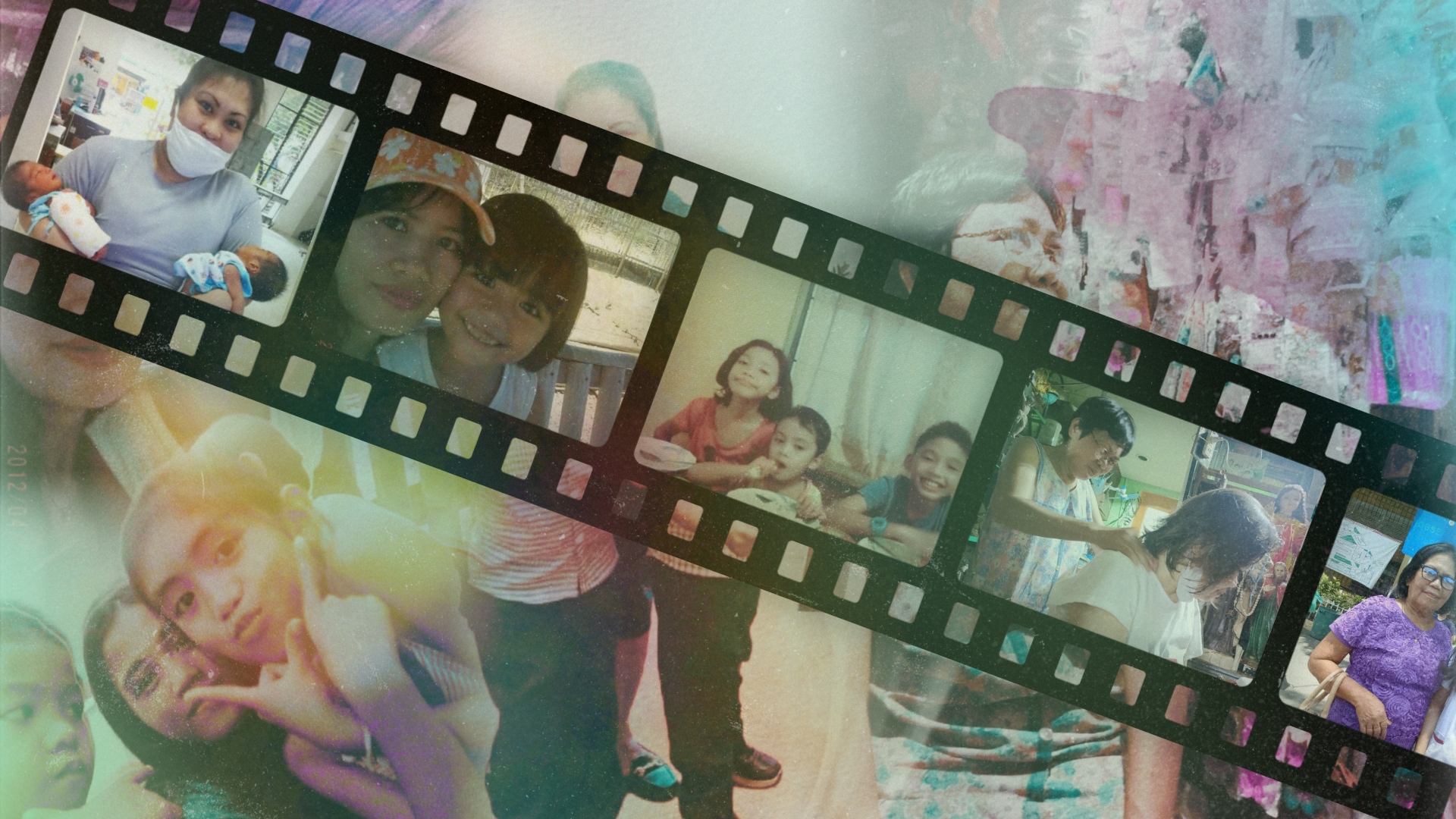
Have you ever looked at someone and wondered if when their life flashes before them, would you appear even for a second in those final seven minutes?
They say that in a person’s final moments, the mind becomes a theater of memories. For seven fleeting minutes, the soul replays the happiest fragments it once held close throughout one’s lifetime.
And I wanted to be in someone’s seven minutes.
The weight of remembering
Like an unwanted guest, grief comes without knocking, without asking for permission, and without notice.
I did not even realize that grief was already creeping inside my system, not until I felt numb and shocked. But it had already found its way to enter even the deepest chambers of my heart, making me feel all kinds of extreme emotions except happiness.
On a random Wednesday, I felt humbled. It taught me how to be all alone; to survive independently. It got better for a while, but somehow, everything always returns to square one. The feeling and the moment itself feels unfamiliar. Whenever I am alone, I remember everything that happened. I was weeping harder than my heart can handle and then suddenly, I could not cry anymore at all.
I no longer smile like the way I used to, and even the simplest things have become difficult.
With all the “move on ka na,” “magpalakas ka,” and even “wala na tayo magagawa” felt pressuring knowing that I wanted to scream and be mad. Having to suppress my emotions made me suffer silently because it’d be worse if I acted on my emotions. Honestly, it is exhausting having to carry grief alone, invisibly, without the comfort of proper mental health support.
But then I remembered what my mom always says, “Strength is sometimes only survival in disguise.”
Not everybody who looks strong truly feels strong. Some people simply become strong because they were never given another choice. That is why strength oftentimes becomes confusing, looking like anger, silence, control, or pretending not to need anybody at all — when in truth, those are the only shapes people take when they no longer know where to place their pain.
A theater of memories
We thought we got over the pain, longing, and everything already. But just one smell of their signature perfume, one beat of their most-played song, or even just the sight of their favorite color can make tears fall suddenly from our eyes.
Like how I still shed tears whenever I hear “Sway” by Bic Runga, or how frustration over something as simple as not finding a specific item can unexpectedly remind me of you. I realized that loneliness only intensifies the memory. In the silence, grief becomes even louder. It arrives during quiet mornings where I don’t have you waking me up singing “Happy Birthday” anymore, a day that lost its spark when I lost you.
Sometimes, grief hits me when I’m at school, hearing people talk about their parents makes me forcibly excuse myself to go to the bathroom — running, starting to break down without even a warning. And every single time, I ask myself, “Bakit ba paulit-ulit na lang?”
Reliving the pain over and over again eventually makes numbness feel familiar like a ghost appearing uninvited. At first, it terrified you, but after a while, you no longer react because you are now used to it, something you have learned to live with.
What grief leaves behind
Grief changes people in ways that are often invisible to others. Sometimes it arrives as destruction, tearing apart the softness a person once carries. Other times, it transforms someone into a version of themselves they barely recognize.
Pain has just a strange way of reshaping the heart. It teaches independence, not because people want to be alone, but because grief convinces them that depending on others can become dangerous.
And these are people who once gave their trust easily but now hesitate before opening up. Some become quieter, while others become colder. Grief alters boundaries, perspectives, and even the way people look at happiness, because it teaches them just how fragile everything can be.
The world begins to feel less safe, and survival becomes more important than softness. Grief forces people to grow in ways they never asked for, because there is no proper way to grieve.
Nevertheless, not all growth is meant to be beautiful, because not every kind of growth comes from something beautiful. Sometimes, growth simply means learning how to carry pain without letting anyone notice. Sometimes, it means pushing yourself to become stronger, more independent, even when you are already exhausted with everything and now just pretending to be okay.
These changes caused by grief are not gentle. They do not bloom softly like flowers, but they harden quietly like wounds learning how to close their own.
Survival in disguise
Perhaps the hardest part of grief is realizing that the loss is not always about another person. Sometimes, the deepest loss is the past version of ourselves.
Healing is often misunderstood as returning to who you once were, but grief does not work that way — it never fully disappears. Some losses permanently shape the heart, teaching it how to live beside the ache without allowing it to consume you completely.
There is a certain loneliness in accepting that your old self no longer exists. Yet, there is still strength in understanding that survival is a form of transformation, a renaissance born from pain. You do not have to always fight grief, because maybe it is something we learn to carry, something we build our lives around without letting it destroy us entirely.
Grief is not only about losing people. Sometimes, it is about mourning the version of yourself before the pain arrives. The version that enjoys quiet moments, the one who loved going out and laughing freely, and the girl who once looked at art with immense love.
To love is to endure
Grief is one of the few experiences every person understands, regardless of age, place, or background. It exists in different forms and depths, each person carrying it in a way uniquely their own.
Some grieve people they have lost, others grieve memories, lost time, innocence, missed opportunities, or even the identities they once carried within them.
Indeed, healing has never been linear, because there will always be days when the pain feels distant, and days when it returns as if it had never left at all. Still, even after the loss, people continue to live. They remember and they love again, even when they already know how deeply love can hurt when it turns into absence.
Perhaps that is why we long to matter in someone’s “seven minutes.” At the center of every grief is love — the desire to be remembered, to have once meant something to their life, to appear, even briefly in the memories they cherished the most.
And maybe, that is the most human thing we can do: to keep loving despite everything, to endure the ache while choosing to hope in fragile ways… knowing it is never easy, never certain, but still worth holding onto, even when all we have left is that tiny spark of courage to continue after one of our reasons to do so is gone.
One way or another, we are all grieving — it may be people, moments, and even ourselves. To love people, memories, and even this wounded nation is to endure pain while fighting in a hopeful way. As the starting of “Sway” goes, “don’t stray, don’t ever go away.” I felt that even though I despise the thought of grief, I wish that our memories won’t disappear into a magic hole where it doesn’t exist.