



Now Reading: Still suppressed and even oppressed
-
01
Still suppressed and even oppressed

Stela Marie Eve Militante and Francine Tosoc
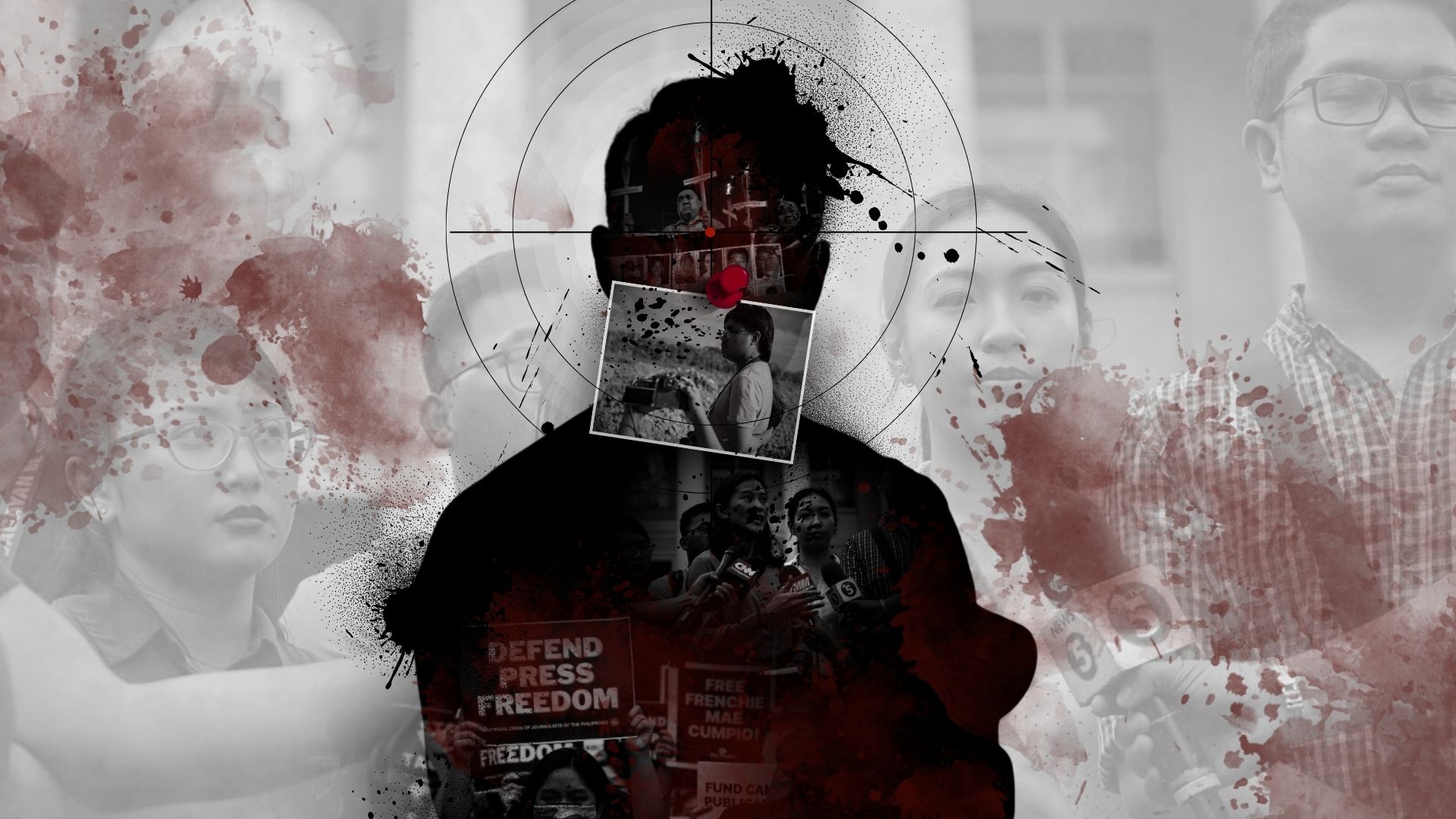
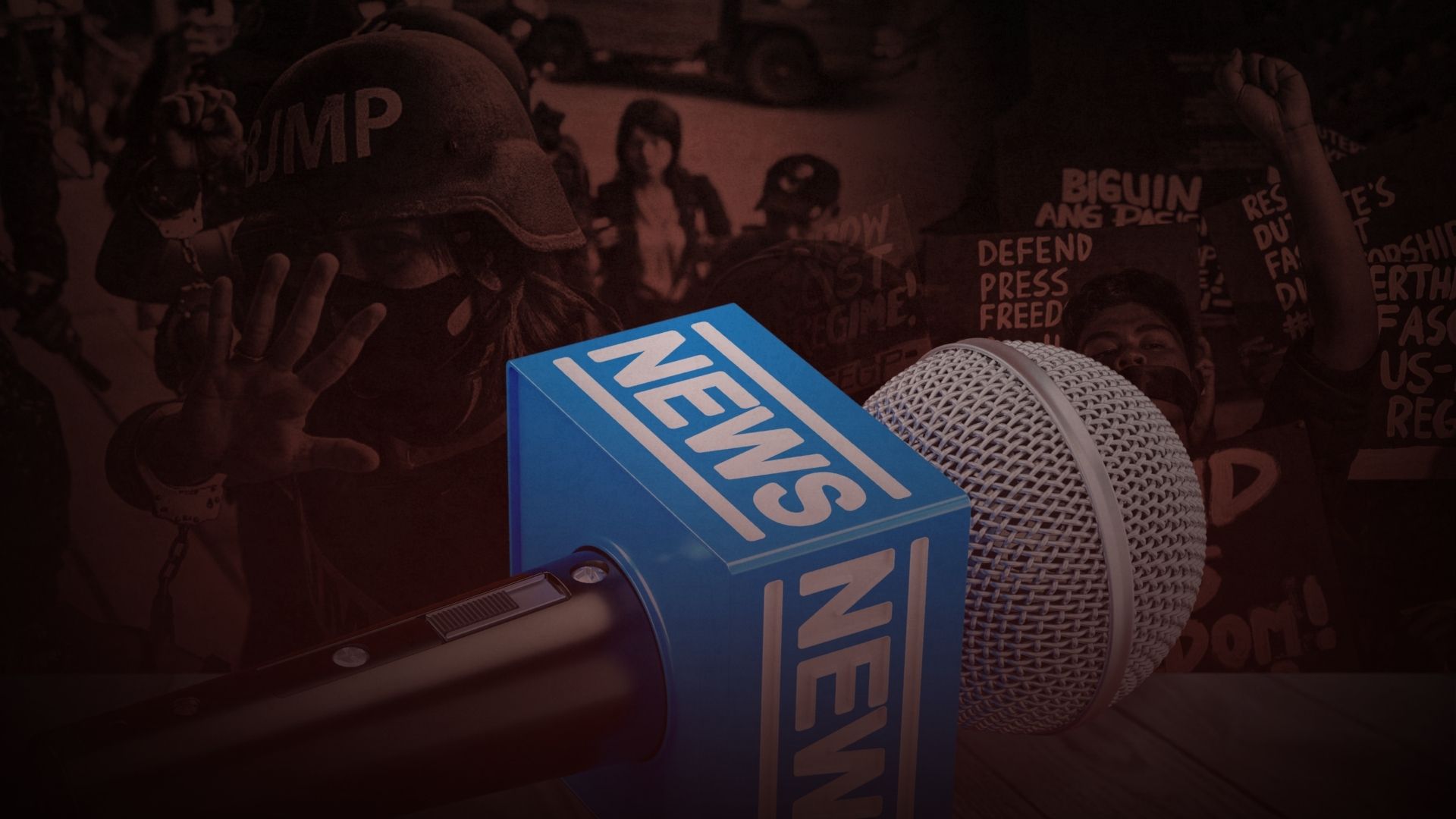
In the Philippines, truth is not merely told with ink but it is also written with blood. Because even if the world celebrates press freedom annually, it remains a right that journalists have to defend, fight, and bleed for throughout the pages of history.
Still, they write and speak on the edge of fear and on the brink of death. Their names do not linger in bylines alone, as it is also found in warnings, threats, and in memories of those who dared to expose what others tried to bury.
Telling the truth becomes not only a duty but a risk taken again and again despite knowing exactly what it could cost, including their own lives.
Press freedom continues to erode
Beyond lived experiences, global indicators reveal that this climate of fear is neither isolated nor imagined.
According to the latest World Press Freedom Index released by Reporters Without Borders (RSF), this year’s average score has been the lowest in the past 25 years. More than half of all countries are now classified as having “difficult” or “very serious” conditions for press freedom.
The index evaluates countries across five key indicators: pluralism, media independence, legislative framework, transparency, and the safety of journalists. And in the country, each of these indicators has barely a reasonable score – proving that Filipino journalists are already experiencing constant pressure, constraint, and risk.
The organization also labeled the Philippines as one of the most dangerous countries in the world for journalists, as it remains in the lower half of global rankings, still classified under a “difficult situation” for journalism. While we may have risen two places from 116th to 114th out of 180 countries, we can barely see any improvement; in fact, current reports related to the press are even more concerning.
What makes it more difficult and more alarming is that the threats are no longer confined to extreme or isolated cases. Legal pressure, for instance, has increasingly been used not only as a mechanism for accountability, but also as a tool for intimidation. Libel cases, regulatory scrutiny, and prolonged court processes create an environment where the cost of reporting extends far beyond publication.
Even in digital spaces, which seen as an avenue for democratized expression, has evolved into another front vulnerability. It has become another place for harassment, disinformation campaigns, and targeted attacks against journalists, with the lines being blurred between criticism and coercion.
Pressing for a freer press
From typhoons that tear through entire communities in a matter of hours to the storms of corruption and injustice that linger for years, journalists are often the ones who arrive when everything is already falling apart.
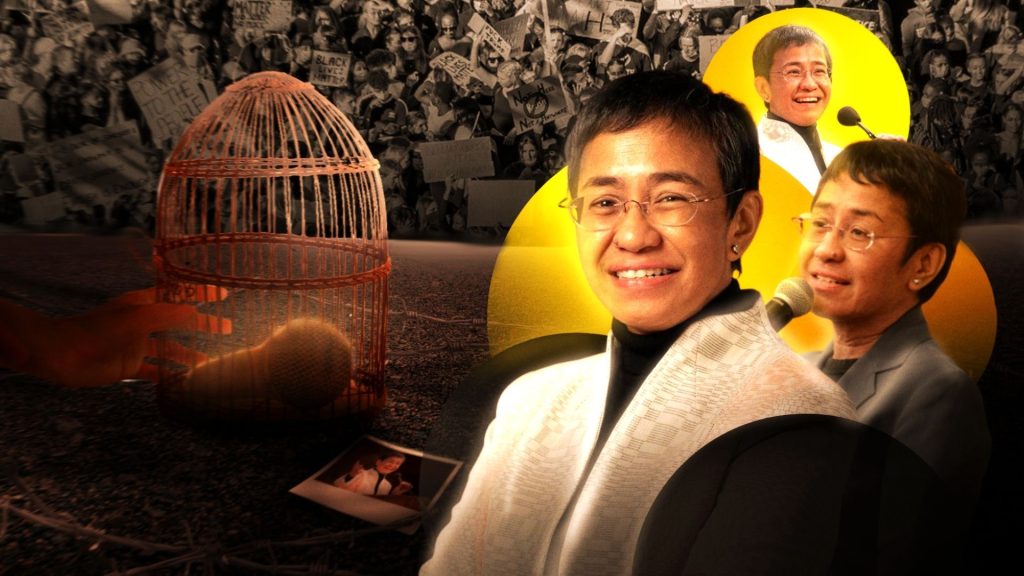
Like Atom Araullo who stands in the middle of a typhoon not to chase the storm, but to show what it leaves behind. Like Kara David who tells stories that feel less like reports and more like lived truths of the Filipino people. Like Emil Sumangil who follows the threads of controversy until they unravel into clarity. Like Karmina Constantino who asks questions sharp enough to cut through rehearsed answers. And like Maria Ressa who continues to shed light on hard truth — proving that in a world determined to silence, journalism persists not just to inform but to confront, expose, and give voice to the people it serves.
Because when everything is uncertain and when noise tries to drown meaning, it is their work that makes the truth harder to bury and impossible to ignore.