





Now Reading: When truth-telling means you’re an ‘NPA’
-
01
When truth-telling means you’re an ‘NPA’

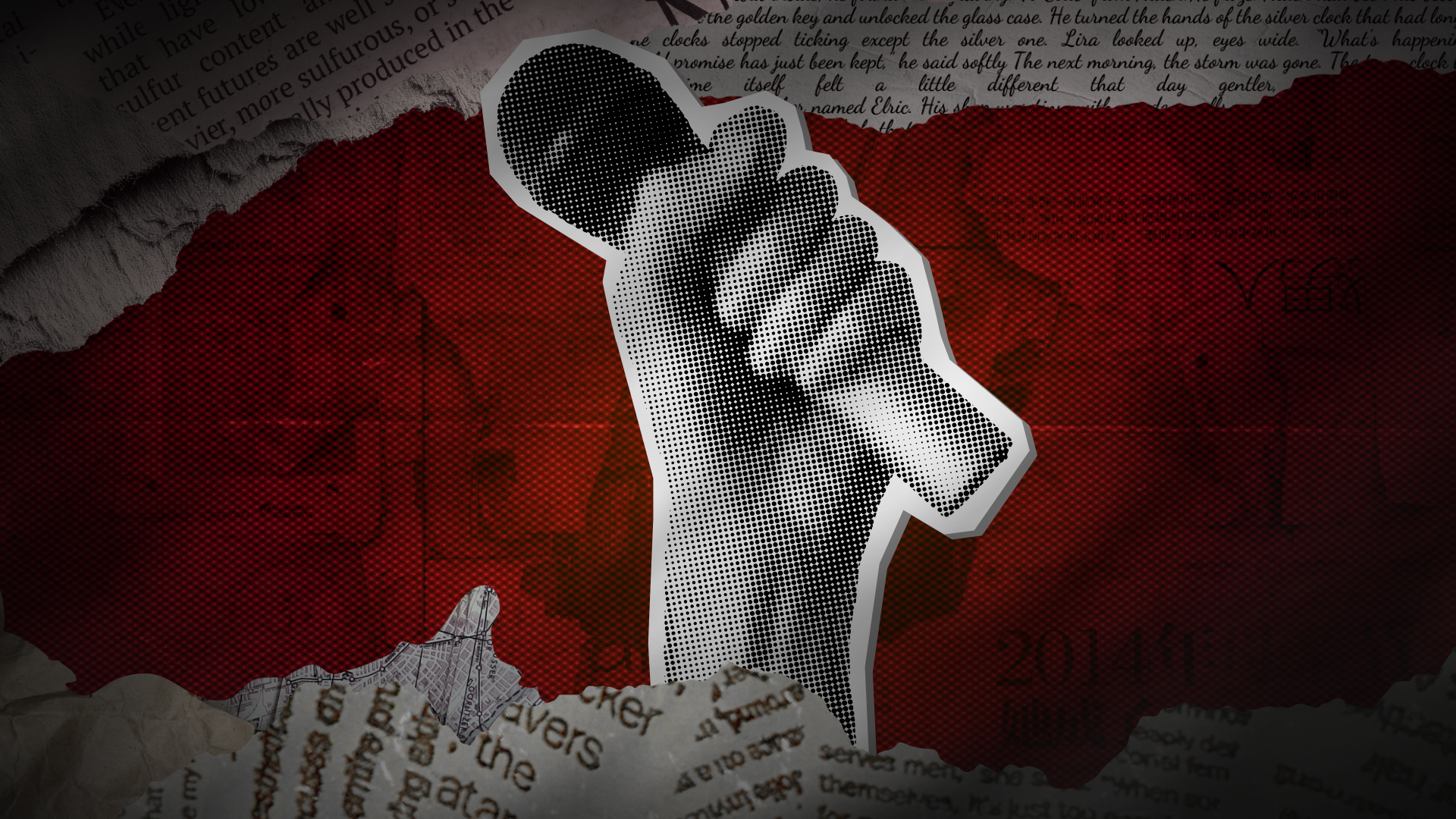
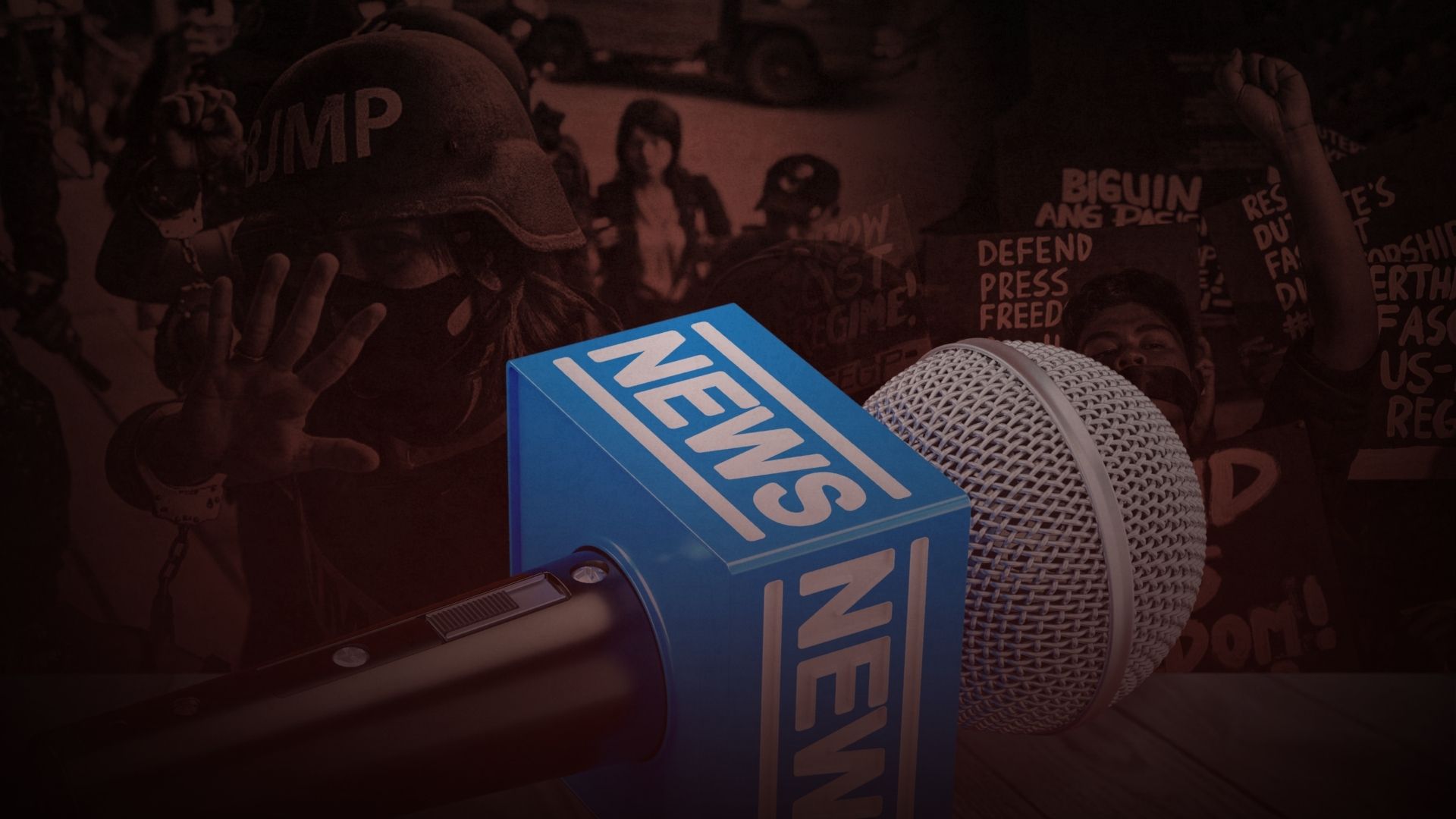
On a day when World Press Freedom is celebrated, the reality of journalism is that it is often labeled as terrorism. The practice of improving freedom for the press is at a turtle’s pace, yet the practice of labeling journalists and the media as members of the New People’s Army (NPA) is one that never seems delayed.
Who’s afraid of the truth?
Telling the truth can be enough to make you a target. This is the constant fear that journalists and media watchdogs carry, walking the thin line between sharing stories and offending a powerful propaganda machine.
Clearly, World Press Freedom is celebrated today but can be treated as terrorism tomorrow. Under a democratic country such as the Philippines, the Constitution gives way for journalists to speak up without censorship, yet in practice, some are labeled in red and branded as enemies of the state even without sufficient evidence.
Journalists can deny the red tag, but denial can never evade an open invitation to be killed in broad daylight. Every report shared is a person helped, but when did sharing become a test of whether you make it home alive or not?
The danger is not accidental because as the truth-tellers are silenced, reality itself is rewritten according to who controls the truth.
One label is all it takes
Red-tagging is used to describe people or groups as members of the NPA, a communist group that aims to achieve power in the Philippines through violence.
Authorities have used red-tagging as a tool to incite fear and intimidation among groups who often exhibit political inhibitions that are leaning towards the left or ones that put up peaceful protests.
For instance, Frenchie Mae Cumpio’s arrest is one of many in which she was charged with illegal possession of firearms and explosives. This is mere days after she reported to the Center for Media Freedom and Responsibility that her team in Leyte had been under surveillance.
While those in power marked her as a rebel leader with finality, the National Union of Journalists of the Philippines names it as an attempt to silence and control the media. And in cases like Cumpio, the truth is no longer determined by evidence alone but by who has the authority to override it first.
Cumpio’s arrest is not isolated, as Deo Montesclaros also faced the same for terrorism. In 2025, the Northern Cagayan Provincial Prosecutor’s Office said he allegedly gathered supplies for armed rebels in 2018.
However, as he served as a community journalist like Cumpio, it shows that investigative journalism in hard-to-reach areas is often associated with supporting the NPA, making them vulnerable to legal harassment.
Moreover, as Montesclaros was also first red-tagged in 2020 over his coverage of the government’s response to the COVID-19 outbreak, it suggests that even crisis reporting can trigger red-tagging.
It is a repeating pattern that accusations of being an NPA member are often enough to turn individuals into armed threats in the public eye, though without further investigation. In fact, another epitome is Leonardo Vicente “Cong” Corrales of the Mindanao Gold Star Daily.
In Cagayan de Oro, an anti-disinformation group identified several perpetrators behind red-tagging attacks against Corrales, with at least one account traced to a government establishment. This campaign paved the way for him and his family to face persistent online harassment and security threats, even forcing him to leave his home city in fear.
And just like Montesclaros during the COVID-19 pandemic, Corrales was also targeted after reporting on a community pantry.
Over time, the public has been conditioned to accept NPA labels before deeper investigation, even when it is just journalists who are doing their jobs.
At what cost?
From July 1, 2022, to April 30, 2025, the Center for Media Freedom and Responsibility (CMFR) recorded 184 cases of attacks and threats against media workers, which exceeded the record of 128 under Rodrigo Duterte. Of these 184 cases, 78 or 42%, involved state actors:
- 85 cases of intimidation
- 48 cases of red-tagging
- 33 cases of harassment
- 19 instances of surveillance
Other than this, 13 journalists also faced cyber libel charges, while 10 received death threats. But the grave reality is that these are not just numbers but actual people who are being watched and threatened.
Under the Marcos Jr. Administration, the Committee to Protect Journalists reported zero work-related journalist deaths in 2024. But zero killings is barely any proof for press freedom.
The moment people stop listening
Fighting for the people who would easily accept you as an enemy of the state is not for the weak. Yet, journalists continue their advocacy, despite the risk and doubt.
Red-tagging goes beyond just labeling, and the cases of Cumpio, Montescarlos, and Corrales reveal how easy it is to frame reporting as rebellion. But more than this, it also shaped the public to often view journalists who question authority not as allies but as members of the NPA.
Being called ‘NPA’ is all it takes for the people to stop listening and for the truth to stop mattering.