







Now Reading: Tides we have forgotten
-
01
Tides we have forgotten

As the nation is shackled by storms once more, we get to recall yesterday’s anomalies.
Exactly a year ago, no one would have expected that a call for transparent infrastructure spending would rapidly turn out to be an unravelling of one of the biggest corruption controversies in the country. As of today, we have yet to grasp accountability for this.
According to the Philippine Atmospheric, Geophysical, and Astronomical Services (PAGASA), reports of the Southern Monsoon in our country have gravely affected provinces and cities in the regions of Luzon and areas of Western Visayas.
As ironic as it is, the seasonal “Filipino resilience in the middle of a storm” narrative returns for another chapter. And yet, we cannot help but ask: what ever happened to the sweet promises of a dry nation under the heavy rainfall that we once heard from our own public servants?
In the fourth State of the Nation Address (SONA) of President Ferdinand ‘’Bongbong’’ Marcos Jr. on July 28, 2025, he ordered the Department of Public Works and Highways (DPWH) to submit an audit and list of all flood control projects implemented in the past three years.
However, it quickly escalated into an investigation of anomalies in budget expenditure for flood control projects, as an inspection in Bulacan unveiled an oddity that appeared when a flood mitigation project was officially marked as ‘’complete’’ despite its ubiquitous deficiencies.
Following an order from Marcos to blacklist contractors behind defective and anomalous flood control projects, the DPWH was held responsible for negligence, and its officials were held accountable for awarding contracts left in disarray.
To begin with, these circumstances would have been prevented if not for administrative ignorance. Precautionary measures are a prerequisite, and yet we are forced to submit to governance that sugarcoats defectiveness as an achievement. It seemed like the budget to barricade storms that flood the impoverished was a sheer paperweight to those officials in control over the projects.
As an investigative body, the Senate Blue Ribbon Committee, tasked to promote public accountability above all means of corruption, and previously chaired by Senator Rodante Marcoleta, started its inquiry into the flood control projects in August 2025.
In the midst of the investigation, DPWH Secretary Manuel Bonoan admitted that there were prior ghost projects, claiming he only knew of the anomalies recently. Bonoan later resigned as DPWH Secretary on August 31, 2025. Subsequently, Transportation Secretary Vince Dizon took over as the new chief.
It is undeniable that Bonoan’s resignation in the face of investigation is an aggravating excuse to stray away from taking accountability for his negligence and indifference to the ghosts of the department he led. Meanwhile, an impoverished group of Filipinos is forced to submit to resilience amid storms without the premium of an exit ticket.
With DPWH being funded the highest budget allocation in 2025 at an astounding P1.007 trillion, tasked with building formidable infrastructure nationwide, we cannot expect progress when we are led by passive pawns that quit when their dignity is threatened.
In line with the investigation of the Senate Blue Ribbon Committee probing the involved contractors taking projects nationwide, an audit presented by President Marcos Jr. showed that these companies cornered roughly P100 billion solely for flood management. A big budget for a supposed significant change without notice of where it is now.
Meanwhile, out of fifteen contractors revealed in the audit, only five (5) of said contractors, namely Legacy Construction Corp., Alpha & Omega Gen. Contractor & Development Corp., St. Timothy Construction Corporation, EGB Construction Corp., and Road Edge Trading & Development Services, had projects in almost every region.
Among the fifteen, St. Timothy Construction Corporation attracted the spotlight for withdrawing from allegedly being related to a controversial firm named St. Gerrard Construction, owned by former Commission on Elections contractor Sarah Discaya.
At this juncture, Discaya appeared before the Blue Ribbon Committee with her husband, Curlee Discaya, a fellow flood control contractor like his wife.
The Discaya couple was known for displaying a lavish lifestyle. So much for luxury, to the point that the Bureau of Customs raided their compound to seize their luxurious vehicles. Along with this, the Philippine Contractors Accreditation Board revoked the contractors’ licenses of nine companies owned or controlled by the Discayas.
When the wealth is funded by the public, it becomes a ridicule to flex. The value of extravagance rots when you fail as a public servant, in this case, responsible for preventing people from losing their lives in storms. This is when the wrath of the people slowly awakens.
Later on, Sarah Discaya was arrested for graft and malversation while Curlee Discaya remained detained in Senate custody; both of them were charged with similar crimes under non-bailable conditions.
Unfortunately, the spoiled partner-in-crime fantasy of the Discayas could not bear the weight of the consequences for their sins. In a systemic issue like the flood control controversy, tumbling down tycoons and punishing culprits are vital in pursuit of securing transparency and accountability in a government run by impunity.
Apart from the Senate Blue Ribbon Committee, President Marcos Jr. issued an executive order to form an independent three-member commission to probe anomalies in infrastructure projects, named the Independent Commission for Infrastructure (ICI).
The members assigned by Marcos, namely Former Supreme Court Justice Andres Reyes as chairperson, Rogelio L. Singson and Rossana A. Fajardo as members, along with Baguio City Mayor Benjamin Magalong as special adviser, took the oath under the Constitution.
In a disappointing turn of events, the commission was destined to fail due to a sequence of resignations, beginning with Baguio City Mayor Benjamin Magalong withdrawing as special adviser, while the commissioners Singson and Fajardo stepped down due to circumstances that limit their constitutional duty, such as health concerns.
With consecutive resignations, ICI Chairperson Andres Reyes is left as a lone survivor. Inevitably, the commission had to end its operations on March 31, 2026.
Similarly, in the House of Representatives, House Speaker Martin Romualdez resigned as well. Amid the implication of Romualdez in corruption allegations involving flood control projects, he was subsequently replaced by Isabela Sixth District Representative Bojie Dy III, which became a contentious subject in public discourse.
On the brink of disasters, we cannot afford public servants failing in their sole duty to protect the people. While the administration had its fully fledged promises well-said, it ended up being a no-show. All of this drama is too costly for the people on the ground suffering from the grave conditions politicians deliberately ignore.
In a historic culmination of simultaneous investigations, resignations, exposing the lingering errors in government procurement, pinpointing high-profile cases, and leadership instability, the enragement of the Filipino people has reached its summit, translated into a nationwide protest demanding transparency and accountability.
On the 21st of September, 2025, the Trillion Peso March set the stage for the overwhelming frustration of the citizenry over the large-scale corruption in our government. Political differences did not matter. Our protest came out of spite in the aggravating comfort of those above us. Nevertheless, we did not just come for rage; we came in hopes that our leaders would listen to our grievances.
Under the jurisdiction of the Marcos administration, the new DPWH Secretary Vince Dizon promised the nation that “big fish” or prominent culprits would be jailed before Christmas. Conversely, the chronicles of the flood control mess have ever since been buried in the headlines.
But then again, a plethora of questions haunt the nation:
WHERE are the flood control projects today?
WHEN will we ever see justice promised yesterday?
WHY do we continue to drown in the depths of water until tomorrow?
Notice that these sentiments are left unanswered as if a kiss in the wind, merely treated with puny responses by public officials that threaten our trust in the administration.
At this point of rewinding back in time, it would seem like nothing has changed in our government for decades, and it is unbearable enough that they can only feed us disappointments.
The depressing reality for the common Filipino is the burden of feeling powerless, submitting to getting used to their homes sinking in floods, and fearing the becoming of storms; while the upper hand is liberated to lavish in comfort above the heights.
In concerning commonly devastated areas in the country such as Bulacan and Pangasinan in Luzon, Leyte in the Visayas, and Maguindanao Del Sur in Mindanao, it should not be surprising that the government encounters retaliation when communities pay the price of impunity.
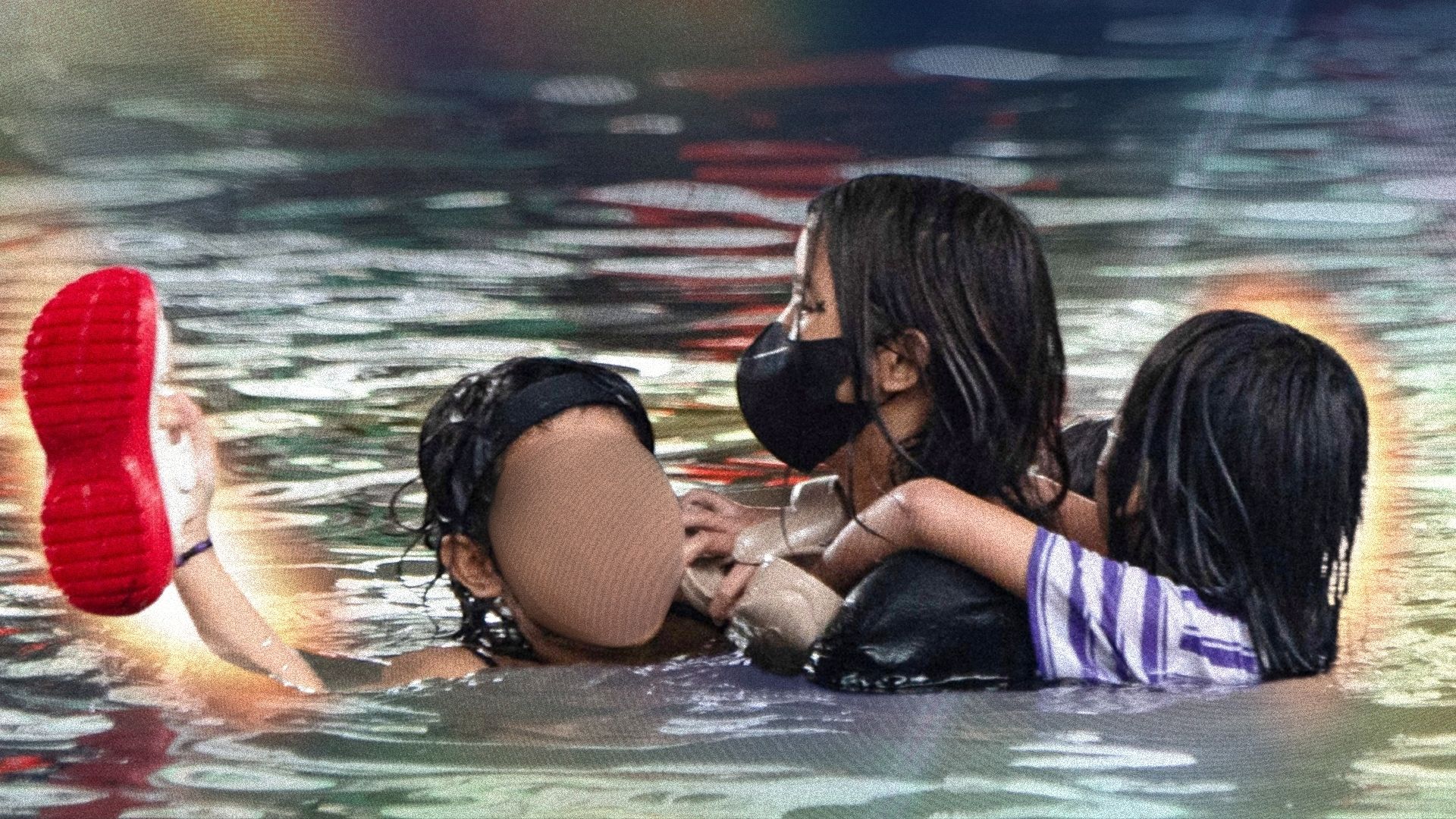
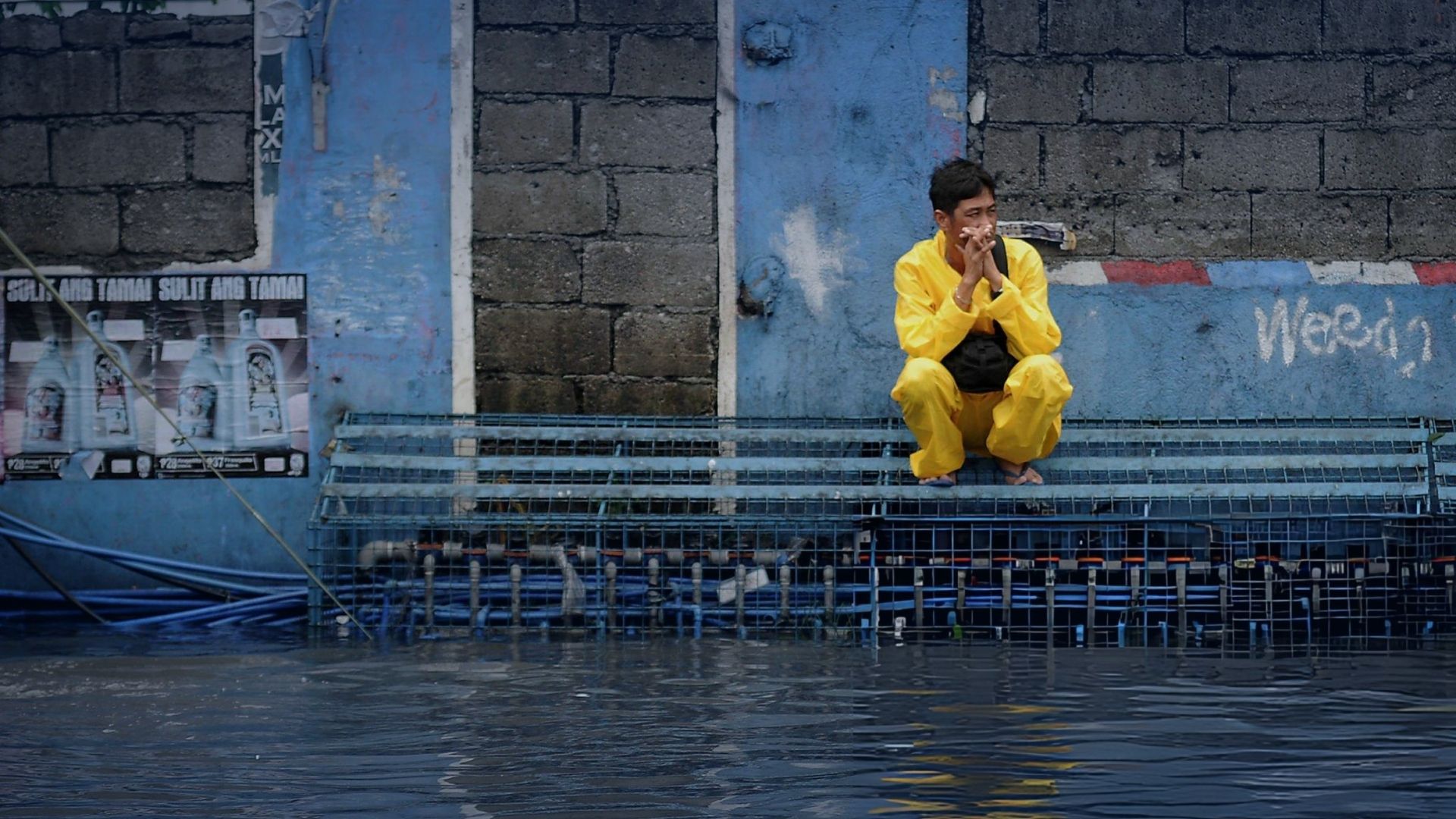
Just as highly vulnerable provinces exist, we could even witness the cosmopolitan region of Metro Manila being immensely affected by floods; whereas slums are drenched in polluted water from overflowed sewers, transportation becomes a struggle as streets turn into rivers, and daily life deteriorates with an administration lacking in action.
Nonetheless, we must not bow down to defeat. Each battle we have conquered is anchored in hope, which has led to significant changes channeling the betterment of our people, being the relentless pursuit of speaking up amidst the noise that silences our voices.
‘’Dum vita est, spes est; while there is life, there is hope.‘’
Nothing can amount to the torch of hope passed down to generations in our nation. In spite of the headlines rapidly changing, we only forget stories we consume—not the ruins in the aftermath of the annual cyclones that affect the people nationwide.
The horror of forgetting about the flood control scandal is not just a matter of narrative significance; it is paramount to ensuring the descendants of our nation do not have to feed on remnants of the past we had to endure and surpass.
And yet again, we are reminded of the tides we have forgotten.
In the long run, as the nation is shackled by storms once more, we get to recall yesterday’s anomalies. Preserving the archipelago does not end in epic tales of our tainted history. Thus, it is the collective willingness of the people to participate in the means of moving forward through the struggles that go beyond us.