





Now Reading: ₱10,000 hospital bill can push most Filipino families into debt, study finds
-
01
₱10,000 hospital bill can push most Filipino families into debt, study finds
₱10,000 hospital bill can push most Filipino families into debt, study finds

As the season of celebration looms around, will there be laughter shared with a feast on the table—or distress brought by medical emergencies?
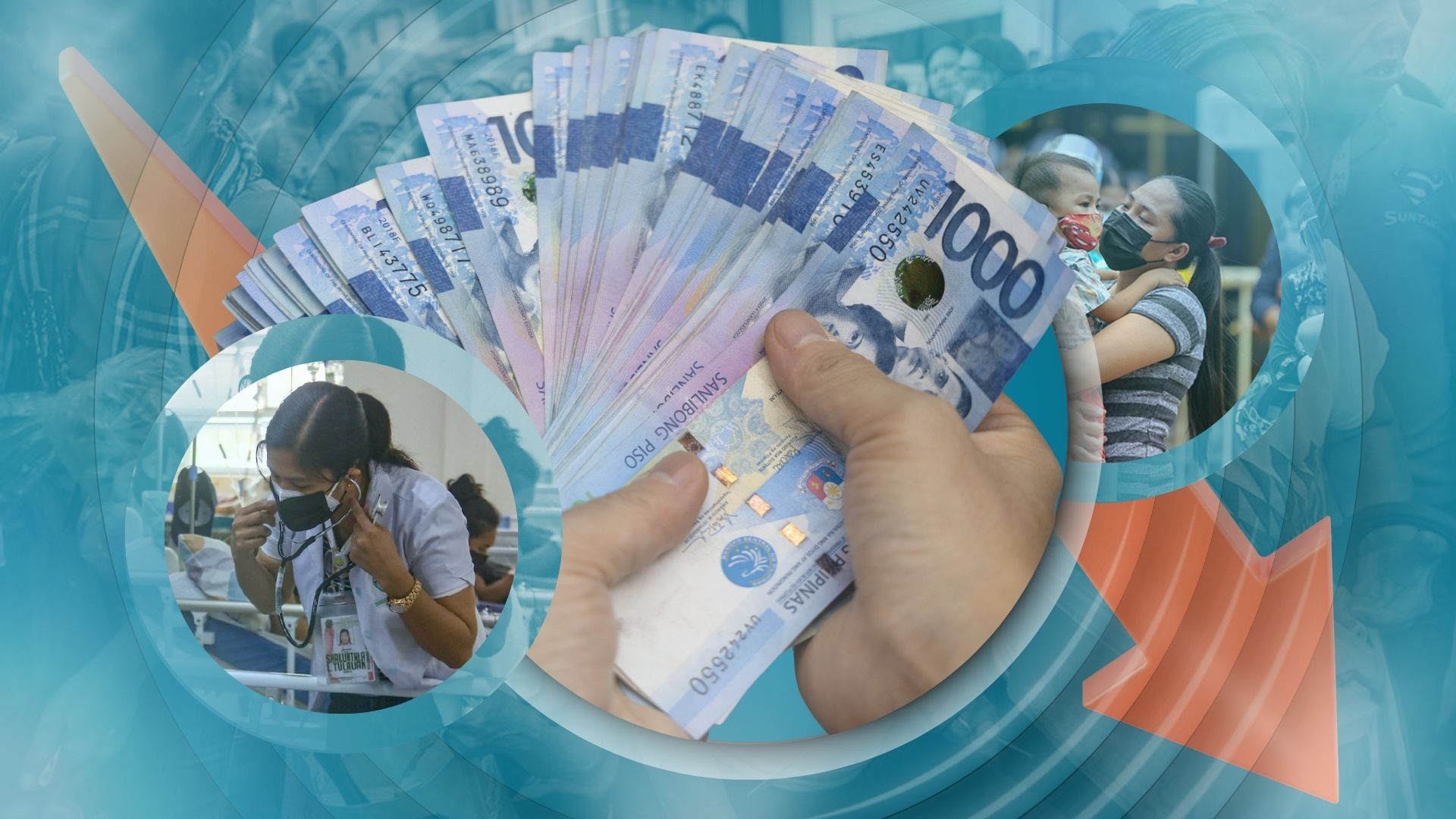
For many Filipino families, planning for joy now comes with a shadow calculation: how much sickness they can afford. A new nationwide study by the Boston Consulting Group (BCG) shows that medical expenses remain one of the most powerful triggers of household debt in the Philippines, with a ₱10,000 bill enough to indebt the majority of Filipino families.
The study, The Filipino Family, surveyed 1,515 households nationwide, representing 6,387 individuals across regions, income groups, and household types. Its most striking finding: 64 percent of Filipino families cannot pay a ₱10,000 hospital bill out of pocket without borrowing money or relying on insurance. Researchers note that this amount barely covers one night of hospitalization plus basic doctor’s fees.
“Most families are just one healthcare emergency away from falling back into poverty,” BCG principal and co-author Lance Katigbak said, warning that even short hospital stays can erase years of progress.
The price of getting better
With health costs in the Philippines arriving suddenly and in full, while income remains fixed and slow-moving, the mismatch creates what researchers describe as a “financial shock,” where even treatable illness becomes economically destabilizing. As the season of holidays arrive, will these families still experience the warmth of the celebration?
The study found that seven in ten families now rank financial preparedness for health emergencies as their top priority, overtaking goals such as education, homeownership, and long-term savings. In this hierarchy, celebration becomes optional—health survival does not.
BCG also noted that the financial burden is much heavier for vulnerable households. Solo parents, single-income families, and “sandwich” households supporting both children and elderly relatives have less flexibility to absorb medical costs. In these families, the circumstances of hospitalization takes longer to cope with—and as financially burdened they become from previous or foreseen shocks, the promise of a joyful season grows thinner.
Survival is shared, so is the risk
On the other hand, the culture of giving among Filipinos is not solely for the holidays. The study also found that medical emergencies were never an independent concern, but a communal matter.
“Filipino households are complex, collaborative ecosystems. Understanding them requires moving beyond the individual lens. Whether it’s a purchase, a savings goal, or a family dream, the Filipino approach is always ‘ours,’ never just ‘mine’,” Julian Cua, managing director and partner at BCG Manila and co-author of the study, shared.
Even miles away from home, BCG revealed that Overseas Filipino Workers (OFWs) play a crucial role in this system. More than 50 percent of OFWs remain actively involved in household decisions, and their remittances account for up to 75 percent of total household income in some families, often serving as the main buffer against hospital bills. In many cases, money meant for homecomings or gifts is quietly rerouted to cover care.
Katigbak also cited a case where families raised over ₱700,000 for treatment, shelving travel plans and long-term goals in the process. In this case, cultural solidarity becomes a financial vulnerability instead of a driving force toward growth. When the system falls short, the holiday is no longer a date—it becomes a cost.
Safety net goes unseen
The Department of Health (DOH) acknowledged the study’s findings but emphasized that many Filipinos overlook existing protections. DOH spokesperson Assistant Secretary Albert Domingo stressed that PhilHealth functions as a collective health insurance system funded by millions of contributors.
“Ang PhilHealth parang HMO kasi ’yan,” Domingo said, noting that many families remain unaware that the government provides health coverage at an affordable price. He added that zero-balance billing is available in DOH-run hospitals for patients in basic accommodations, meaning eligible patients should not pay out of pocket.
In addition, while nearly 90 percent of families believe regular medical check-ups help save money in the long run, far fewer actively seek preventive care. Instead of spending on routine check-ups, money at hand goes to matters requiring immediate attention. Despite their belief, the system still ends on seeking treatment when illness becomes more complex—and more costly.
As gatherings fill calendars and homes prepare for moments of togetherness, the study implies that for many families, peace is provisional. It lasts only as long as no one gets sick. Until health systems can better shield families from sudden costs, many celebrations will remain fragile—held together by shared sacrifice and shadowed by the price of getting sick.