










Now Reading: 1 in 4 Filipino teens off-track in school by 18; study links cause to early life deficits
-
01
1 in 4 Filipino teens off-track in school by 18; study links cause to early life deficits
1 in 4 Filipino teens off-track in school by 18; study links cause to early life deficits

Sam Benedicto
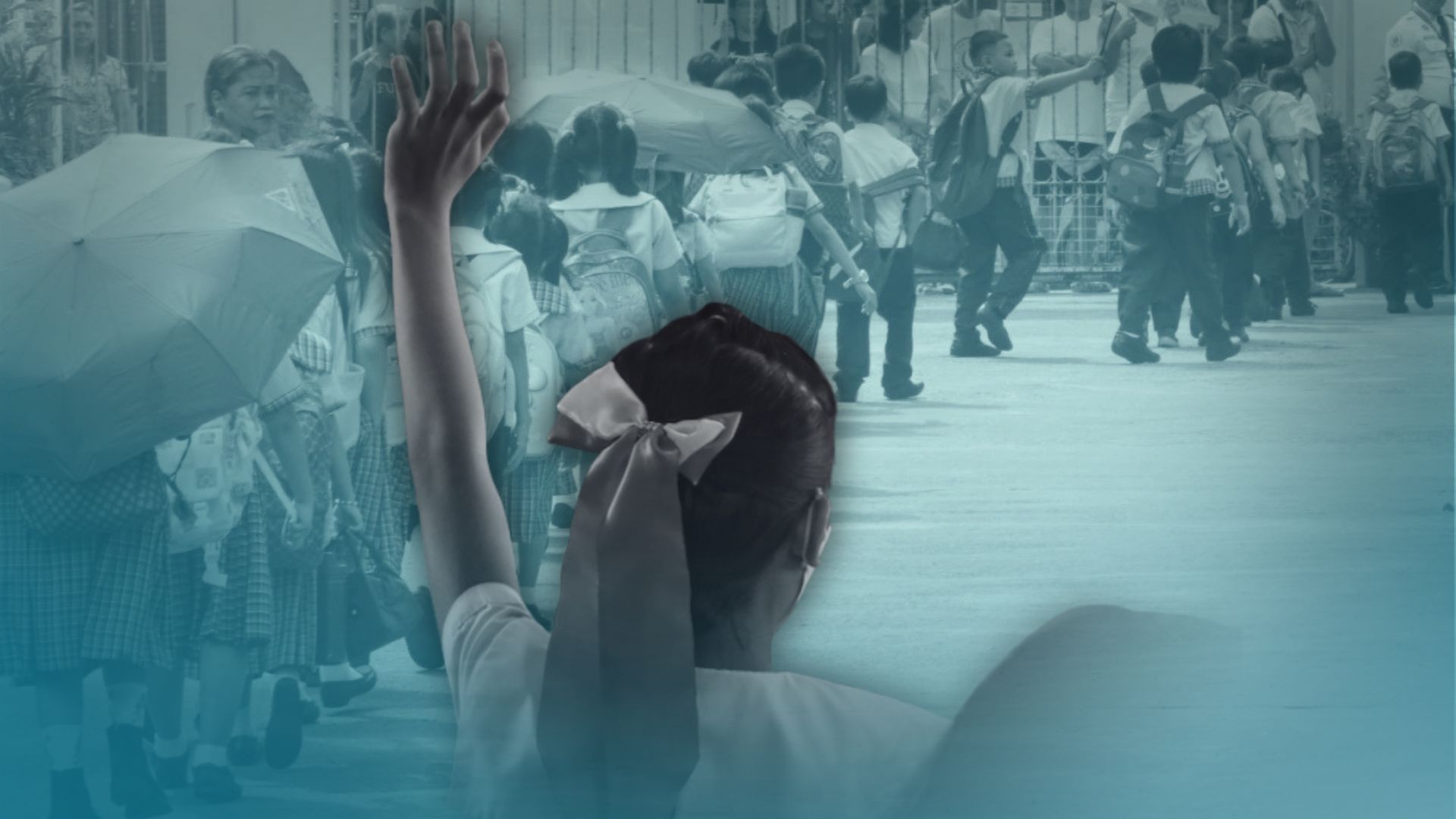
Nearly one in four Filipino adolescents fall behind in education by the age of 18, according to the Longitudinal Cohort Study on the Filipino Child (LCSFC).
The study revealed that early setbacks, including malnutrition, poverty, mental health issues, and early exposure to work, erode educational gains through adolescence.
Designed to provide insights into key development priorities for the Philippines, the study follows the same group of Filipino children aged 10 in 2016 until 2030.
Among the tracked children, 15.8% already had prior work experience by the age of 10, while nearly a third were stunted.
90% of the participants were on track at age 10, but dropped to 82% at age 15, then further to roughly 75% by age 18.
While school enrollment remained relatively high, researchers noted that staying in school does not necessarily correspond with learners progressing on time.
“Only 76% are progressing on time. Meaning, nearly one in four adolescents has fallen behind because of late school entry, missed years of schooling, or grade repetition,” said Education Undersecretary Rafaelita Aldaba.
Lead investigator of the study Dr. Judith Borja stated that childhood experiences continue to shape opportunities and outcomes later in life.
Males were found to be more likely to withdraw from learning due to financial pressures and early work exposure, while females face vulnerabilities tied with teenage pregnancy and early unions.
Disparities were also observed among adolescents living in geographically isolated and disadvantaged areas, Indigenous communities, conflict-affected communities, and persons with disabilities.
Mental health also emerged as a concern, as clinical anxiety among adolescents aged 13 to 15 reached 16.6% during COVID-19 lockdowns.
“More often, vulnerabilities intersect and accumulate over time,” said United Nations Population Fund (UNFPA) Country Representative Neus Bernabeu, adding that early disadvantages could reinforce one another and significantly shape outcomes.
Favorable early-life conditions, including good nutrition, supportive family environments, strong cognitive development, and access to early childhood education, were associated with better educational results.
LCSFC Consultant Dr. Alejandro Herrin noted that educational outcomes often mirror broader realities, including nutrition, health, family support, social protection, and economic conditions.
“The life course perspective highlights the imperative that success in one life stage should not be negated in the next, and that initial disadvantage at an earlier stage should be compensated at the next,” Alejandro said.
He emphasized that the well-being of today’s adolescents will shape the productivity, health, and social wealth of the country, underscoring the need for sustained investments throughout childhood and adolescence to prevent early disadvantages from carrying over into adulthood.