









Now Reading: How algal blooms erase memories
-
01
How algal blooms erase memories

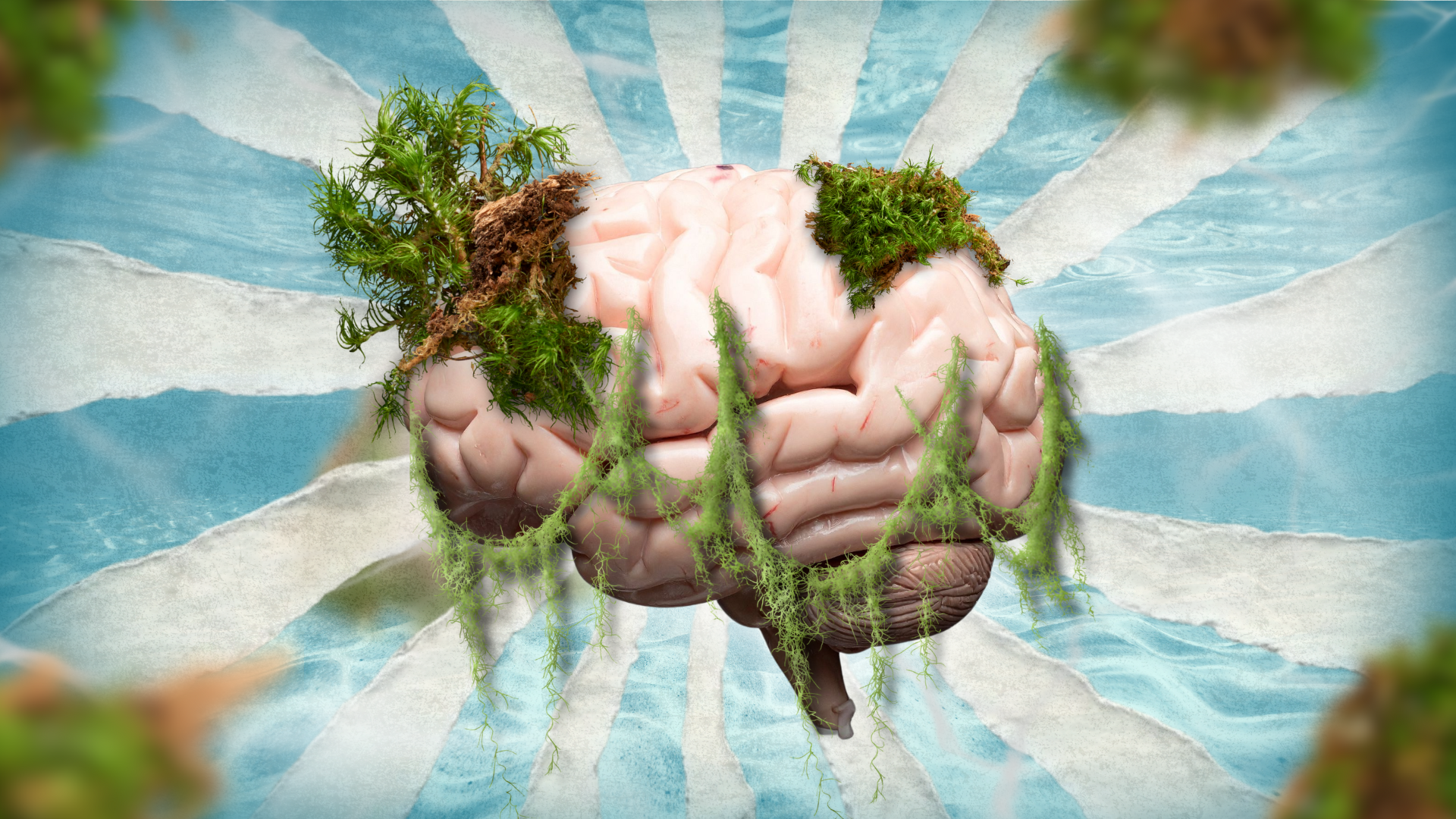
Blooming with beauty, algae are known as the aquatic world’s architects, providing shelter and breeding grounds to marine animals.
However, beneath the green allure lies a doom like no other— toxins ready to erase memories. Scientists from the United States (US) have discovered that aquatic creatures, like dolphins, may be losing their memory, and the culprit is not old age— it is these algae.
The scientists uncovered that cyanobacterial toxins, produced by algae, resulted in severe brain degradation among these flippers that consume trace amounts of algae, underscoring the impacts of climate change on the growth of algae.
“Climate warming is one factor increasing the severity of harmful algal blooms (HABs),” said in the team’s study.
BOOMING BLOOMS
As global temperatures boom, so does the population of these blooms.
The heightened temperature due to climate change allows for the warming of waters, inviting HABs to thrive and multiply in such waters.
However, it is not only the climate that affects the proliferation of HABs. Anthropogenic activities have led to increased agricultural and industrial runoff, filled with chemicals that further help in breeding HABs.
Furthermore, factors like light, salinity, and pH levels also contribute to their intensity, but none compare to the accelerating effects of human-induced warming and pollution.
The National Institute of Environmental Health Sciences (NIEHS) warns, “HABs can damage the environment by depleting oxygen in the water, which can kill fish and other living creatures.”
With a green display on coastlines, HABs pose a major threat to suffocating marine life and injecting toxins into the food web.
HAB-ITAT FOR DISASTER
In a study from Brain Chemistry Labs, researchers examined the brains of dolphins stranded along US coastlines, where traces of β-methylamino-L-alanine (BMAA) were found, a cyanobacterial toxin produced by HABs.
The discovery was alarming, as dolphins exposed to these toxins showed Alzheimer’s-like brain damage.
“The cyanobacterial toxin BMAA and related isomers, known as 2,4-DAB and AEG, have been found to be extremely toxic to neurons,” the lab reported.
Once inside the brain, BMAA acts like a stain that would not wash out, disrupting neural connections and causing memory loss.
However, another shocking discovery was found—dolphins and other aquatic creatures are not the only victims of this.
Individuals living near coastal areas in Guam who ate animals, like fish, containing these toxins triggered neurological issues in the consumers.
Thus, what happens in the water does not stay there—it travels, mutates, and, eventually, returns to mankind.
SEA THE BIGGER PICTURE
The team’s breakthrough is not a sob story for these aquatic creatures but a blessing in disguise.
Despite the negative effects HABs harbor, the study unveils more risk factors, like cyanobacterial toxins, in the development of neurological diseases like Alzheimer’s.
Dr. David Davis at the Miller School of Medicine, in an interview with BrainChemistry Labs, said, “Although there are likely many paths to Alzheimer’s disease, cyanobacterial exposures increasingly appear to be a risk factor.”
The researchers emphasized that these findings expand the current understanding of how environmental toxins may contribute to neurological deterioration across organisms.
Ultimately, it is within these marine animals that holds the salvation for further discoveries in science, technology, and health.
With this link between HABs and brain damage, it posits a cruel reality—it is important to see the bigger picture, where some things that bloom bring doom.