










Now Reading: DepEd to revamp SHS tech-voc track towards ‘real’ industry needs
-
01
DepEd to revamp SHS tech-voc track towards ‘real’ industry needs
DepEd to revamp SHS tech-voc track towards ‘real’ industry needs

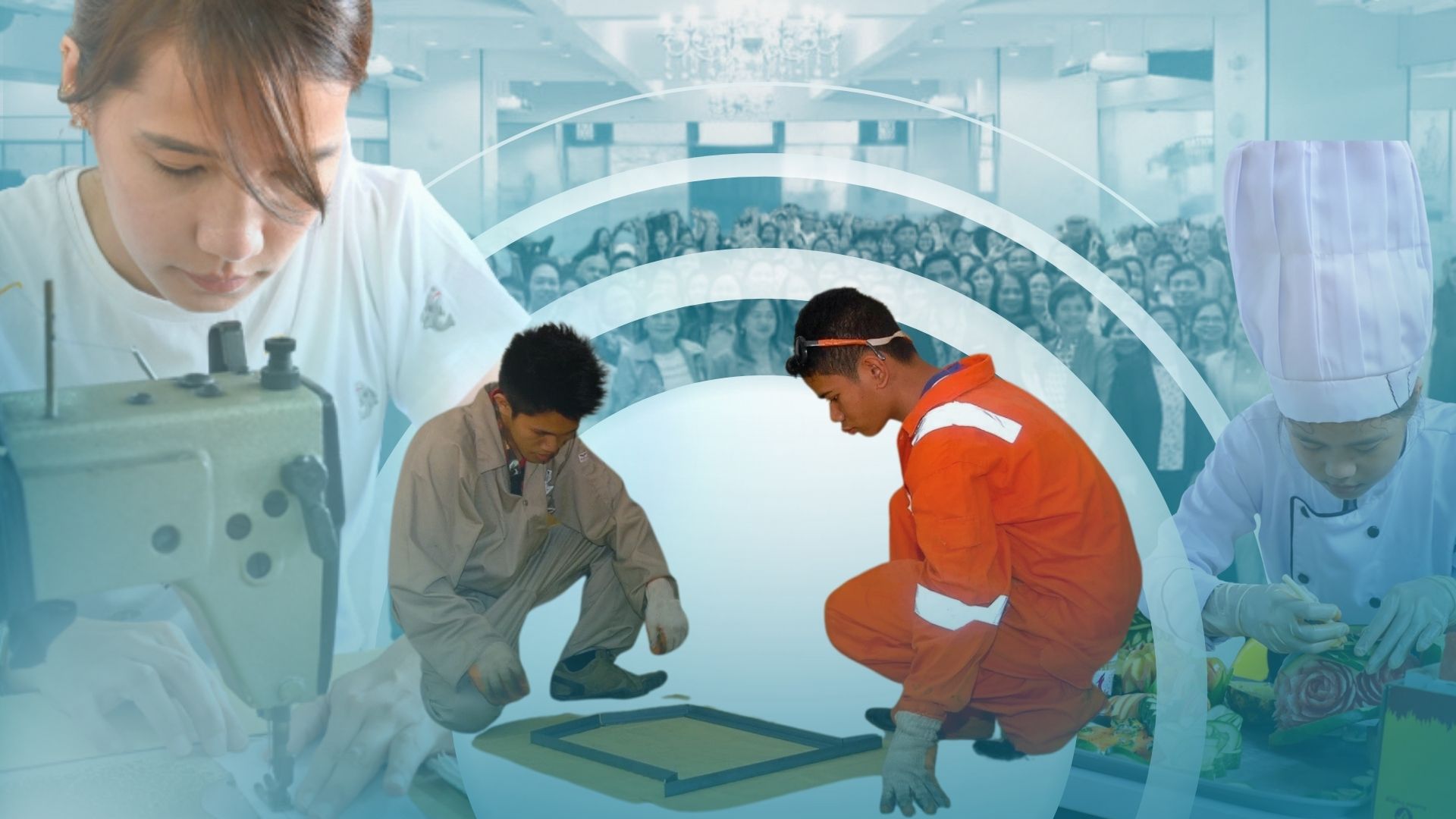
Senior High School (SHS) students taking technical-vocational tracks may soon graduate with skills directly aligned with job market needs, as the Department of Education (DepEd) plans an overhaul of its tech-voc curriculum using ‘real-time’ labor data.
The National Tech-Voc Summit on January 28 gathered education officials, industry representatives, and training institutions to discuss strategies to make SHS programs more relevant to emerging employment opportunities.
Officials said that labor market insights will help schools determine which skills are most in demand and where to focus their resources, particularly in industries affected by automation, digitalization, and market shifts.
DepEd Assistant Secretary Janir Datukan stated that the reforms aim to equip students not only with immediate job-ready skills but also with opportunities for career growth and higher income.
“Kung gusto nating may tunay na kinabukasan ang mga mag-aaral, kailangang nakabatay ang itinuturo natin sa aktuwal na pangangailangan ng industriya, ngayon at sa hinaharap. Hindi sapat na may trabaho lang, mahalaga kung may pag-angat, may kasanayan, at may disenteng kita,” Datukan said.
The summit focused on several areas, including expanding workforce training under the Enterprise-Based Education and Training (EBET) Law and updating courses to reflect global labor trends.
Under the EBET Law, companies are expected to play an active role in hands-on trainings and supervising students during work immersions, ensuring SHS tech-voc programs are a direct route to employment.
DepEd noted that stronger collaboration with industry will allow schools to update courses more quickly and better prepare students for the realities of the workforce.
For Bureau of Curriculum Development Director Peter Marc Magsalin, engaging companies is crucial to smoothing the transition of students from school to work.
“We must recognize that industry participation is the only way to strengthen the pipeline of school-to-work transition. By aligning our sectoral expertise with global labor trends, we ensure our curriculum remains responsive to the future of work,” Magsalin said.