





Now Reading: Mark the 55th anniversary of the militancy of the Diliman Commune!
-
01
Mark the 55th anniversary of the militancy of the Diliman Commune!
Mark the 55th anniversary of the militancy of the Diliman Commune!

As the 55th anniversary of the Diliman Commune opens, the public must shed sentimentality and confront the event as it was: a collective rupture, a direct clash between an embattled state and a generation that refused submission. The Commune was not a campus spectacle, nor a youthful excess. It was a political act born from a state that had already turned its coercive machinery against its own people.
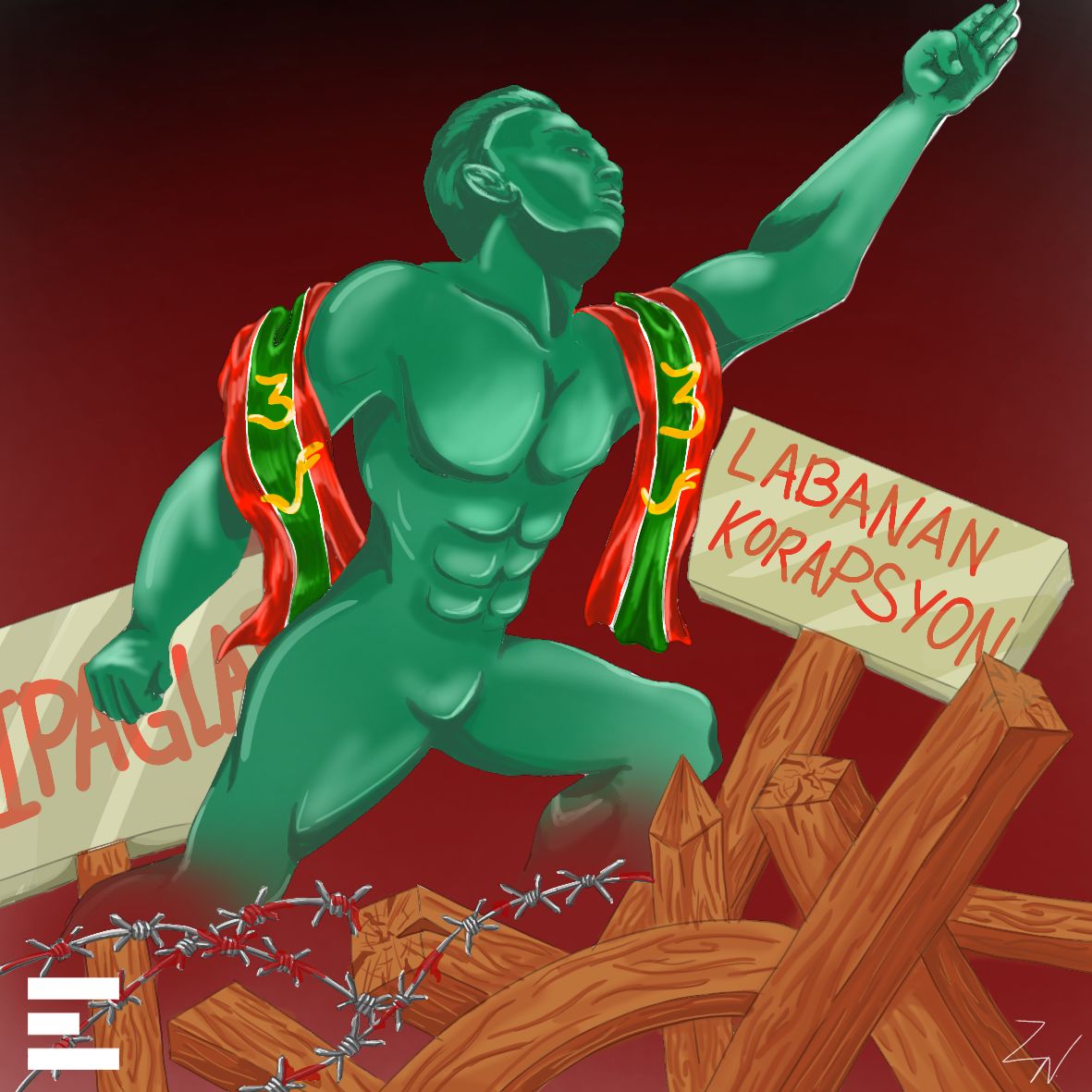
The Diliman Commune erupted from February 1 to 9, 1971, following a sharp increase in oil prices under the Marcos administration, amid escalating state repression that would culminate in the declaration of Martial Law the following year. Barricades rose, classrooms transformed into centers of political education, and students rejected the fiction that universities exist outside class conflict.
In those nine days, the Diliman Commune overcame the insurmountable through the indomitable will of the militant masses—the most tangible in its time in the University of the Philippines (UP) system to clamor against imperialism, feudalism and bureaucrat capitalism, and seek revolutionary change.
While we might think that the Commune was simply solidarity at its apex, it was in fact the discipline of the activists that was deep-seated in their psyche from then until now. After all, that which they had fought for are the same old material conditions that we face now.
The state is terrified of the youth. It always has been. The 1989 UP-DND Accord, which barred state security forces from entering UP campuses without prior notice, was unilaterally terminated by the Duterte administration in January 2021.
Today, the air is thick with the same stench of state desperation that hung over UP Diliman in 1971. Then, the barricades set up by members of the Alpha Phi Beta, the Kabataang Makabayan (KM), and the Samahan ng Demokratikong Kabataan (SDK), might have been enough, but now, the state barricades its own centers of power, fortifying Mendiola and Malacañang against the very people it claims to represent.
The state manufactures a reality for the youth to lord over in a manner that is dictatorial: it wants the youth to believe that militancy is a relic of the past, that “radicalism” should be confined to social media, and that there is no freedom for speech in the halls of any university; and that any university is merely a factory for the labor market.
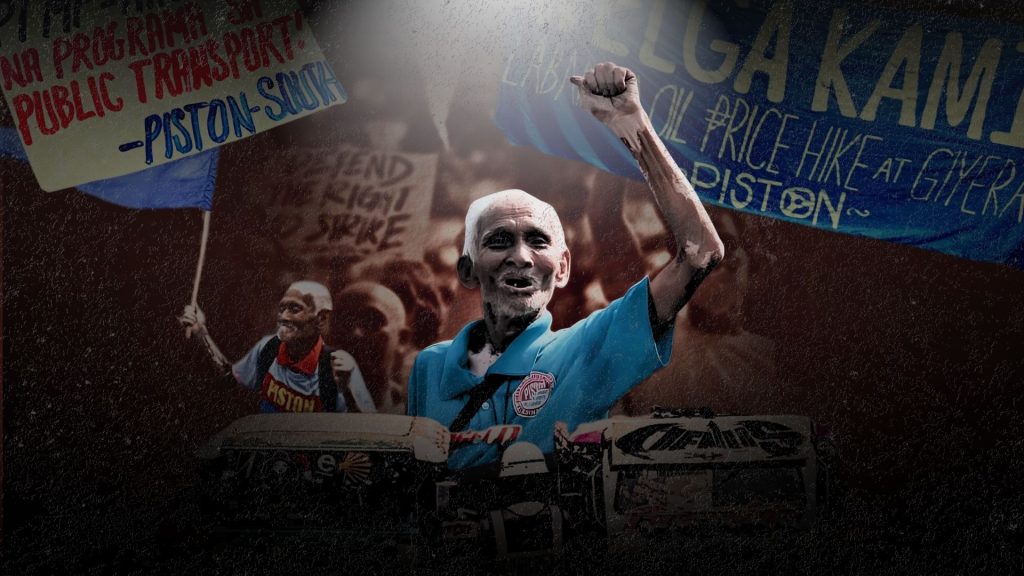
This narrative must be rejected. The Diliman Commune matters precisely because it refused such containment. It proved that universities gain political weight when they reject isolation and align with the broader masses. The Commune endured not through student action alone, but through links with jeepney drivers, urban poor communities, and organized labor. It recognized that academic freedom detached from mass struggle is hollow.
The youth must remain unrelenting to the fears that are being manufactured, and must follow the lines of those who preceded them—after all, if the Diliman Commune was empowered enough to be deviant 55 years ago, there would be no reason to not be deviant today, as we are living in a society that should have been more tolerant of and radicalized against policies which defraud us of our freedoms.
Along with the broader masses, the youth should mirror the Diliman commune to amplify a nationalist, scientific and mass-oriented educational system, and unite with the Filipino people in their patriotic and democratic mass struggles.
The fascist tendency of the current state is not a sign of strength, but it is a symptom of a ruling system terrified of its own people. When the state attempts to silence the campus, it is because it knows that once the youth recognize their power as a catalyst for the broad movement, the foundations of the status quo begin to crumble.
To honor the Diliman Commune is not to reenact its forms, but to carry forward its political line. The barricade is no longer only plywood and barbed wire. It is every strike that disrupts exploitation, every protest that breaks imposed silence, every act of organizing that links student demands with the struggles of workers and peasants. It is the insistence that free education cannot exist alongside landlessness, starvation wages, and foreign domination.
The youth must refuse the role of observer. History does not move through anniversaries alone; it moves through action. Fifty-five years ago, students chose defiance over safety, solidarity over isolation. The conditions that compelled that choice remain.
The task now is to meet them with the same resolve—integrated with the masses, grounded in political study, and unafraid to confront a state that has learned nothing except how to repeat its violence.