










Now Reading: 5 Myths about Eating Disorders we need to unlearn
-
01
5 Myths about Eating Disorders we need to unlearn

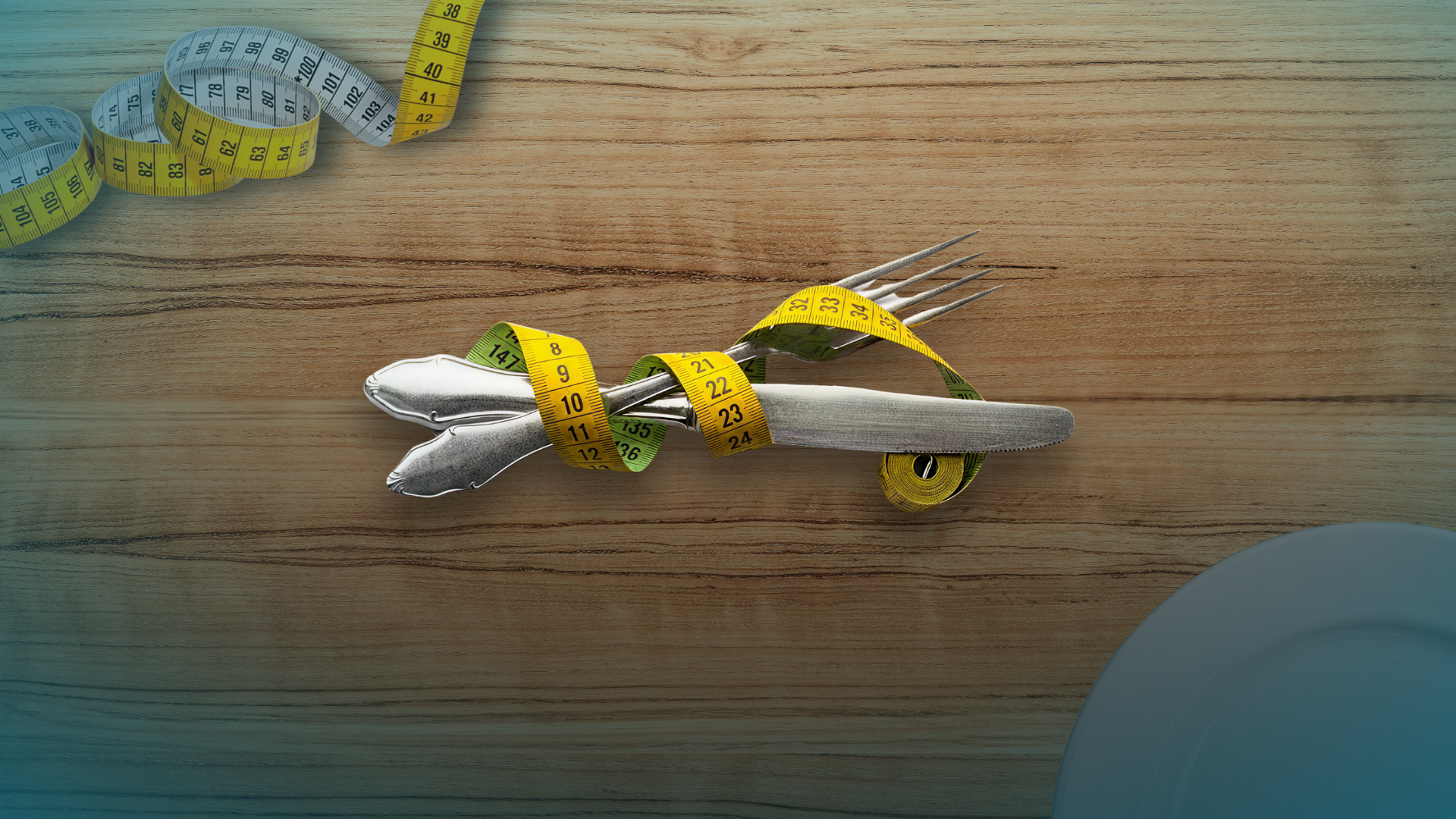
We’ve all seen the cinematic version of an eating disorder: the frail, (usually) white young petite girl picking at a salad, eating alone in a dimly lit room. This type of image became the ‘standard’ of what a disordered person would look like. But by focusing on a single look or a specific demographic, we’ve accidentally built a wall that keeps millions of people in the shadows, suffering from the same thing yet looking way different from the idea that many people knows about.
Eating disorders are complex, has a lot of factors, and deeply human struggles that thrive on isolation and secrecy. And although we often talk about it in terms of calories, clothing sizes, or “willpower”, the most haunting metric isn’t found on a scale or a hospital chart.
Eating disorder is a theft
Globally, over 3.3 million healthy life years are lost every single year to eating disorders. This isn’t just a clinical data point; it represents a massive, collective theft of human potential. These are millions of years that should have been filled with the “boring” but beautiful milestones of being alive.
We lose these people, not just their time, and one of the causes that we cannot deny is our lack of education towards this life-threatening issue. When we fail to properly educate ourselves, we allow these disorders to hide in plain sight, disguised as “dedication,” “discipline,” or “just a phase.”
As we commemorate National Eating Disorders Awareness (NEDA) every February, let’s take this moment to become more informed, move beyond stereotypes, and confront the lived reality. Whether you are struggling yourself, supporting a friend, or striving to be a better ally, unlearning these common myths is the first step toward a world where recovery becomes clearer and more attainable.
Common ED stereotypes that has to go
Myth #1: You can tell someone has an ED just by looking at them.
The reality: You can’t and shouldn’t assume someone has a mental illness based on how they look. Eating disorders affect people of all body sizes. Many people who are suffering from them may not be classified as underweight; even people who look ‘normal’ or overweight suffer from the same illness.
Myth #2: Having eating disorder is just a phase, and they’re likely to go away as time passes by.
The reality: Although these illnesses commonly appear during adolescence, taking them lightly doesn’t help. They are serious medical conditions with the highest mortality rate of any mental illness. Oftentimes, they are just the tip of the iceberg, serving as a coping mechanism for underlying issues such as trauma, anxiety, or a lack of control.
Myth #3: Only young, affluent white teenage women are affected of this specific disorder.
The reality: This is one of the most common stereotypes we hear, and many still fully believe it. But the truth is, your gender, age, sexual orientation, ethnicity, or socio-economic background does not determine how an eating disorder affects you.
Myth #4: It’s only a ‘real’ Eating Disorder if you stop eating entirely.
The reality: We’ve been conditioned to think of eating disorders as a binary: you either eat normally, or you don’t eat at all. This “all-or-nothing” narrative is not only false, it has become a barrier to treatment. In reality, the vast majority of people struggling with disordered eating do eat, but their relationship with that food is a battlefield of shame, compulsion, and biological chaos.
Additionally, Binge Eating Disorder (BED) is currently the most common eating disorder in the United States. And no, this isn’t about “loving food too much” or a holiday overindulgence, but a clinical cycle of consuming large amounts of food that causes physical pain and psychological distress.
Myth #5: Eating disorders are just about food.
The reality: If eating disorders were just about food, a meal plan and a cookbook would be the cure, yet they aren’t. An eating disorder is a complex, biopsychosocial illness that uses food as a language to express pain that has no words. It takes over a person’s mind, often controlling and imprisoning them.
How to help?
You don’t have to do something so extravagant to help; a simple start is a radical shift in how we speak. Compassion and being kind are free, but their impact is priceless. Adopting the 10-second rule also helps: If someone cannot change something about their appearance in ten seconds (like a piece of lint on their shirt), don’t point it out. They already know.
February is a month of love, and let’s spread that love by commemorating this month to raise awareness about eating disorders. Eating disorders are never just about what is eaten or avoided; they are about pain, pressure, and the quiet battles many fight in silence. What should matter most is not body size or appetite, but the chance for every person to live in recovery and peace.