
Now Reading: NSPC 2015 Archives: Maria Ressa’s Lessons From a Warzone
-
01
NSPC 2015 Archives: Maria Ressa’s Lessons From a Warzone

Stela Marie Eve Militante
Journalism does not only happen inside a newsroom.
Sometimes, it is in the middle of a warzone, during a disaster, in the midst of a protest, or even behind just a glowing screen of a cellphone.
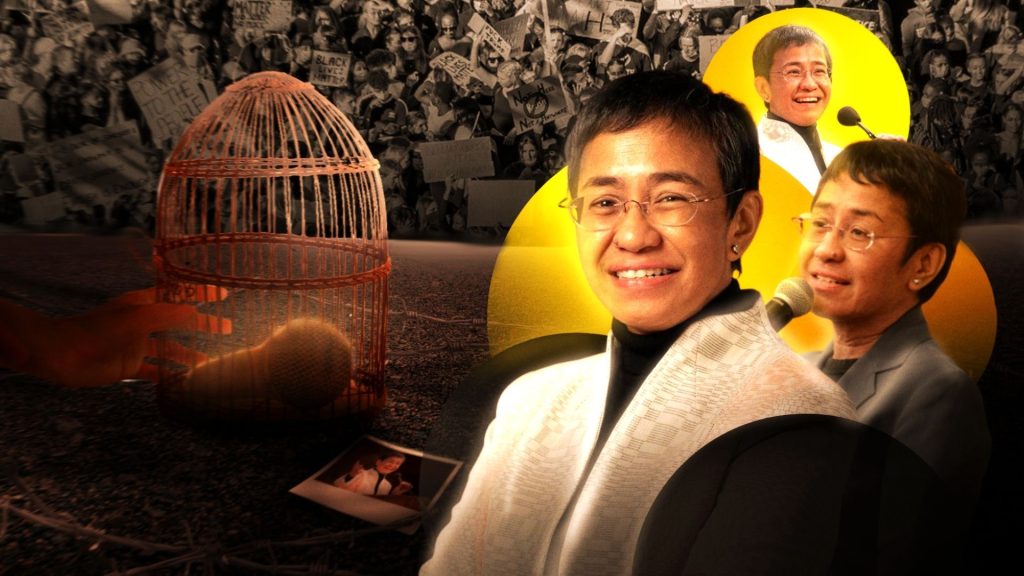
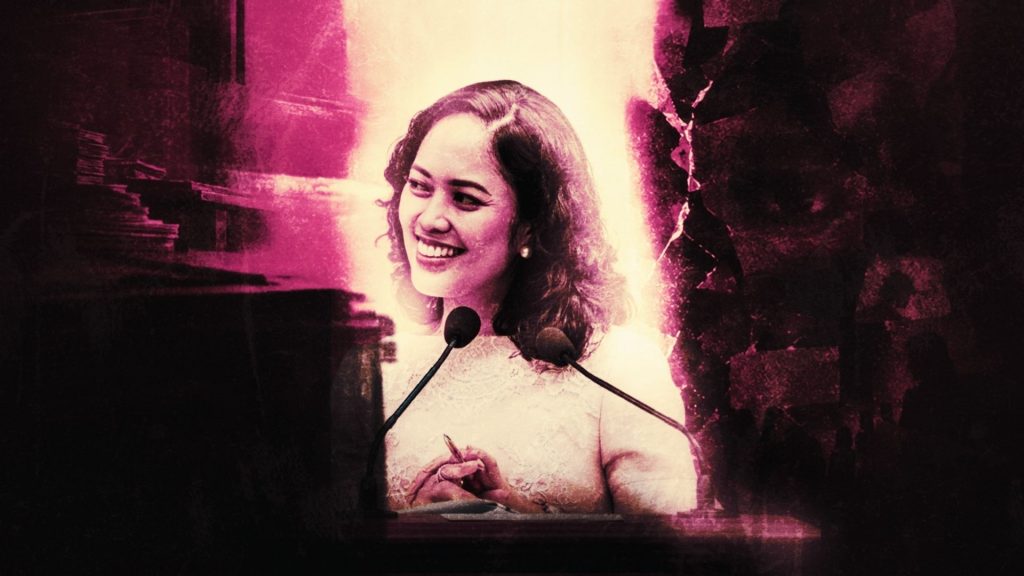
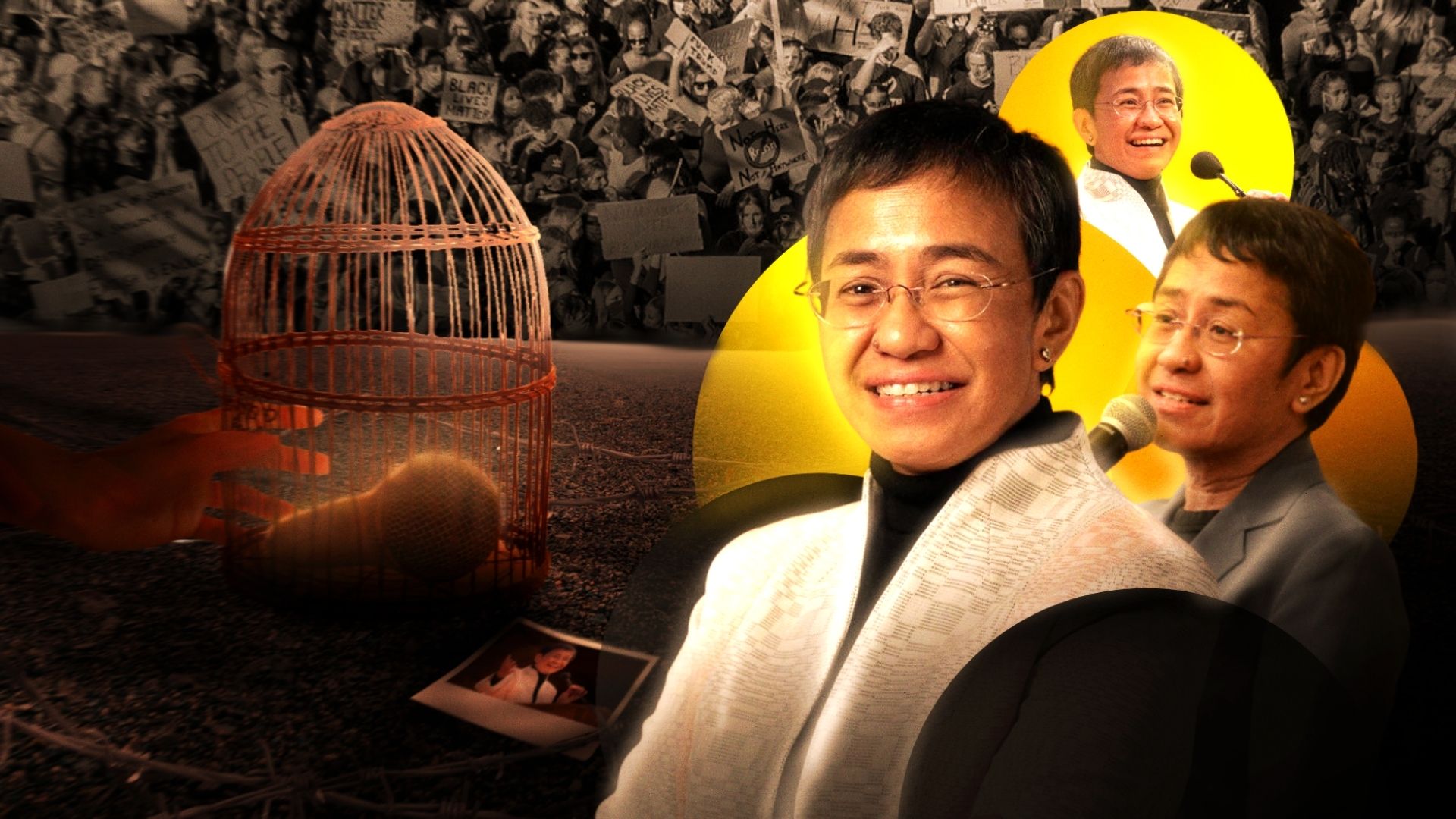
Maria Ressa, Rappler CEO and 2021 Nobel Peace Prize Awardee, lived a life of journalism and she shared the lessons she has learned from her experiences during the 2015 National Schools Press Conference in Taguig City.
More than a decade now, the lessons she has imparted to those campus journalists are the very same lessons that must be inculcated in the hearts of not only the young journalists today, but this generation born into the digital age—a generation that does not merely consume information, but has the power to create, amplify, and even transform it.
Make the choice to learn
The first lesson might appear to be so simple, but it is the most difficult to sustain.
For Ressa, learning is not only for journalists, because the skills one can harvest from journalism such as asking questions, thinking critically, and communicating with clarity, can be useful in any field. This further becomes indispensable in a world that evolves quickly.
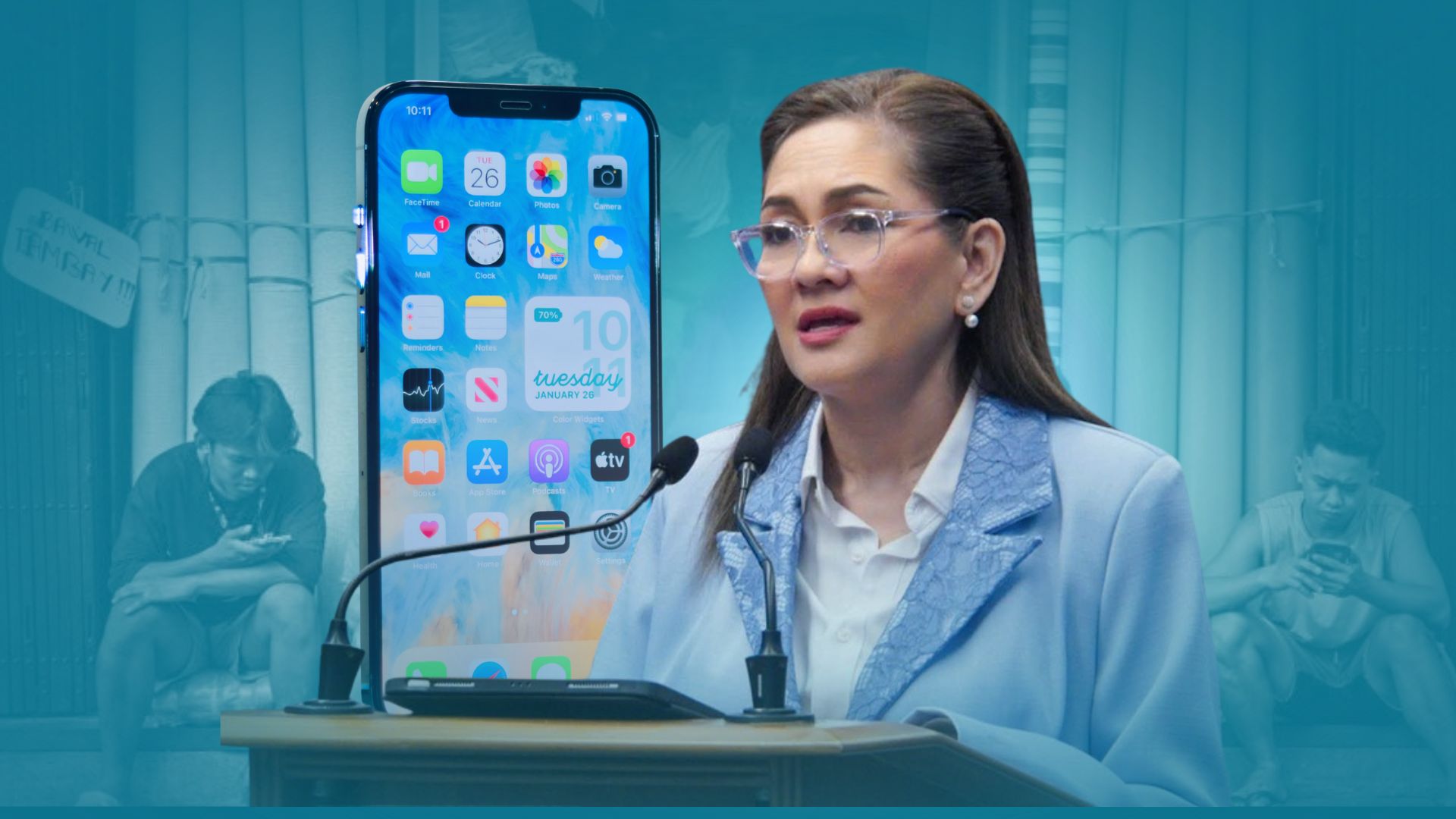
In her speech, she highlighted how rapidly the digital landscape had changed. Facebook was created in 2004, where YouTube’s existence followed the next year. The first iPhone arrived in 2007, WhatsApp came into our phones in 2009, and Rappler was established in 2012.
The cellphones that all students carry at present are the ones Ressa’s generation could only dream of, especially with its technological features.
Truly, if the world refuses to stop changing, then we should also not stop learning. This is the only way a person can remain relevant.
Embrace what you are most afraid
Fear should never be an excuse for silence. And courage is not the absence of fear, but the choice to move forward even if the hands are trembling, knees are shaking, and heart is pounding.
Each day, journalists face different circumstances that test their tenacity and character. This hapens when questioning a powerful official, investigating corruption, unraveling an uncomfortable truth, and refusing to remove a story despite someone influential demands it.
Speak truth to power
When one would listen to Ressa’s whole speech, many would say that this is the heart of her message.
A journalist’s responsibility is not to protect a politician, satisfy a business entity, or strengthen ties with those in authority.
“Your power is borrowed from the public,” Ressa uttered, as she emphasized how this trust by the public can disappear instantly when journalists abandon fairness and accuracy.
Hence, truth must be delivered even if it is difficult—despite and amidst the redtagging, suppression, and censorship.
Use digital power responsibly
With the advent of social media, everyone has now the power to speak.
Before, media organizations largely decided which stories can come across to the public and greatly influence the course of their conversation. Today, an ordinary citizen like a student can document an event, upload it online, and that one post can make the world change.
Ressa mentioned the rise of citizen journalists, where she regarded them as a force that can make journalists more powerful. Social media has shattered or weakened the gatekeeping system. One tweet, post, video, or photograph can ignite national conversations, even transcending the country’s borders.
In her speech, she cited how the 2013 Luneta Park protest against the pork barrel system is a prime example. People can be mobilized if social media is used right.
However, power should be coupled with responsibility. The same platforms that became avenues for awareness and action are the same platforms where fabricated stories, fake information, manipulated images, and AI-generated content are also present.
Give people information, not instructions
Journalism does not dictate what people think, but allows them to think for themselves and for the better using truthful information.
According to Ressa, “Give people information so these communities can become communities of action.”
When everyone is informed with the truth, they are empowered to take action, make the best decisions, and participation truly happens. That is why, as journalists, it is a must that every story, article, photograph, and content being put out there is accurate, factual, and accessible to the masses.
Do not aim to be liked, aim to be respected
Ressa said that this came from Singaporean leader, Lee Kuan Yew, who stated, “If you liked to be liked, don’t be a journalist.”
A journalist who tries to please everybody is just bound to become someone too afraid to tell the truth. There are plenty of instances where one’s reportage upsets the people who would rather have it hidden.
However, this does not give journalists a pass to be cruel. Ressa highlighted that journalists should see the truth as they see it in that moment, while also remaining fair to the people they cover and when they know they are wrong, they must admit it.
And that’s when a journalist becomes someone respectable.
Journalism is still journalism even if times has changed
Technology indeed brought many changes with the manner and tools used to deliver information. But it had never changed the mission.
Typewriters have become computers. Payphones are now smartphones. Fax machines now turned into instant messages. Satellite broadcasting became livestreaming. And the once-passive audience became an active digital community.
Beneath these changes, journalists still carry the same responsibility of seeking the truth, informing the public, questioning power, and holding institutions accountable. Technology just gave them more power.
Ressa’s own career is an embodiment of this transformation, from traditional journalism to building Rappler into what it is today.
But it is all up to this generation
Ressa wishes to see an amazing Philippines in her lifetime, and having journalists who live out these lessons is only half the key to that path.
It is because they should never be alone in that journey, because journalism does not happen only inside the newsrooms, but wherever people need truth, wherever stories remain unheard, and wherever power is abused.
Like what they say, “The quality of a democracy is only as good as the quality of the society’s journalists.”
A strong democracy does not need journalists who are willing and courageous to speak, but a society willing to listen, question, and stand with them.