

Now Reading: How Bad Bunny redefined American Pride at the Super Bowl 2026
-
01
How Bad Bunny redefined American Pride at the Super Bowl 2026

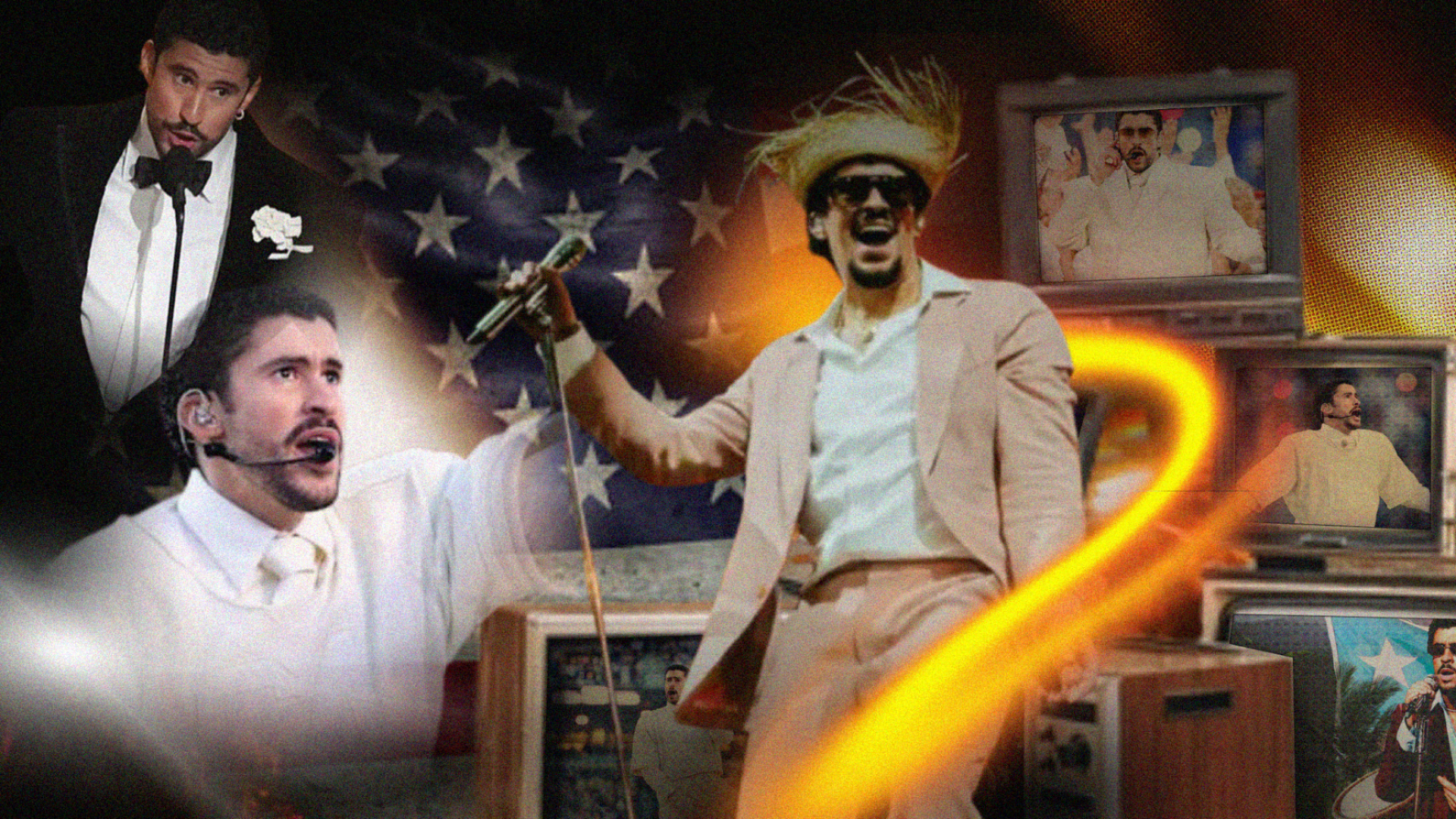
As the first Latin American artist to take center stage in a Super Bowl halftime show, King of Latin Trap Bad Bunny fulfills yet another milestone in his music career. The 31-year old, whose full birth name is Benito Antonio Martinez Ocasio, rose up to the occasion by proving that not everyone has to understand Spanish to have fun while watching his performance.
The show featured Bad Bunny in a football jersey with his mother’s surname, Ocasio, inside a sugarcane setup resemblant of Puerto Rico’s first sugar cane refinery located in Vega Baja, where the artist grew up in. Ocasio shuffled through makeshift piragua stands, boxing matches, a casita, and electric utility poles in an engaging symbolism of nationalistic spirit intermingled with historical struggle.
The musica urbana star jammed with Latin American celebrities and dancers to “Yo Perreo Sola,” “Nuevayol,” and several other upbeat setlist tracks, most of which are from his recent album, Debi Tirar Mas Fotos. Other show highlights include Lady Gaga and Ricky Martin’s surprise performances, a real couple whose wedding was officiated at Levi’s stadium, and the brief appearance of Maria Antonia Cay, the owner of the popular Caribbean Social Club in Brooklyn.
Affectionately dubbed the “Benito Bowl” by fans online, the show reached an average of 128.2 million viewers on February 8, Sunday, second only to Kendrick Lamar’s 59th halftime show at 127.7 million. Many applauded Bad Bunny’s choice to spotlight his heritage on American television as an act of resistance through representation amid the precarious sociopolitical landscape of the United States.
A distaste for diversity
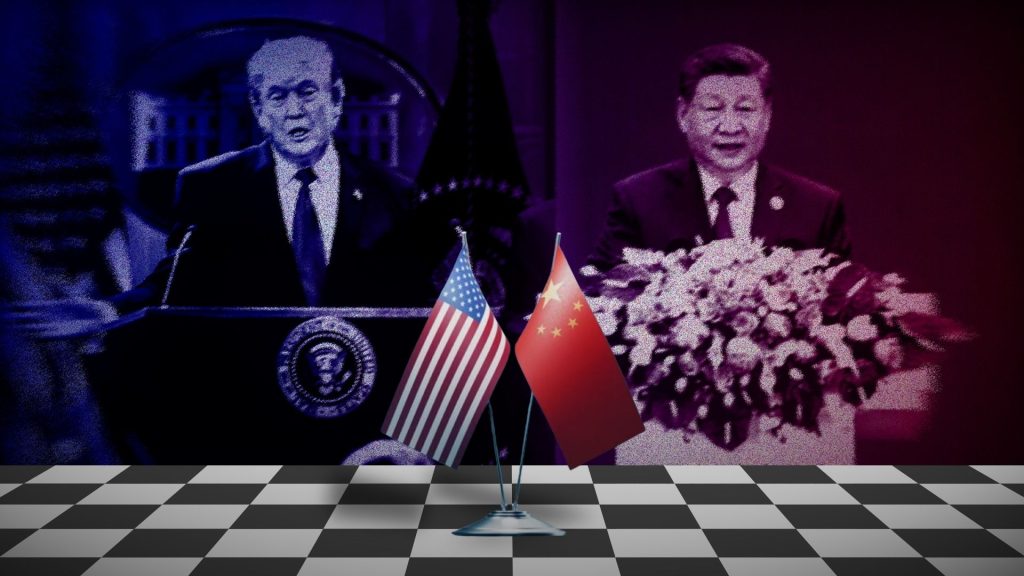
Among those who openly criticized Bad Bunny’s performance was US President Donald Trump, arguing that it was “an affront to America’s greatness,” and that most audience members could not understand Ocasio’s language, nor should they put in the effort to do so.
Turning Point USA, an organization founded by Trump supporter Charlie Kirk, hosted an alternative “All-American Halftime Show” in dissatisfaction with Bad Bunny being selected to perform live at this year’s Super Bowl, mocking and referring to the Puerto Rican artist as a “foreigner.”
Following recent headlines of Immigration and Customs Enforcement (ICE) agents in charge of investigating undocumented immigrants as per national law, Trump administration critics have protested against the severity of the operations inciting widespread discrimination and violence toward people of color across States.
After receiving the Album of the Year Award at the 2026 Grammys, Bad Bunny began his speech saying, “before I say, thanks to God, I’m going to say ICE out.” Fellow Grammy-winning artists Olivia Dean, SZA, and Billie Eilish took a stand onstage to uplift immigrants and give back to the diverse artistic community.
Research as of June 2025 shows that 19% of the US workforce are immigrants, with Latin Americans comprising the bulk. Despite economic progress being attributed to the labor of minority groups, the roots of white nationalism precedes that of the Trump administration. From the mass immigration that began in the late 1800s to the Cold War era, economic crises and political upheaval brought the majority of the Latin population to the US to make ends meet.
This prompted fear of ethnic diversity dominating the White majority demographic, giving rise to racialization of minorities. Generational discrimination falls into racial profiling and power struggles that persist today among Latinos across South America, global ethnic groups, and towards self-governed US territories such as Puerto Rico, a former colony of Spain.
The pressures of fitting into the dominant culture
The Latin explosion of the late 90’s gave rise to prominent figures in pop culture, launching the crossover to mainstream pop. While American exposure bolstered careers in the likes of Shakira, Jennifer Lopez, Enrique Iglesias, and more, several Hispanic artists took the rise to fame hand-in-hand with a thematic rebrand to fit whitewashed industry demands.
Ricky Martin, who was already a big name across the Latin community in the 90s, started off relatively unknown to the mainstream until American record label executives helped him compose his hit song “Livin’ La Vida Loca,” which delivered the familiar blend of energetic Latin beats accompanied by catchy English lyrics.
However, as effective as this technique was to generate appeal within English-speaking populations, it warranted a transition from authentic artistry to exoticization all in the name of profit and palatability.
When Martin appeared on Bad Bunny’s set, many saw it as a move to reclaim his own identity years after cultural assimilation guided his shift to the international stage, as he performed a moving 30-second rendition of “Lo Que Le Paso A Hawaii,” an outcry of resistance against gentrification in the Hawaiian islands.
Today, trending Latin American artists of the 2020’s find themselves battling the same industry pressure to make themselves more “marketable,” but are now clapping back with refusal to conform to the mainstream and finding comfort in their own musical style.
Colombian-American pop artist Kali Uchis, who records in both English and Spanish, refused to stick solely to the former “just because it sells better,” embracing her affinity to both languages as a musician. Maria Zardoya, the Puerto Rican frontwoman of indie band The Marias, was proud to bring visibility to the Latin community through her own music and artist collaborations despite growing up in the US and struggling to resonate with the cultures of her upbringing.
While the world anticipated an English album drop in the midst of his rising success across continents, Bad Bunny chooses to stay true to his roots: “America is the land of the free, right? Why can’t I just sing in Spanish?” he shares in an interview.
Halftime shows and celebrations of identity
While expectations for Super Bowl halftime shows are sky-high with spectacle and a vibrant showcase of American spirit, artists have etched messages of selfhood and community through their artistic blend of a dynamic setup, showstopping choreography and eye-catching visuals.
The 59th halftime show headlined by Kendrick Lamar delved into the socio-political undertone of the “great American game” set, with Samuel L. Jackson stepping into the spotlight as Uncle Sam, symbolizing the ruling elite and the attempt to rebrand hip-hop to fit their taste.
Lamar also served as a mouthpiece against cultural appropriation, calling out Canadian rapper Drake for never giving credit to the Black American artists who helped develop his musical repertoire in his viral diss track “Not Like Us.”
This year, Ocasio chose to redefine the perception of America in its entirety: “God bless America!” he exclaimed, proceeding to name every country on the American continent. Displayed on the Jumbotron were the heartfelt words from his Grammy Awards speech: “The only thing more powerful than hate is love.”
Artists like Bad Bunny are living proof that music as an art form is powerfully individualistic as much as it is a unifying force, capable of curating a vibe that brings members of a community together in unapologetic celebration of who they are—and loving every moment of it.