





Now Reading: What the hijab asks us to notice
-
01
What the hijab asks us to notice

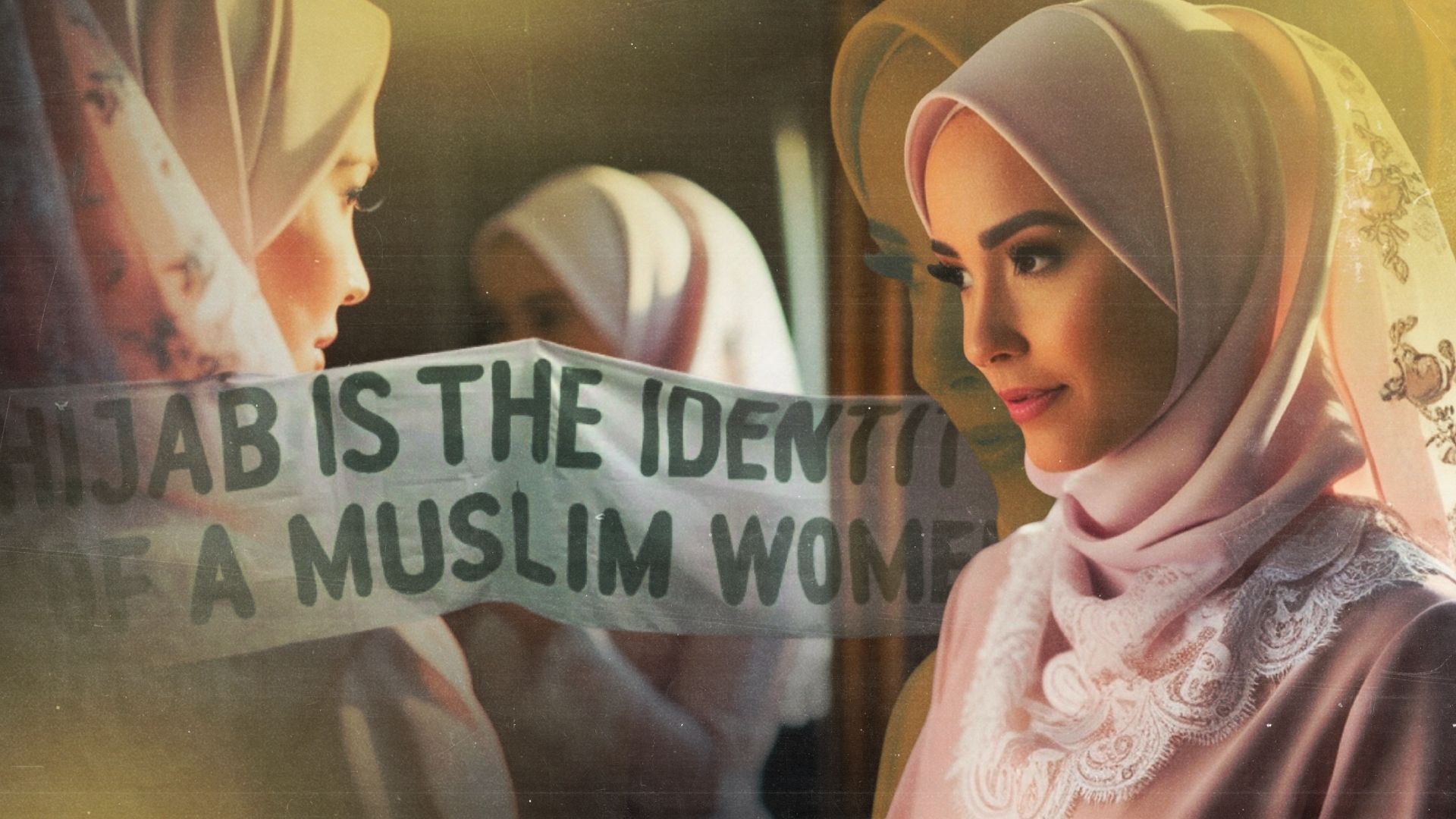
As communities around the world prepare to mark Eid al-Fitr, attention is often drawn to visible expressions of faith, including the hijab. More than a symbol, the hijab offers an opportunity to reflect on how identity is perceived in everyday life, and how difference is seen, interpreted, and treated in shared spaces.
Beyond moments of observance, the hijab invites a deeper awareness of what it means to live in a world where identity is often understood only after it has already been judged. It shifts the focus from clothing itself to the social realities that surround it.
Visibility and the politics of presence
Across cultures and regions, religious expression takes many forms. Some blend seamlessly into the social landscape, while others stand out immediately. The hijab is one such expression. As a visible marker of faith, it makes Muslim women instantly recognizable in public life, whether in schools, workplaces, transportation systems, or digital spaces.
This visibility is not merely descriptive. It also carries social meaning. Being seen can bring recognition, but it can also invite scrutiny. Assumptions may form before conversation begins, shaping how competence, safety, or belonging are perceived. The hijab highlights the uneven consequences of visibility and the reality that not all identities carry the same social weight in public space.
Reactions, representation, and unequal expectations
The presence of the hijab in public life reveals a wide range of reactions, from genuine respect to subtle discomfort, from curiosity to exclusion. These responses are often shaped by broader narratives influenced by media, history, and power rather than direct personal experience.
Hijabi women are frequently expected to explain or defend their clothing and beliefs, as though visibility requires justification. In many contexts, they are positioned as representatives of an entire faith or culture, carrying the burden of correcting misconceptions not of their own making.
Meanwhile, those whose identities align with dominant norms move through public spaces without the expectation of explanation. This imbalance reflects how neutrality is often reserved for the majority, while difference is subjected to constant interpretation.
Awareness as a global responsibility
The hijab draws attention to a broader responsibility shared by societies worldwide. Respect for religious freedom extends beyond legal protections. It is practiced through daily interactions, institutional policies, and cultural attitudes. Awareness involves recognizing how assumptions operate, how power shapes perception, and how dignity can be affirmed or denied in ordinary encounters.
Rather than calling for uniform understanding or symbolic imitation, the conversation surrounding the hijab calls for attention. It asks who is required to explain themselves, who is allowed to belong without question, and whose visibility comes with risk rather than acceptance.
In an increasingly interconnected world, such awareness is essential. The significance of the hijab endures not because of what is worn, but because of what it reveals about how societies see and respond to one another.