









Now Reading: Peso hits record low, breaches P60 vs US dollar
-
01
Peso hits record low, breaches P60 vs US dollar

Xavier Pajiran
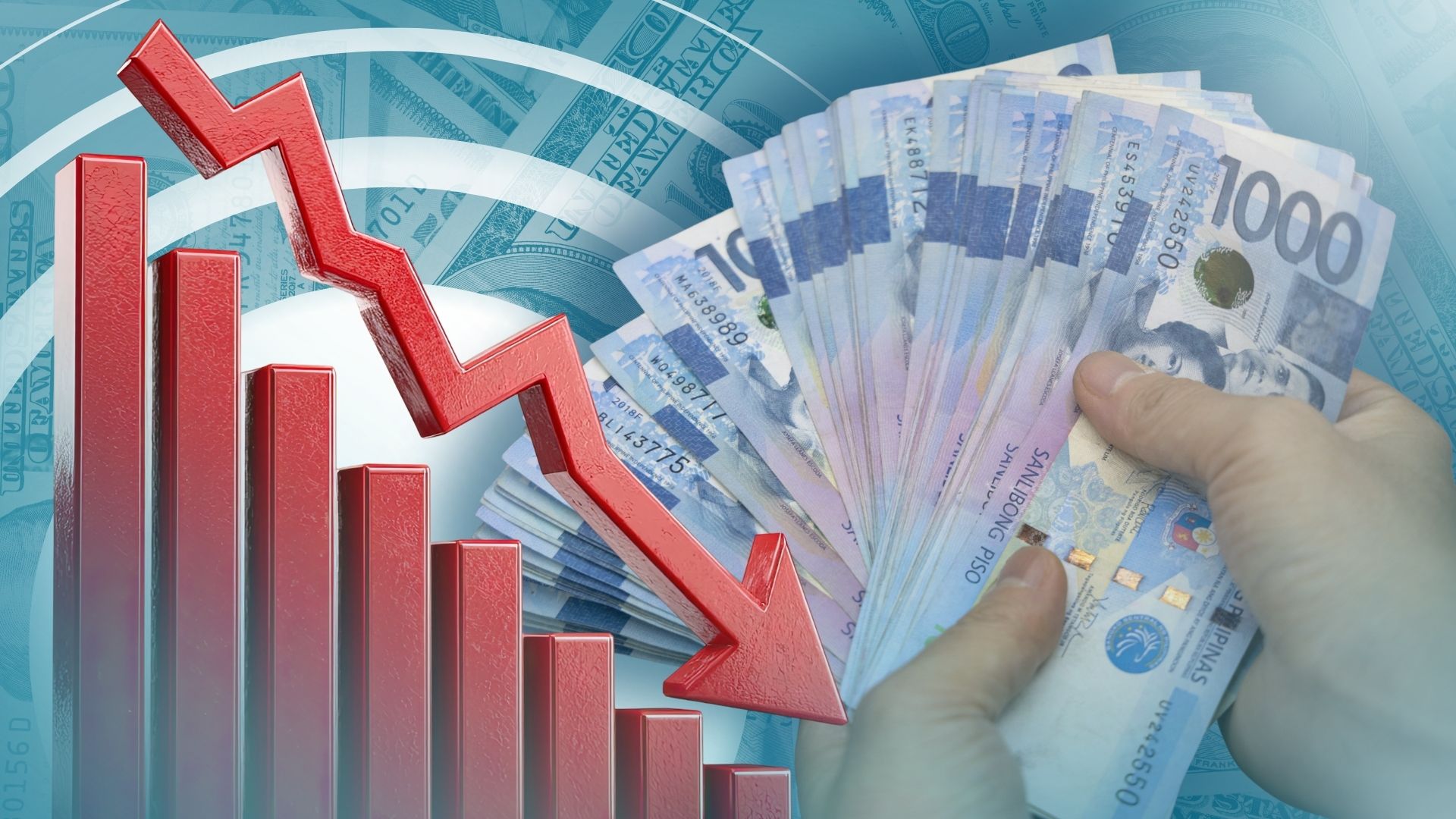
The Philippine peso weakened further against the US dollar, breaching the P60 level and closing at around P60.3 to $1 on March 23, marking a record low amid strong dollar demand and rising global economic pressures.
The decline reflects continued strain on the local currency, driven by increased demand for the US dollar and external risks such as rising oil prices, which typically raise import costs for countries like the Philippines.
Data from the Bangko Sentral ng Pilipinas (BSP) shows that the peso’s depreciation has been gradual in recent trading sessions, eventually crossing the P60 threshold, a key benchmark closely monitored by analysts and investors.
The BSP said it continues to monitor movements in the foreign exchange market and stands ready to act when necessary.
“The BSP does not target any specific exchange rate level, but it ensures that movements are driven by market forces and that excessive volatility is avoided,” the central bank said.
Analysts attributed the peso’s weakness largely to the strength of the US dollar, supported by global demand and policy expectations from the US Federal Reserve.
Effect felt by the masses
The effects of the weakening peso are already being felt by residents in Davao City, particularly in daily expenses.
“Mas ramdam na namin ang pagtaas ng presyo, lalo na sa pamasahe at pagkain,” said Angela Cruz, 20, a student from the University of Mindanao. “Mas mahirap na mag-budget ng pang-araw-araw na gastusin kapag patuloy na humihina ang piso.” she added.
Local transport workers also noted the impact of rising fuel costs linked to the weak peso.
“Kapag tumataas ang presyo ng gasolina, apektado kami agad. Mas kaunti na ang maiuuwi naming kita,” said Boy Dela Cruz, a jeepney driver in the city.
Small business owners likewise expressed concern over increasing operational costs.
“Kapag tumataas ang halaga ng dolyar, tumataas din ang presyo ng mga paninda namin, lalo na yung mga imported,” said Jun Reyes, who manages a small sari-sari store.
Higher global oil prices have also added pressure, as the Philippines relies heavily on imported fuel, increasing demand for dollars and further weakening the peso.
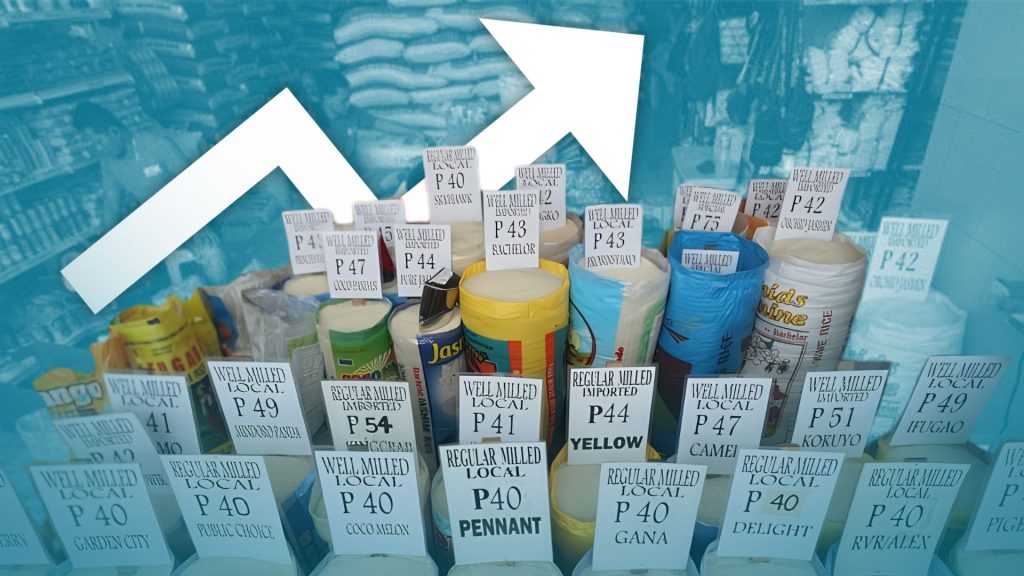
The depreciation of the peso may have wider economic implications, particularly on inflation, as the cost of imported goods such as fuel, food, and raw materials may increase.
The Philippine economy remains sensitive to exchange rate movements, with currency fluctuations directly affecting purchasing power and overall price stability.