




Now Reading: Davao’s Durian: The Pungent King That Powers Life and a City’s Heartbeat
-
01
Davao’s Durian: The Pungent King That Powers Life and a City’s Heartbeat
Davao’s Durian: The Pungent King That Powers Life and a City’s Heartbeat

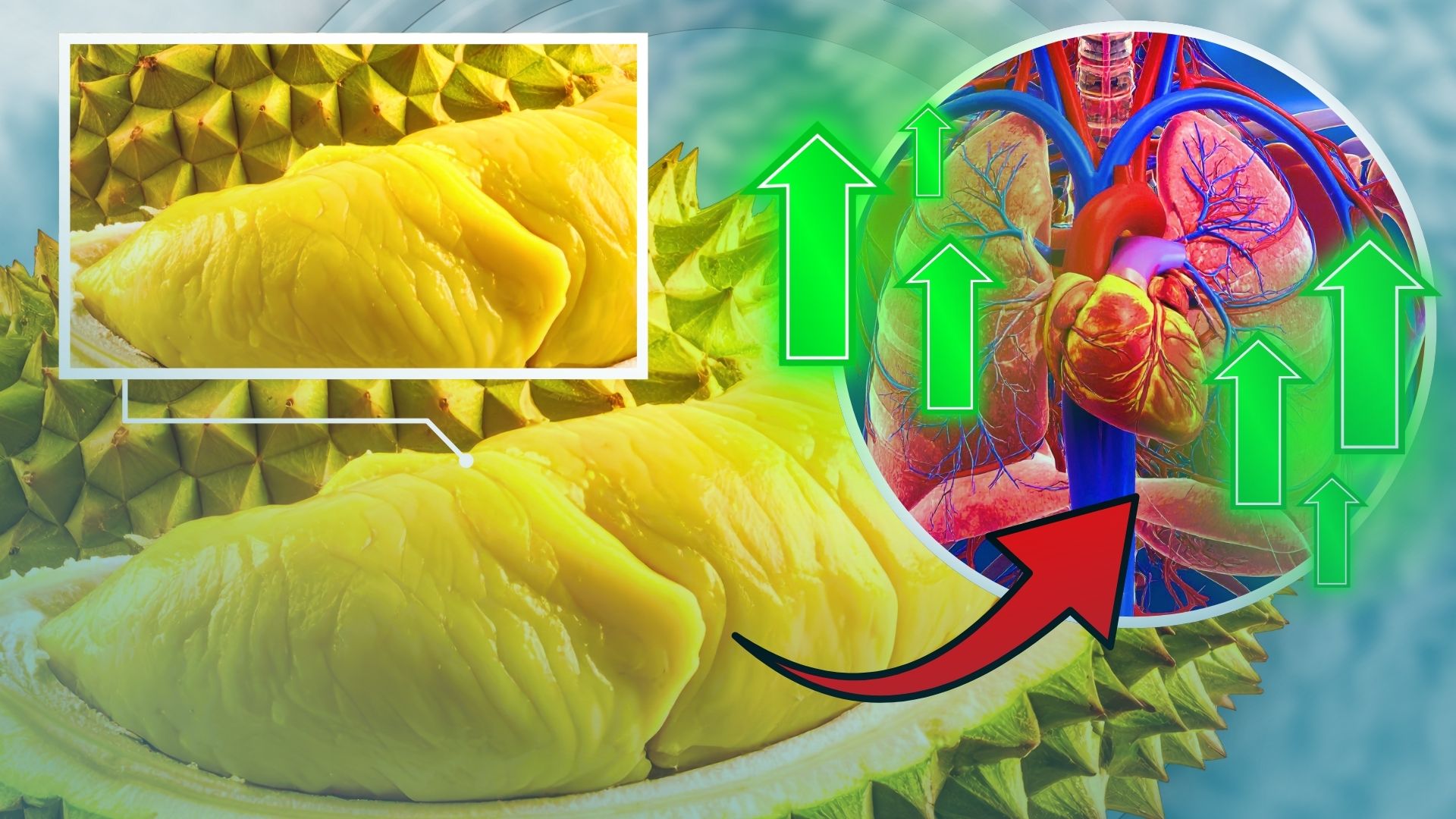
Look past the crown of spikes and the smell, and durian tells a story bigger than it seems. In Davao, it moves from fertile orchards to bustling fruit stalls where people debate which variety tastes best. Beneath the familiar scene lies a deeper story of nutrition, farming, and a fruit whose impact stretches far beyond the plate.
Durian in Davao is more than a seasonal indulgence. It fuels livelihoods, fills markets, and feeds communities. Its spikes and smell might turn some away, but its influence stretches from small farms to city stalls alike, connecting science, economy, and heritage.
Every harvest carries a story of soil, care, and timing. Beyond taste, it delivers calories, vitamins, and minerals that have sustained generations. At the same time, it shapes the city’s economy and cultural identity, making durian a fruit rooted in both science and society. This mix of health, commerce, and heritage sets the stage for a closer look at its worth.
The King’s Chemistry
Durian’s creamy flesh is nutrient-dense, delivering fiber for digestion, potassium for heart health, B vitamins for metabolism, and vitamin C to strengthen immunity. Its rich carbohydrates provide a quick energy boost, while volatile sulfur compounds produce its infamous odor and contribute to the fruit’s distinct chemical profile.
Still, durian’s intensity comes with a caveat. Overindulgence can cause discomfort, particularly in hot weather. Mastura Mohd Sopian, a researcher from Universiti Sains Malaysia, cautions that those with diabetes, heart disease, or kidney issues should eat it in moderation. Daniel Gooi, consumer advocate in Penang, adds that excessive consumption may lead to sore throats or dehydration and advises staying hydrated and practicing moderation.
Myths about durian raising body temperature or causing illness persist, but they are largely unfounded. Dr. Michael Wong, a family physician from Singapore, clarifies that while the fruit can slightly increase body heat, it does not trigger fever or respiratory infections.
Beyond debates over its effects, durian remains a daily staple in Davao. Its chemistry is potent; it is an intensity that demands respect and rewards moderation. It is the literal “soul food” of the region, providing the caloric fire that built the city from a settlement into a metropolis.
Fruits of Labor
Durian powers a sprawling agricultural industry, supporting thousands of farmers and workers. Davao City alone accounts for roughly 60 percent of the Philippines’ durian harvest, covering about 2,800 hectares. Mayor Sebastian Duterte emphasizes that the industry provides income and jobs, while the City Agriculturist’s Office (CAgrO) coordinates programs to support growers and ensure quality.
Production has steadily expanded, with popular varieties such as Puyat, D-101, Cob, and Duyaya prized for taste and yield. Recent export figures highlight rising global demand, especially from China, which now imports most Philippine durian. Fe Oguio, an agriculturist at CAgrO, reported that about 10,000 metric tons were exported from January to October 2024, nearly double previous volumes. Fresh and processed products, from ice cream to candies, are reaching international markets, expanding durian’s reach.
The economic benefits are tangible. A hectare of productive durian trees can generate an extra US$2,800 for farmers, according to Larry Miculob, former president of the Durian Industry Association of Davao City (DIADC). Cold-chain facilities and processing plants now allow more fruit to reach distant consumers, linking small farms to international trade.
Farming durian is not without its challenges. Climate fluctuations, from heavy rains to droughts, can disrupt harvests, while researchers continue developing pest-resistant and high-yield varieties. In Davao, centuries-old cultivation meets modern science, creating a balance between tradition and innovation that keeps the industry growing.
A Taste of Davao
Durian is more than a crop; it is part of Davaoeño identity. Visitors encounter it everywhere, from roadside stalls to festival displays, and locals take pride in its presence. Tanya Rabat-Tan, Regional Director for the Department of Tourism (DOT) Region XI, describes durian as “a symbol of the city’s resilience and character,” evoking both nostalgia and recognition.
Its cultural significance shines brightest during events like the Kadayawan Festival, where durian takes center stage alongside other local harvests. Councilor Mary Hazel Barte Haspe notes that the festival “just wouldn’t feel like Kadayawan without it,” highlighting the fruit’s role in community spirit and heritage. Support for farmers through seedlings, fertilizers, and technological assistance ensures that these traditions continue for future generations.
From nutrient-rich flesh to export markets and festival tables, durian in Davao carries a significance that reaches beyond taste. Beneath the thorny shell lies a fruit shaped by chemistry, livelihoods, and identity, linking orchards, research, and local tradition in one enduring symbol.
As the city marks another year of pride, durian remains its most familiar storyteller, carrying traces of the soil, the farmer’s patience, and a culture unbothered by pungency when it comes with value. The King is back on his throne, and his kingdom has never smelled more like victory.