







Now Reading: BLOW AFTER BLOW: How wars disrupt national fuel economy and the energy alternatives to aid these effects
-
01
BLOW AFTER BLOW: How wars disrupt national fuel economy and the energy alternatives to aid these effects
BLOW AFTER BLOW: How wars disrupt national fuel economy and the energy alternatives to aid these effects

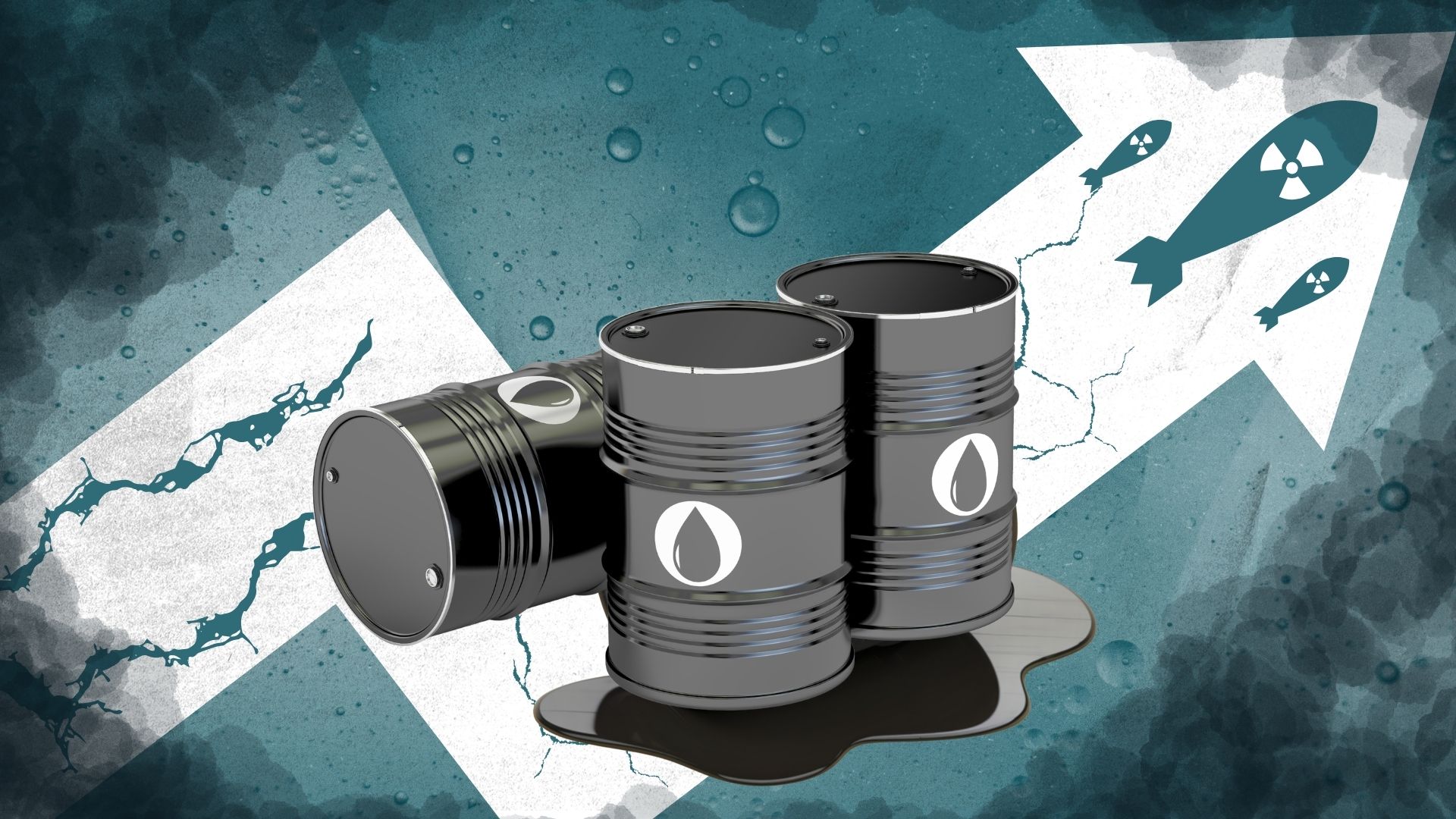
As the conflict between the core countries US, Iran, and Israel continues, periphery countries like the Philippines are taking huge heavy blows to their state, causing massive economic disruptions.
According to the Department of Energy (DOE), the Philippines, as a developing nation, imports about 98% or most of its crude oil supply from the Middle East. However, with the US causing havoc there, oil transportation has stagnated due to important waterways being heavily affected by the tension.
Chokehold Reliance
Nowadays, society is sustained mostly through electricity generated from oil and other fuel supplies, serving as a foundation for daily operation of facilities, economic growth, and other advancements.
While core countries that have strongholds for such resources have little to no problem in coping with global disruptions such as wars, countries that rely on their supply experiences otherwise.
Like so, with fuel and oil supply in chokehold, the Philippines which relies on imports, experiences higher transportation costs, increased cost of food supplies and other goods, increased production costs for industries, household burdens, and overall economic disruption.
Beat-up Economy
Data from the DOE shows that as of the second week of March, the fuel prices are rising in staggering numbers, with gasoline increasing by up to ₱7/L to ₱13/L, diesel by up to ₱17.50/L to ₱24.25/L, and Kerosene by up to ₱32/L–₱38.50/L.
As a result, motorists and the transportation sector are taking a beating.
On March 13, the MANIBELA transport group said it may push for a ₱2 fare hike for Public Utility Vehicles (PUVs) as drivers struggle with the continued rise in fuel prices.
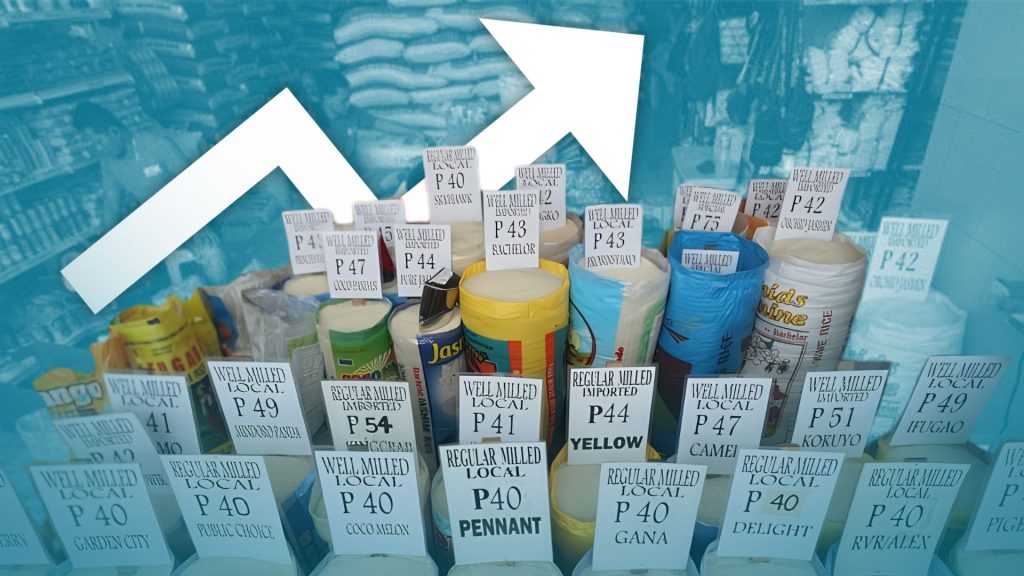
Not only that—because food supplies and other goods come from different parts of the country, they need to be transported to reach various areas. With higher fuel prices, transporting these goods becomes more expensive, leading to an increase in the prices of products sold in local markets.
Renewable Alternatives
To try and combat these effects, it is necessary for the nation to find energy alternatives that will provide the essential power supply for the economy until the oil supply situation is back to normal conditions.
Through combined efforts from both public and private sectors, the International Trade Administration stated that the Philippines aim to achieve a 35% share of renewable energy in the power mix of the country by 2030, and 50% by 2040.
By these numbers, investments in renewable energy is one of the best alternatives to consider, especially in times where oil supplies, which serves as the main source of energy in the country, are low.
And as an archipelagic nation located on the Pacific Ring of Fire, the Philippines can expand on solar energy, geothermal energy, wind energy, and hydroelectric energy.
In a survey, investing in renewable energy, particularly photovoltaic panels and using solar energy, could reduce monthly electrical bills by an average of 40% to 70%.
These alternatives are also not just provisional measures against the current situation of the country, they are also necessities for the future of energy supply.
As conflict between core nations continue to affect global oil supply, resorting to energy-efficient alternatives can increase the chances of surviving the fuel crisis happening in the Philippines.