











Now Reading: TO THE MOON AND BACK: Artemis II successfully on orbit, on course for a defining loop around the moon
-
01
TO THE MOON AND BACK: Artemis II successfully on orbit, on course for a defining loop around the moon
TO THE MOON AND BACK: Artemis II successfully on orbit, on course for a defining loop around the moon

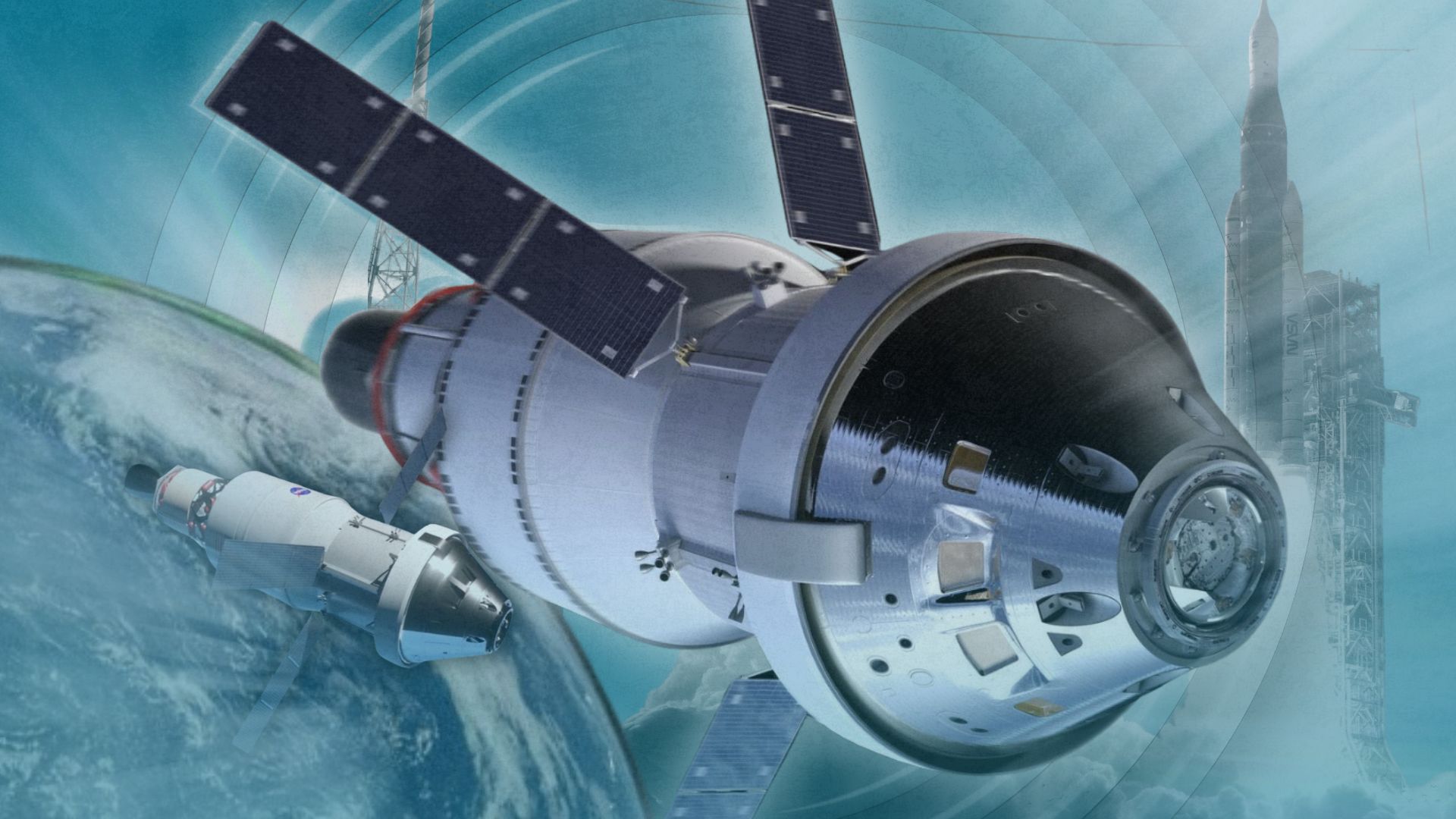
With history set and the future on the line, humanity is yet again on course to define human capabilities.
The National Aeronautics and Space Administration (NASA) has successfully launched Nasa astronauts Reid Wiseman, Victor Glover, Christina Hammock Koch, and Canadian Space Agency (CSA) astronaut Jeremy Hansen to orbit for a packed 10-day mission to the moon, on board a special spacecraft named ‘Orion,’ on April 1, 2026.
However, this time, humans are yet to set foot on the moon — instead, they are tasked to complete a mission as a defining step for the future.
On course for history
The mission is called Artemis II which is under Nasa’s Artemis program that aims to expand space exploration, discovery, and gather scientific evidence for future advancements.
Since the 1970s, Artemis II is the first crewed mission set to travel to the moon, with Apollo 17 under the Apollo space program being the last.
“The nation, and the world, has been waiting a long time to do this again,” veteran Nasa astronaut and Artemis II commander Reid Wiseman said.
The 10-day trial
While their mission is not to land on the moon, it is still packed with significant tasks and is set to have numerous record-breaking milestones.
For first, Nasa astronaut Christina Hammock Koch will be the first woman to be on course to the moon and travel in the cislunar zone — a region of space between the Earth and the moon — while Victor Glover is set to be the first African-American to do so, and CSA Astronaut Jeremy Hansen will be the first non-American to be on the same route.
In addition, according to The Guardian, the mission’s spacecraft, ‘Orion,’ is capable of sending these astronauts farther in space than any other human being, with an expected distance of over 7,400km above the far side of the moon, making them about 407,000km far from home, shattering records from the last mission to the far side of the moon — Apollo 13.
During their 10-day flight, the astronauts will run important tests on life-support systems on board with them in the spacecraft. And as they orbit the moon’s poles, they will take photographs of the moon’s surface for future landings.
Meanwhile, as of April 2, 2026, the flight is in a stage where the crew is assessing how the spacecraft handled the launch from Nasa’s Kennedy Space Center in Florida. This will determine whether the crew is safe to be launched off of Earth’s orbit and proceed to the 390,000km journey to the moon.
A loop for the future
While flight controls continue to monitor the crew’s health and deliver good news, the Artemis space program does not stop with Artemis II.
It envisions more moon missions in the coming future, with Artemis II being just the second in a series of increasingly challenging space missions set to bring humanity back to the moon, Nasa’s Artemis Program stated.
Particularly, Artemis aims to print a human’s step on the moon’s surface once again in 2028 through Artemis IV, if their schedule holds. After that, it is a series of lunar missions roughly once a year from Artemis V.
These space missions will not only break multiple records but define what humanity is capable of. So, as the Artemis II crew traverses in space to the moon, it is only a matter of time until another small step in the lunar surface is taken and one huge leap for humanity is made again.