







Now Reading: When healthcare becomes a privilege, not a right
-
01
When healthcare becomes a privilege, not a right

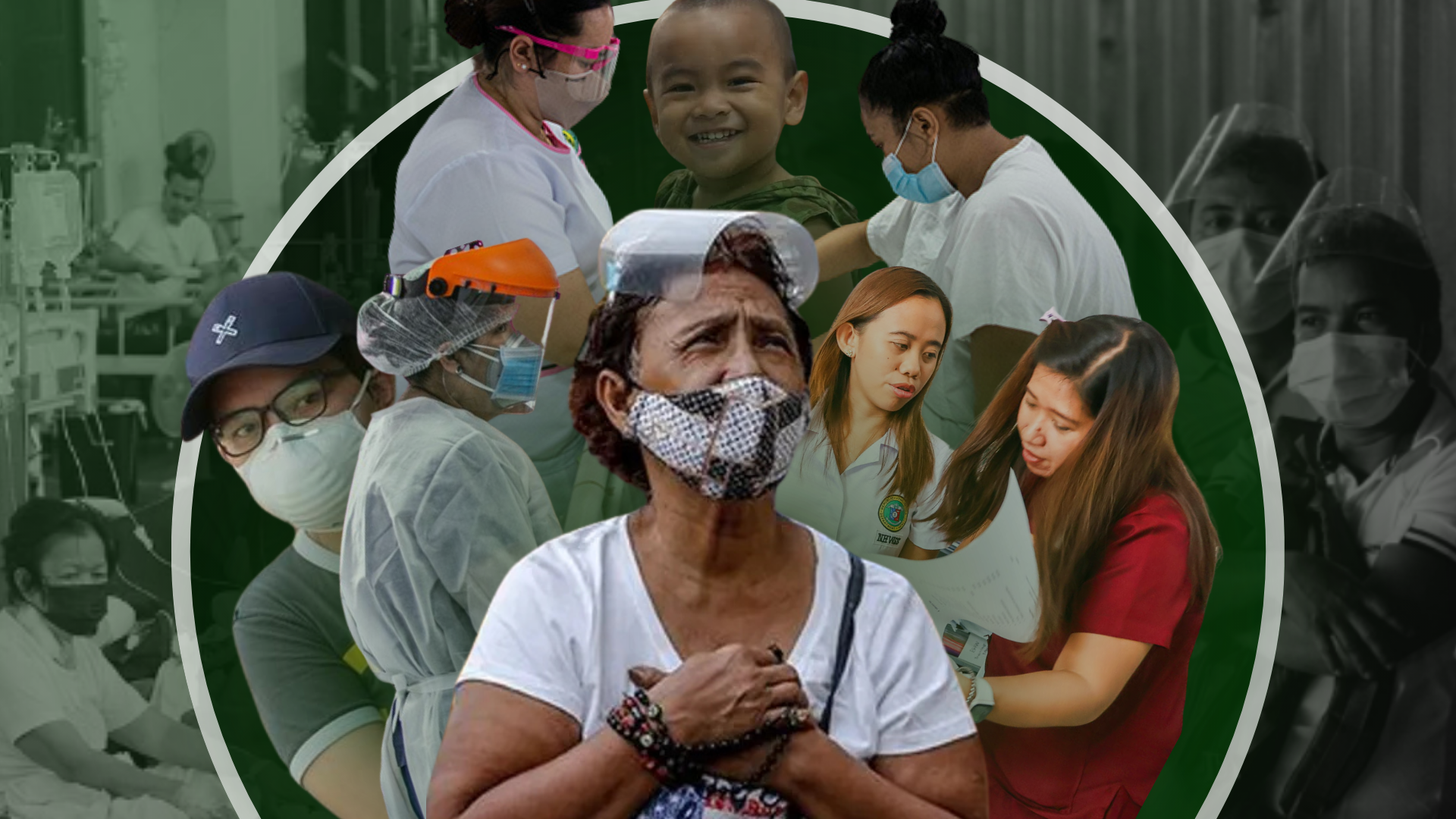
For many Filipinos, getting sick is expensive. It’s not just about recovering, but whether one can afford consultations, tests, medicines, and even the transportation to the hospital.
While the country has introduced many policies, such as the Philippines Universal Health Care Act, to improve access, many still find it difficult for healthcare to reach or sustain. The gap between these policies and the reality many experience remains even more noticeable — and this gap is where most problems begin.
Rising funds, heavier burden
In 2024, total health spending had reached P1.4 trillion, which accounts for around 5% of the country’s economy. That’s about P12,000 per Filipino — a big jump from the P3,000 in 2000.
However, even with this increase, families are still carrying a large part of the burden and are paying so much out of pocket. In the same year, Filipinos spent P615.16 billion from their own money, accounting for nearly half of all health expenses at 42.7%.
And this is where the frustration starts to build — because if the funding in healthcare grows each year, then how come Filipinos’ burden still somehow worsens?
Part of it comes down to how much protection and support people actually receive. While there is PhilHealth that aims to help ease financial burdens, it is still not enough to cover all the expenses, as it covers only 18% of the hospital bills of its members as of 2025. With this, the remaining balance can still be overwhelming, especially for low-income families.
Yet, despite the need for more coverage, the government still defunded PhilHealth in 2025, allocating nothing in the national budget. This directly puts millions of Filipinos at risk of losing coverage.
A system losing its health providers
But even if the government fixes the funding in healthcare, another problem remains — who’s even left to provide the care Filipinos need?
As of 2025, the country only has 7.92 doctors per 10,000 people, falling short of the international minimum standard of 10 per 10,000. Furthermore, there is also a shortage of nurses at around 127,000.
This shortage of healthcare providers lies in the fact that they started leaving the country just after getting a few years of experience, as hospitals abroad offer more benefits than those in the Philippines. Meanwhile, those who stay in the country often deal with long hours, limited support, and systems that make their work even harder. Over time, even the most committed healthcare workers start to question if they can continue.
And so, the system loses its most experienced people in the field of healthcare.
Care remains out of reach, literally
Aside from the healthcare providers, the country is also lagging behind in terms of healthcare facilities itself
In many rural areas, health facilities are either limited, under-equipped, or simply not functioning as intended. Some communities rely only on Rural Health Units or small baranggay health stations that can only carry out and handle basic cases, but are lacking equipment in handling emergency situations, laboratory tests, and specialized care.
Furthermore, even at the hospital level, access remains the same. Not all provinces have enough hospitals, and among those that do, only 43% of Level 1 hospitals are government-owned — meaning, the most affordable options for healthcare are still lacking in many ways.
Nearly 300 health centers that remain unfinished or non-operational. In some areas, buildings are constructed but lack basic necessities such as electricity, water supply, or staffs to run them. Hence, even if infrastructure is counted “available,” it does not necessarily mean that it provides service.
Inequality decides who get treated
At this point, it is clear that healthcare is unreachable for many — and its causes go beyond just funding.
And healthcare shouldn’t feel a risk calculation. It should not depend on how much one earns or where they live, if any, it should be equal regardless of demographics.
The government should address these problems, not when it’s too late already, but now that it is still early, by building a system that cares for those who provide health for many so they won’t leave and ensure that services are delivered for all.
Because at the end of the day, healthcare is about lives — and no Filipino should have to live with the fear that getting sick might cost them everything.