








Now Reading: Journalism is for the people — and so is Science
-
01
Journalism is for the people — and so is Science
Journalism is for the people — and so is Science

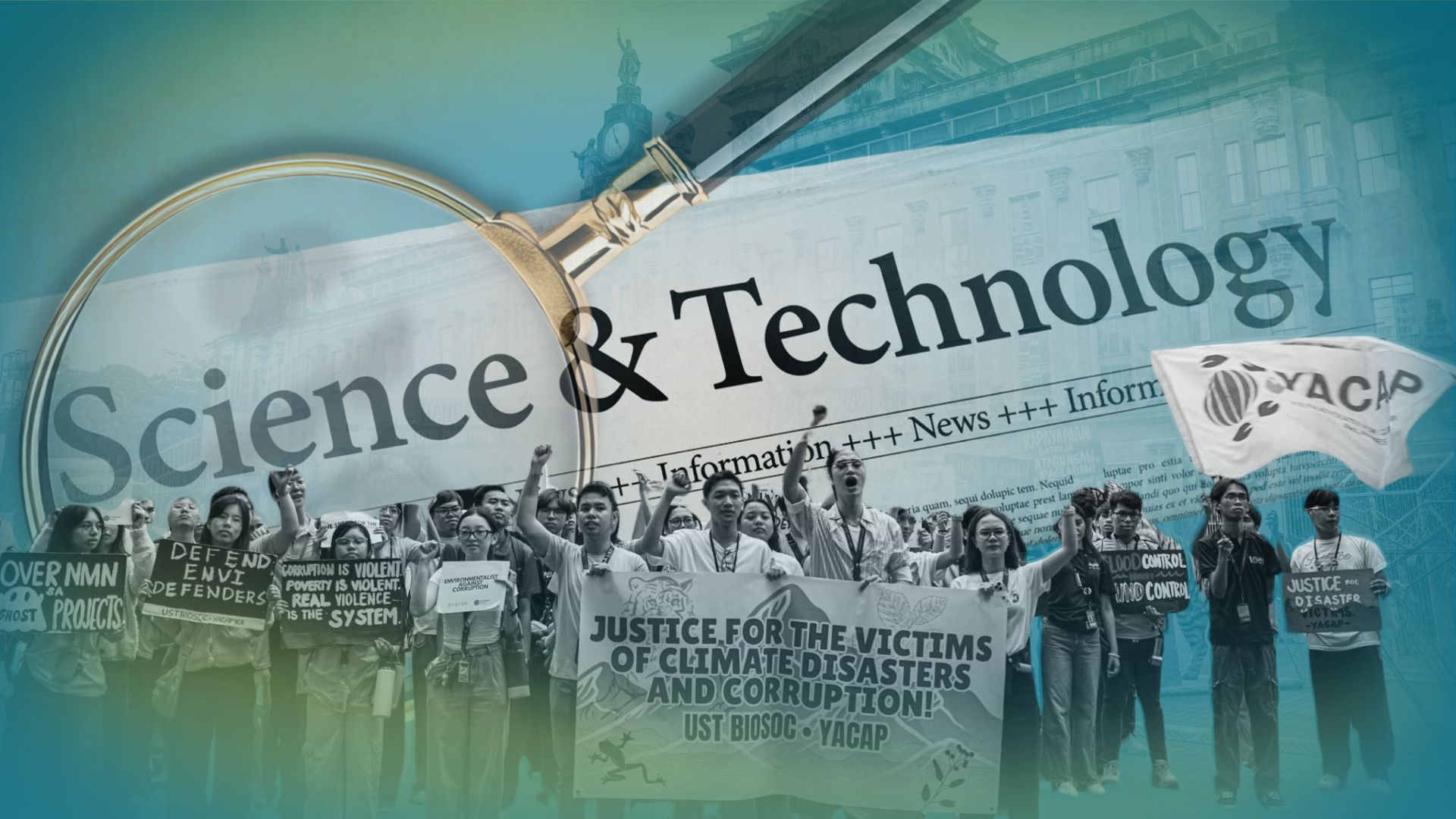
Science is often pictured as intimidating, complex, and even impossible at times. While these are true to its nature, it should not always be the case. Science, at its core, is meant to be communicated, shared, and connected to the people. But without journalism, it may remain as something distant.
This World Press Freedom day, as the public is reminded to safeguard the essence of journalism, the celebration must go beyond politics and press institutions. It must also recognize the importance of journalism to science, because science that is not communicated is a science that fails to serve.
Britannica broadly defines science journalism as a bridge between the laboratory and the public. Complex research discoveries and breakthroughs are contextualized and broken down into simple ideas that a layman can understand.
It reassures people of something that they would otherwise think of as bad or destructive, or even the other way around, providing clarity and understanding.
In 2020, during the Covid-19 lockdown, the masses were informed about the deadly virus not by scientific journals but by journalists. Within months, the public are more informed about how viruses work, as well as the concepts of antibodies, variants, and various vaccines that have different efficacy rates. Without the efforts to translate these, misinformation would have spread just as the virus tended to do.
In the local scene, where scientific discoveries are often driven by small but significant problems in the society, journalism acts as both amplifier and catalyst. It gives attention to problems that demand scientific solutions and gives recognition to innovations that would otherwise go unnoticed. This creates a cycle between communicating problems and relaying scientific solutions, showing the significance of science journalism.
But it should not stop in just communication.
Like how journalism serves as a watchdog for society, it also keeps everything in check in the scientific community. It scrutinizes research procedures, exposes ethical violations, and most importantly, it questions science when it is being unreasonable.
Safeguarding journalism is also protecting science. And as the World Press Freedom day is celebrated, let it also serve as a reminder that communicating science is also journalism, one that connects and protects the people.