


Now Reading: DOH monitors Ebola threat amid WHO alert
-
01
DOH monitors Ebola threat amid WHO alert
DOH monitors Ebola threat amid WHO alert

Deryn Theone Hipe
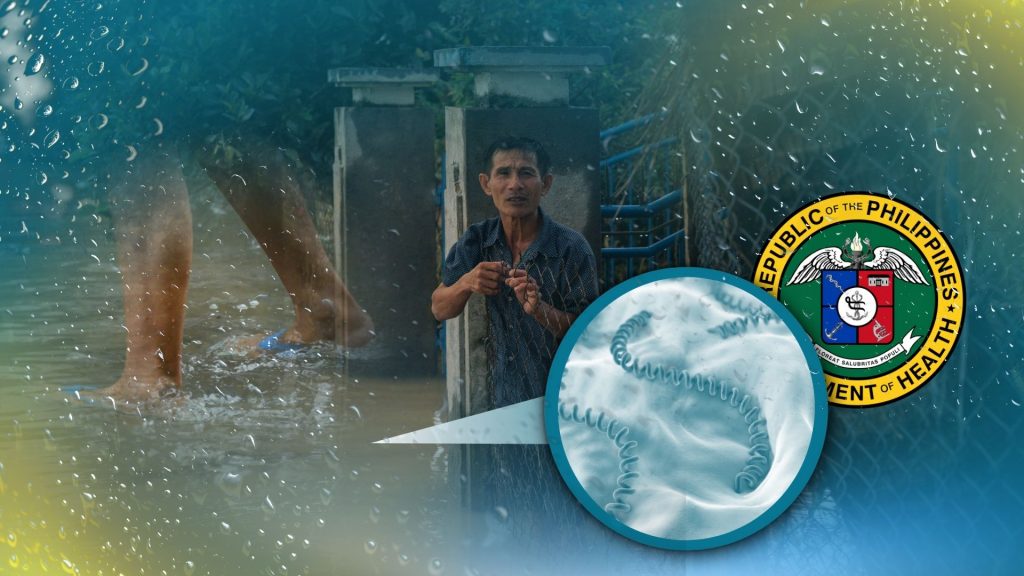
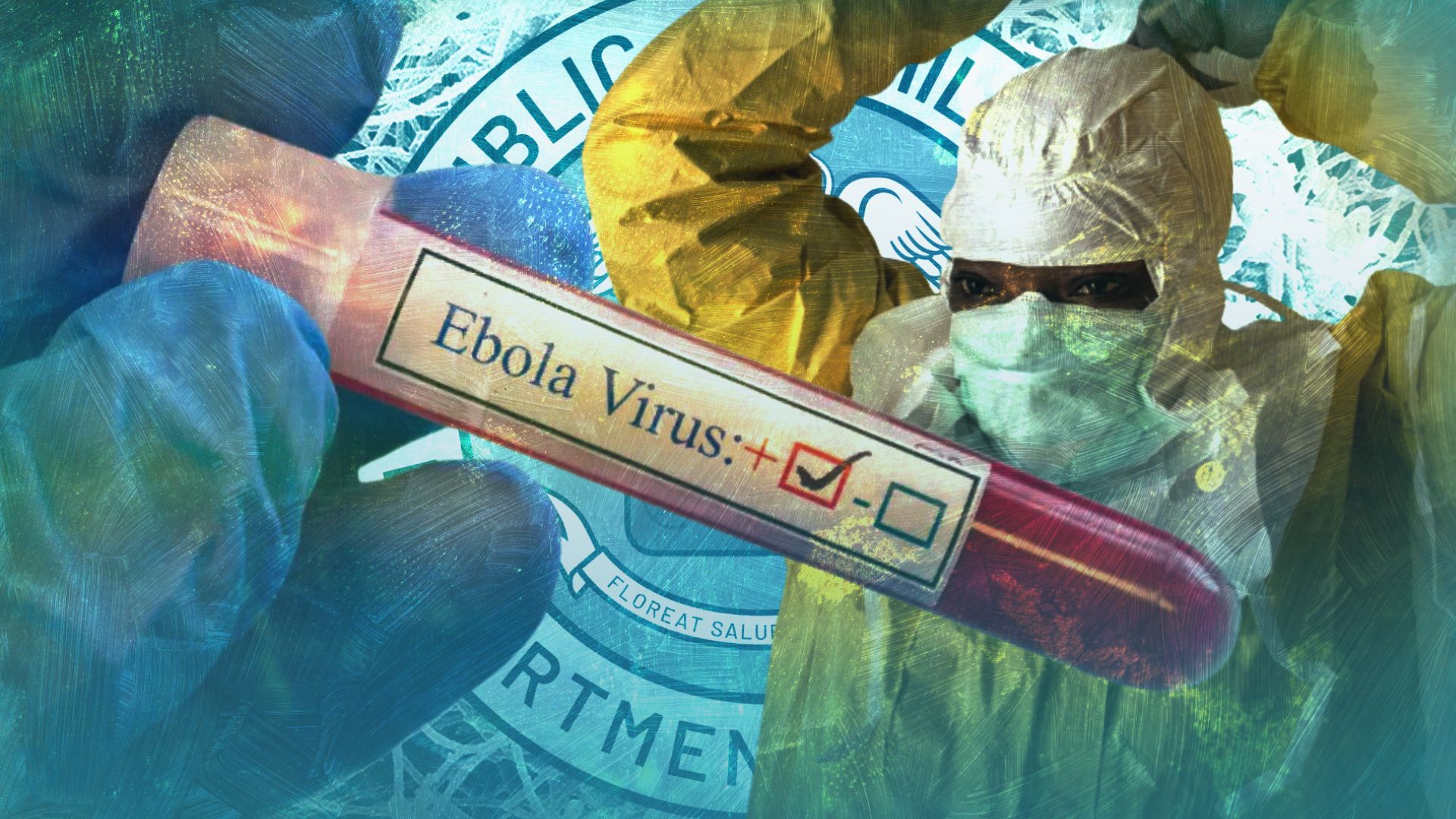
The Department of Health (DOH) said that it remains “ready and alert” as it coordinates with the World Health Organization (WHO) following the declaration of a Public Health Emergency of International Concern (PHEIC) linked to the Ebola outbreak in the Democratic Republic of Congo (DRC) and Uganda.
In a statement made on Sunday, May 17, the DOH affirmed that there are no reported cases of the Bundibugyo strain in the country, and that authorities are on alert amid global monitoring.
The Bundibugyo strain is one of the four types of the orthoebolavirus—a genus of viruses that includes Ebola and similar viruses—that causes illness in people. This rare strain was first identified in Uganda in 2007 and does not yet have an approved vaccine or treatment.
An update made by the Africa Centres for Disease Control and Prevention (Africa CDC) on Saturday, May 18, stated that there are about 395 cases and 106 deaths in the DRC, as well as two cases and one death in Uganda.
“The event constitutes a public health risk to other States Parties through the international spread of disease. International spread has already been documented. Neighboring countries sharing land borders with the DRC are considered at high risk for further spread due to population mobility, trade and travel linkages, and ongoing epidemiological uncertainty,” the WHO said in a statement.
Ebola is a severe disease first discovered in 1976 in two simultaneous outbreaks in South Sudan and the DRC. The virus can directly be transmitted from person to person through the infected’s bodily fluids or blood, even if deceased.
The incubation period or the time between infection and onset of symptoms of Ebola can vary between 2 to 21 days. Like most viruses, it starts with body aches, fever, and malaise, then progresses into diarrhea, vomiting, and impaired liver and kidney functions.
The WHO advises that the general public “should be provided with accurate and relevant information on the Bundibugyo virus disease outbreak and measures to reduce the risk of exposure.”
“State Parties should provide travelers to Bundibugyo virus disease affected and at-risk areas with relevant information on risks, measures to minimize those risks, and advice for managing a potential exposure,” the world body added.