






Now Reading: Who decided that Pride should be apolitical?
-
01
Who decided that Pride should be apolitical?

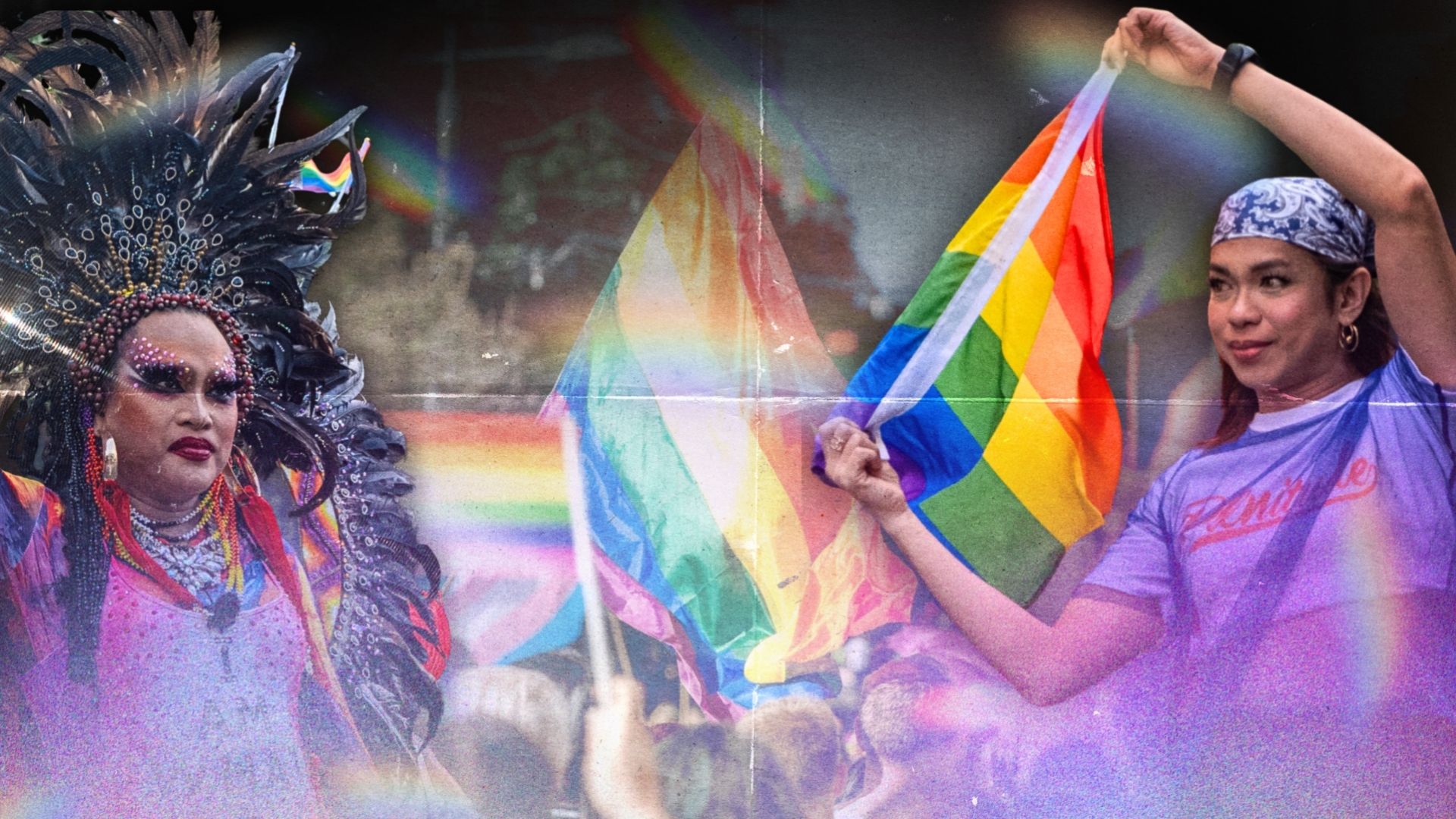
The first ever pride march in the entirety of Asia was held in the Philippines on June 26, 1994. It was known as the Pride Revolution initiated by the Progressive Organization of Gays in the Philippines (PROGAY) and the Metropolitan Community Church (MCC) in Quezon City.
However, March 4, 2016, marked a significant turn in Davao City when the first community Pride March happened. With 200 attendees, the march was used as a platform for demanding true societal acceptance and human rights protection for the queer community as the acceptance of LGBTQIA+ in the Philippines remained significantly low.
But 10 years later, a march protesting to love loudly is now being told to keep quiet.
SEPARATE POLITICS AND PRIDE?
With the recent statement of the Davao City Tourism Operations Office (DCTOO) that the pride march should remain ‘apolitical’ sparks wonders to Dabaweños. The concept of pride being apolitical arose from the local government attempting to implement the event into a tourism-driven festivity.
The DCTOO reminded the public and will enforce strict rules and regulations such as:
- Participants are not allowed to chant anti-government expressions or using the march as an avenue to call out political figures.
- All participants must follow the city slogan “Disiplinado”
- The parade should focus on celebrating the existence of the queer community
However, you cannot remove politics from pride. Because when people debate who deserves to love, love itself becomes political.
BE WHO YOU ARE FOR YOUR PRIDE
Pride marches aren’t just parades that are defined by rainbows and diversity. It’s proof of people fighting for the right to love and be loved, to live, and to exist in a world where fear cannot touch the hearts of those who live in unwarranted hate.
Oftentimes, the people who insist that pride should be apolitical have the privilege to not be asked why they love who they love. Even if pride is being demanded to keep it apolitical, the rights of the queer community are part of politics, as the government and the law itself directly concern and affect them.
In fact, the Sexual Orientation, Gender Identity, Expression, or Sex Characteristics (SOGIESC) Equality Bill’s current status remains on hold and has not yet been passed as a law. Despite it covering protection to both the LGBTQIA+ individuals and all citizens, it continues to fail due to conservative religious groups, regardless of the Philippine state being separated from the church. SOGIESC is long overdue, yet some Filipinos’ stigma, abuse, hate speech, and discrimination keep on putting it on hold.
I WAS BORN THIS WAY
Over the course of years, the protest for the rights of LGBTQIA+ people has been a long fight. And DCTOO’s continued efforts of downgrading Pride Marches to a mere festivity without activism or politics are not making the fight any better.
In the Philippines, this much is clear: out of all things to fear, people chose love.