










Now Reading: Erwin Tulfo pushes ‘no work, no pay’ bill amid scrutiny over officials’ absence
-
01
Erwin Tulfo pushes ‘no work, no pay’ bill amid scrutiny over officials’ absence
Erwin Tulfo pushes ‘no work, no pay’ bill amid scrutiny over officials’ absence

Chrislyne Faith Castillo
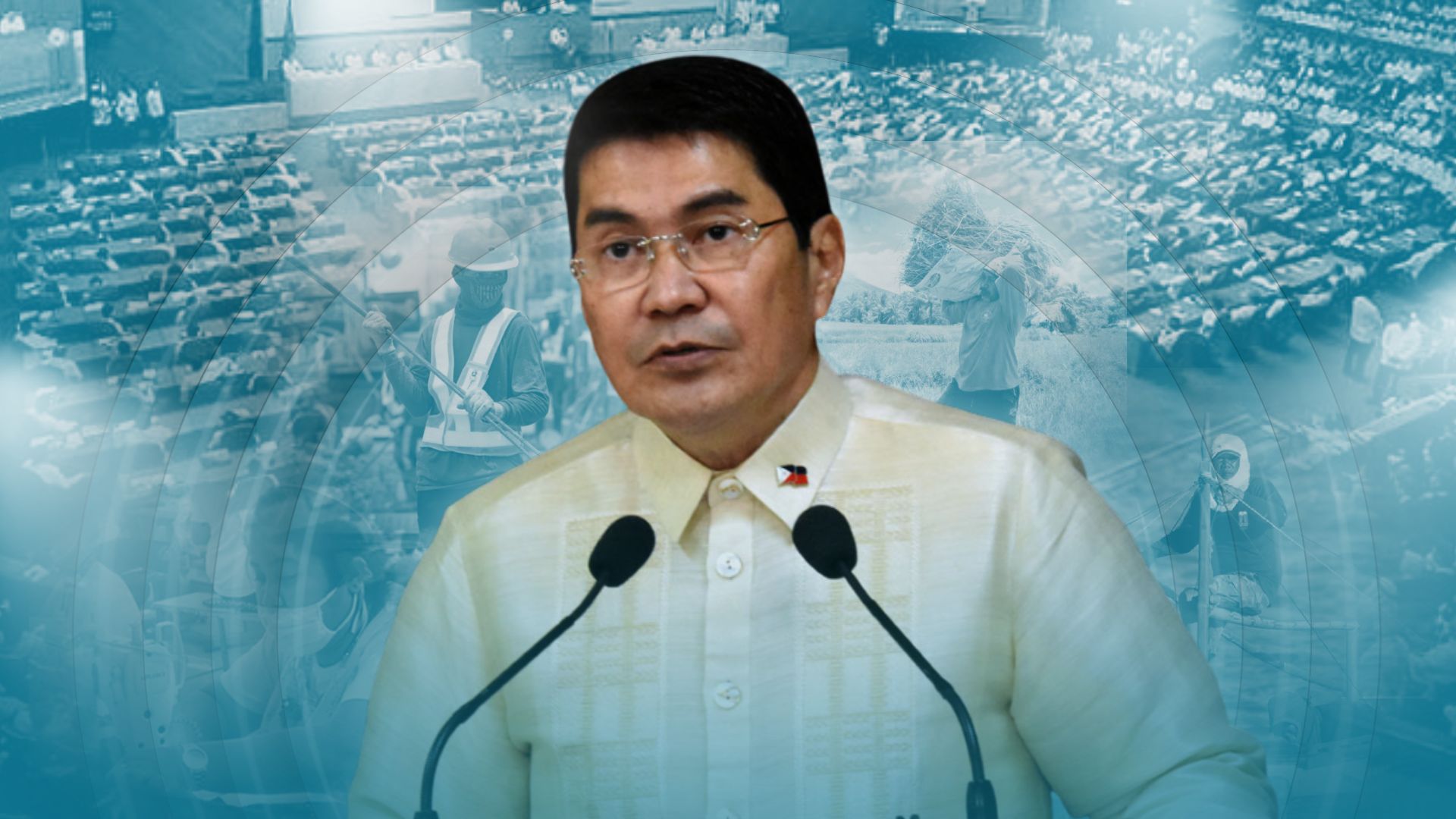
In a bid to promote equality and accountability in government service, Senator Erwin Tulfo announced that he is pushing for a legislative measure that would enforce a strict “no work, no pay” policy for high-ranking government officials who are absent from their duties without a valid reason.
In a press statement released on June 21, Sen. Tulfo said the proposal aims to place public officials under the same professional standards followed by ordinary daily wage earners and administrative staff.
“It should be equal — whether you are an ordinary employee or a high-ranking official, it should be ‘no work, no pay’ for everyone,” he explained.
Tulfo also argued that government leaders should not continue receiving salaries despite prolonged absences.
“It’s embarrassing that our staff or ordinary government employees don’t get paid when they are absent without prior notice, but we officials still get paid even if we are absent for weeks or months,” the senator said.
Who will be covered
Tulfo, who serves as the chairman of the Senate Blue Ribbon Committee, clarified that the proposed legislation would cover the highest tiers of the Philippine government.
If passed into law, the measure will apply to the President, Vice President, senators, district and party-list representatives, Cabinet secretaries, department heads, and other elected local and national officials.
The senator noted that unexcused absenteeism among top officials has historically gone unchecked because subordinates and the public often have limited means to hold them accountable.
“It has become a habit, and no one calls it out even if someone is absent but still receiving a salary. Because they are high-ranking officials, who would dare call us out, right?” he remarked.
Absences under scrutiny
The legislative push comes amid growing attention toward prolonged absences among some members of the Senate.
Public scrutiny intensified following reports that Senator Ronald “Bato” Dela Rosa recorded the highest number of absences, missing 31 out of 58 Senate sessions during the first regular session of the 20th Congress, covering the period from July 28 of the previous year to March 18 which excludes the succeeding months.
Tulfo then contrasted the issue with Senator Jinggoy Estrada’s decision to voluntarily suspend his Senate compensation following his previous arrest on plunder and graft charges.
“I salute Senator Jinggoy because even though he hasn’t been convicted yet, he took the initiative and said he should no longer be paid. That is the right thing to do,” Tulfo stated.
With base senatorial salaries reaching approximately ₱300,000 per month, or roughly ₱10,000 per working day, the proposed bill seeks to prevent public funds from being spent on unperformed duties while promoting greater accountability and discipline in service.