





Now Reading: Physical storage limitations seem to affect how people own media, what can be done about it?
-
01
Physical storage limitations seem to affect how people own media, what can be done about it?
Physical storage limitations seem to affect how people own media, what can be done about it?

Joseph Juanillas
“If buying isn’t owning, piracy isn’t stealing.”
These words continue to stir the internet, especially as Sony announced that it would discontinue releasing physical discs for their PlayStation consoles in 2028.
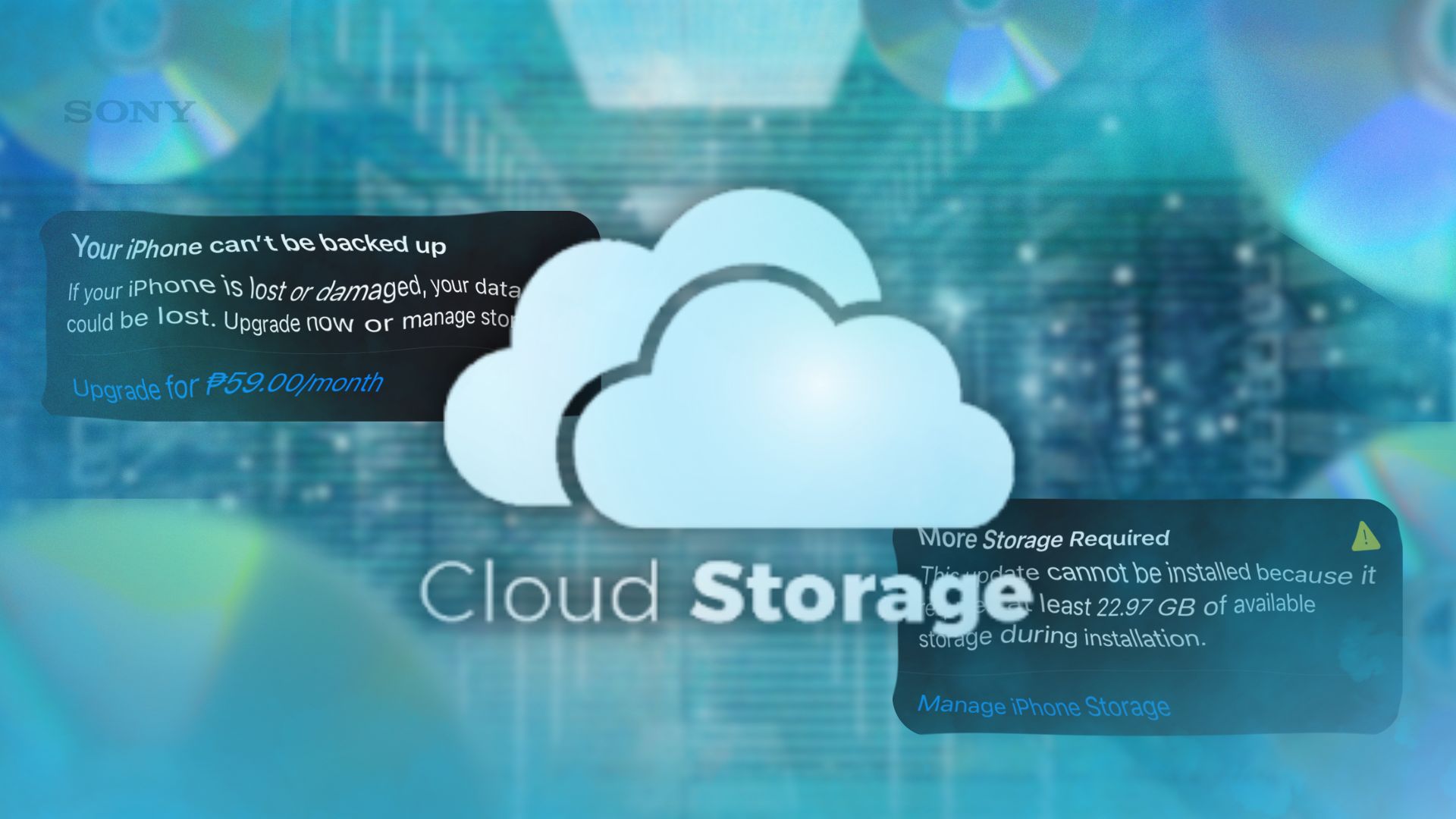
Although most users believe this move is for companies to gain more control over digital purchases, many also forget that most media like games and movies have increased in quality, making them too big to fit in CDs.
But as people continue to buy and consume different forms of media in many ways, most of them do not know what could happen to their purchases at any time, and why we now transition to digital media in the first place.
Continuing to educate the people about how digital purchases work ensures that they are able to exercise their rights as consumers to keep what they have bought with their own hard-earned money.
Why are we going digital, anyway?
Compact discs, or CDs, are storage devices introduced as a way to improve storage in 1982, primarily used in music files to replace vinyl discs, which then improved to be used to store other files, like documents, videos, and video game files.
However, as movies and other files get larger in size as their quality improves, CDs have been outpaced in the past years by Hard Disk Drives or HDDs then by Solid State Drives or SSDs, which can store more data and transfer it faster than ever before.
The larger storage options also removes the need to buy and store large amounts of CDs, which can scratch or break which can result in loss of data, rendering the discs useless.
The improved technology that SSDs have also allowed streaming to function faster and more reliably, allowing services like Spotify, YouTube, and Netflix to serve more users in prolonged periods of time.
The ownership and preservation dilemma
As media transition to digital services, users question if they actually gain full control over their purchases in digital stores, especially when they don’t receive any physical proof of purchase.
Licensing agreements of most digital storefronts state that purchases give buyers a license to use their products, like games and movies, which can be removed when the buyers violate the storefronts’ rules and regulations, or the stores takedown content, due to expired licensing agreements to the providers of the products.
In example, Sony will remove more than 550 movies and titles from PlayStation stores and libraries as the license they have with Studio Canal, the providers of the products, expires on September 1 of this year.
Buyers of digital purchases suffer from these, as they are not refunded on most of these media removals, and they cannot access them anymore as soon as they get removed.
This also makes people return to piracy, as illegally acquired copies of various media, like movies and games that have their anti-piracy features removed, are the ways they can continue to use the stuff they have already purchased.
Making money’s worth
Initiatives and legislation are already starting to take place in the US and Europe in order to push media companies to let users know about, if not completely keep, their digital purchases.
In 2024, California passed a bill that would force digital stores to clearly state that buyers are purchasing games and other media as licenses, like how Steam states the words “A purchase of a digital product grants a license of the digital product on Steam” on the checkout screen.
In Europe, the Stop Killing Games Initiative launched and gathered more than a million signatures to launch am European Citizens’ Initiative, where the European Commission is forced to consider legislative actions, like making gaming companies allow players to play their games even if online services end.
However, Asian countries, like the Philippines, lack these kinds of legislations to improve digital ownership of consumers, especially that Asia contributed around $38 billion in the movie and entertainment industry, and $87.6 billion, which is almost half of the world’s market revenue in the gaming industry in 2025.
As people understand how digital ownership works, they could push to improve legislation that would help build an entertainment and gaming industry that will allow consumers to completely own their purchases, physical or digital, and hopefully create an internet where nothing needs to be pirated.