





Now Reading:
SONA 2026: When the applause ends
-
01
SONA 2026: When the applause ends

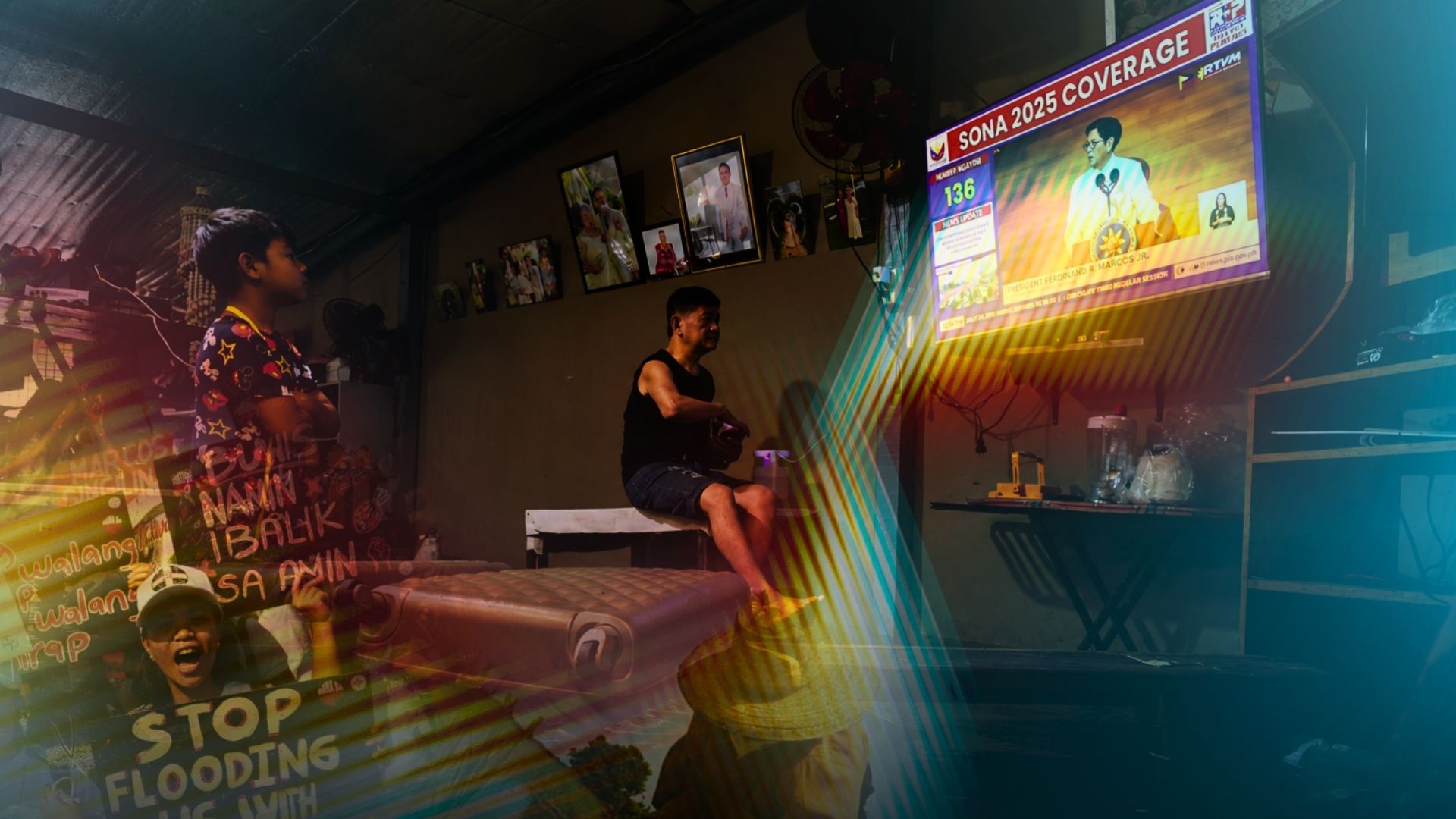
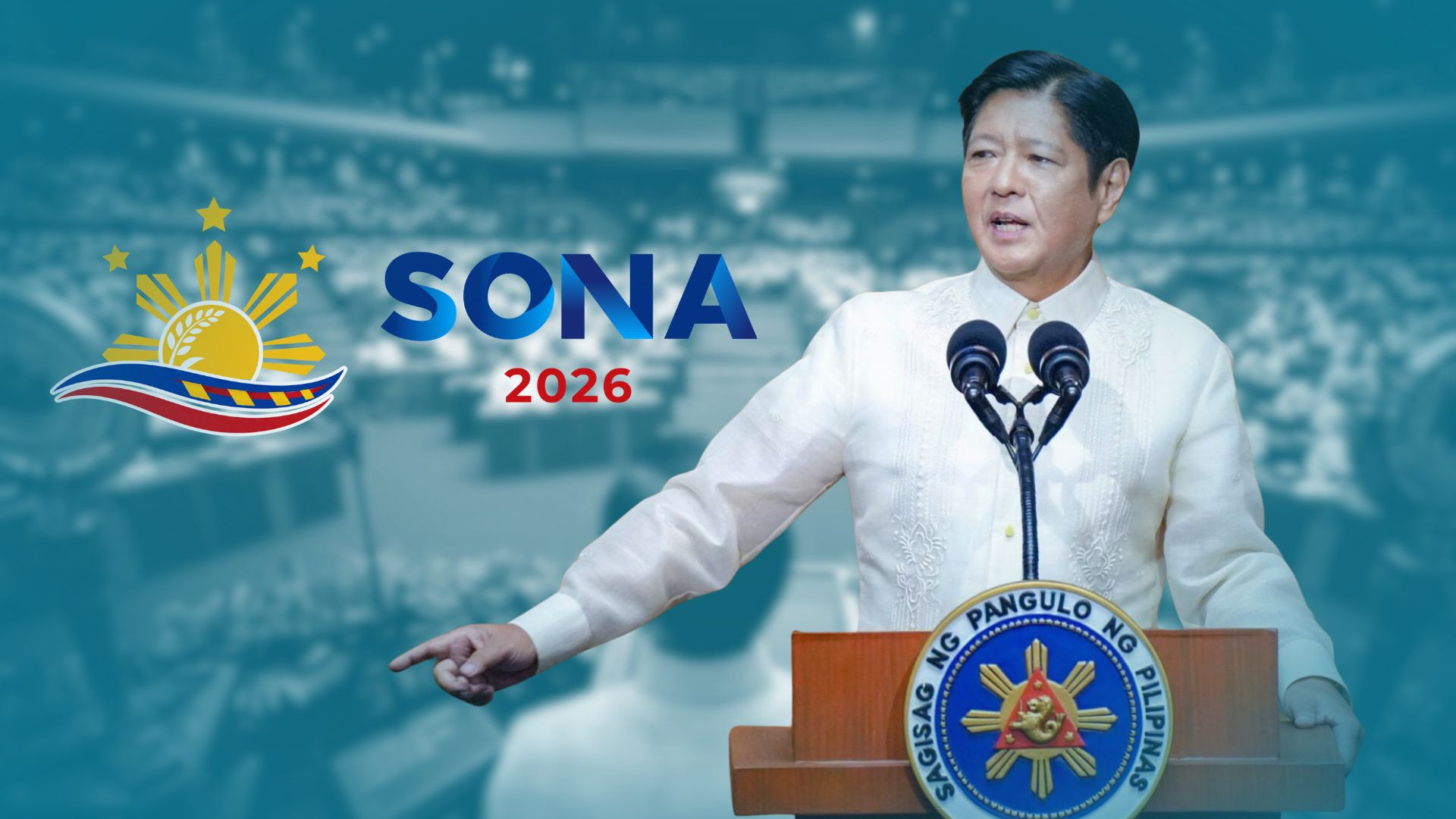
Every State of the Nation Address begins with applause. Inside the halls of the Batasang Pambansa, every line is carefully delivered, every accomplishment acknowledged, and every promise welcomed with standing ovations. Beyond those walls, however, another story unfolds—one measured not by applause, but by flooded homes, empty dining tables, overcrowded hospital corridors, packed commuter terminals, and parents quietly wondering whether tomorrow’s paycheck will still be enough.
For millions of Filipinos, the true state of the nation is never found in a prepared speech. It is lived every single day.
As President Ferdinand Marcos Jr. delivered his fifth State of the Nation Address, the country was no longer waiting to hear what problems the government would identify. Filipinos already know those problems because they carry them every day. They know what it means to rebuild after every typhoon, to budget every meal, to endure long commutes, to pay rising utility bills, and to watch the cost of living outpace their salaries. What they have been waiting for are solutions that move beyond rhetoric, accountability that extends beyond press statements, and leadership measured not by the promises it makes, but by the lives it improves.
Perhaps the strongest message of this year’s SONA was the administration’s commitment to accountability. President Marcos announced that more than ₱800 million in frozen assets linked to the investigation into anomalous flood control projects had already been returned to the National Treasury, while nearly ₱25 billion worth of assets remain frozen. He also disclosed that multiple cases are expected to be filed against former House Speaker Martin Romualdez, admitting that the decision was personally painful but insisting that it was his duty to do what was right.
The announcement carries symbolic weight. But symbolism alone cannot restore public trust. If billions of pesos intended to protect communities from flooding were instead lost to corruption, then every inundated classroom, every submerged neighborhood, every destroyed livelihood, and every family displaced by preventable disasters stand as reminders of what corruption truly costs. It is not merely a crime against public funds; it is a betrayal of every Filipino who suffers the consequences of neglected infrastructure. Recovering stolen assets and prosecuting those responsible should never be treated as extraordinary achievements deserving of applause. They are the bare minimum expected of any government sworn to uphold the law.
That same standard should apply to every promise delivered from the podium.
Moreover, the administration once again highlighted its commitment to strengthening agriculture by expanding irrigation, mechanization, and agricultural infrastructure while pledging to further develop the coconut industry and increase domestic food production. These goals are worth pursuing. Yet food security cannot be measured solely by production statistics or ambitious targets. It is measured by whether families can consistently afford food and whether farmers finally receive a fair return for the labor that feeds the nation.
The president likewise outlined reforms in the energy sector, calling for the removal of the systems loss charge from consumers’ electricity bills, urging Congress to pass the proposed Sariling Kuryente Act, and announcing plans to expand hydropower while exploring the potential of nuclear energy. These proposals recognize a longstanding injustice: for years, consumers have paid for electricity lost through inefficiencies beyond their control. Removing that burden is not a privilege extended by the government but a matter of fairness. Still, reforms cannot be measured by legislative proposals alone. Their success depends on whether they eventually translate into lower electricity costs, more reliable power, and tangible relief for ordinary households already struggling with rising expenses.
Beyond addressing present concerns, the administration also presented an ambitious vision for the country’s future through artificial intelligence, advanced manufacturing, and the U.S.-backed Pax Silica Industrial Hub. President Marcos described the initiative as a catalyst for quality jobs and greater industrial competitiveness, positioning the Philippines within the global AI and technology value chain. However, the numbers tell a more complicated story. While the semiconductor and electronics industry already accounts for 56.9% of Philippine exports, the country remains largely limited to assembly, testing, and packaging—the lowest-value stages of production. Nearly 40% of the industry’s exports are still value-added, proving that the Philippines continues to depend on imported technology and foreign companies rather than developing its own industries. After more than five decades in the semiconductor sector, the country has yet to become a global leader in chip design, research, or innovation.
If this model has failed to deliver genuine industrialization for decades, there is no reason to believe Pax Silica will suddenly change that. Instead of strengthening the country’s technological independence, it risks locking the Philippines deeper into a system where foreign corporations reap the greatest rewards while Filipinos are left with low-value work and limited control over their own economic future. Moreover, Pax Silica raises serious environmental concerns, as AI and semiconductor facilities require massive amounts of electricity and water, while critics warn that it could increase pressure on local resources and deepen the country’s dependence on foreign corporations.
Beyond economic reforms, the SONA also devoted significant attention to social protection, education, and healthcare. The administration announced expanded assistance for minimum-wage earners and poor households, broader PhilHealth coverage for HIV/AIDS and tuberculosis treatment, improved senior high school work immersion, the deployment of 10,000 school counselor associates, and the establishment of a Virology and Vaccine Institute.
None of these are groundbreaking commitments. They are promises Filipinos have heard before, repackaged as renewed priorities while many of the same problems remain unresolved. Poverty persists despite repeated expansions of social assistance. Public schools continue to struggle with overcrowded classrooms, teacher shortages, and declining learning outcomes. Hospitals remain overwhelmed, healthcare remains inaccessible to many families, and medical expenses continue to push countless Filipinos deeper into debt. The problem has never been the government’s ability to announce programs. It has been its ability to deliver them consistently, efficiently, and in ways that ordinary Filipinos can genuinely feel.
The administration also announced the allocation of nearly ₱58 billion to local government units to strengthen public services and highlighted measures to cushion the impact of rising global fuel prices. Yet large appropriations have never guaranteed effective governance. Without transparency, strict oversight, and genuine accountability, billions allocated for development can easily become another headline instead of meaningful change. Public funds do not improve lives on their own. Good governance does.
This has become the administration’s recurring pattern: announce the funding, unveil the program, celebrate the initiative, and expect public confidence to follow. But governance is not measured by the number of gilded promises delivered in a speech. It is measured by whether those proclamations survive implementation and reach the people they were intended to serve.
The fifth State of the Nation Address was filled with ambitious plans and familiar assurances. But after five years in office, ambition is no longer enough. Good intentions no longer deserve applause. Promises no longer earn public trust simply because they are repeated from the podium. Trust is built when flood control projects actually prevent floods, when farmers escape poverty, when electricity becomes affordable, when hospitals become accessible, and when every peso collected from taxpayers translates into better public services.
The real state of the nation is not found in polished speeches inside Congress. It is found in the mother who still skips meals so her children can eat, in the farmer who remains trapped in debt despite government programs, in the family forced to rebuild after every flood while billions meant for flood control are questioned, in the patient who delays treatment because healthcare remains unaffordable, and in every Filipino who continues to carry the weight of promises that have yet to become reality.