







Now Reading: Their hope is on the vote — or is it?
-
01
Their hope is on the vote — or is it?

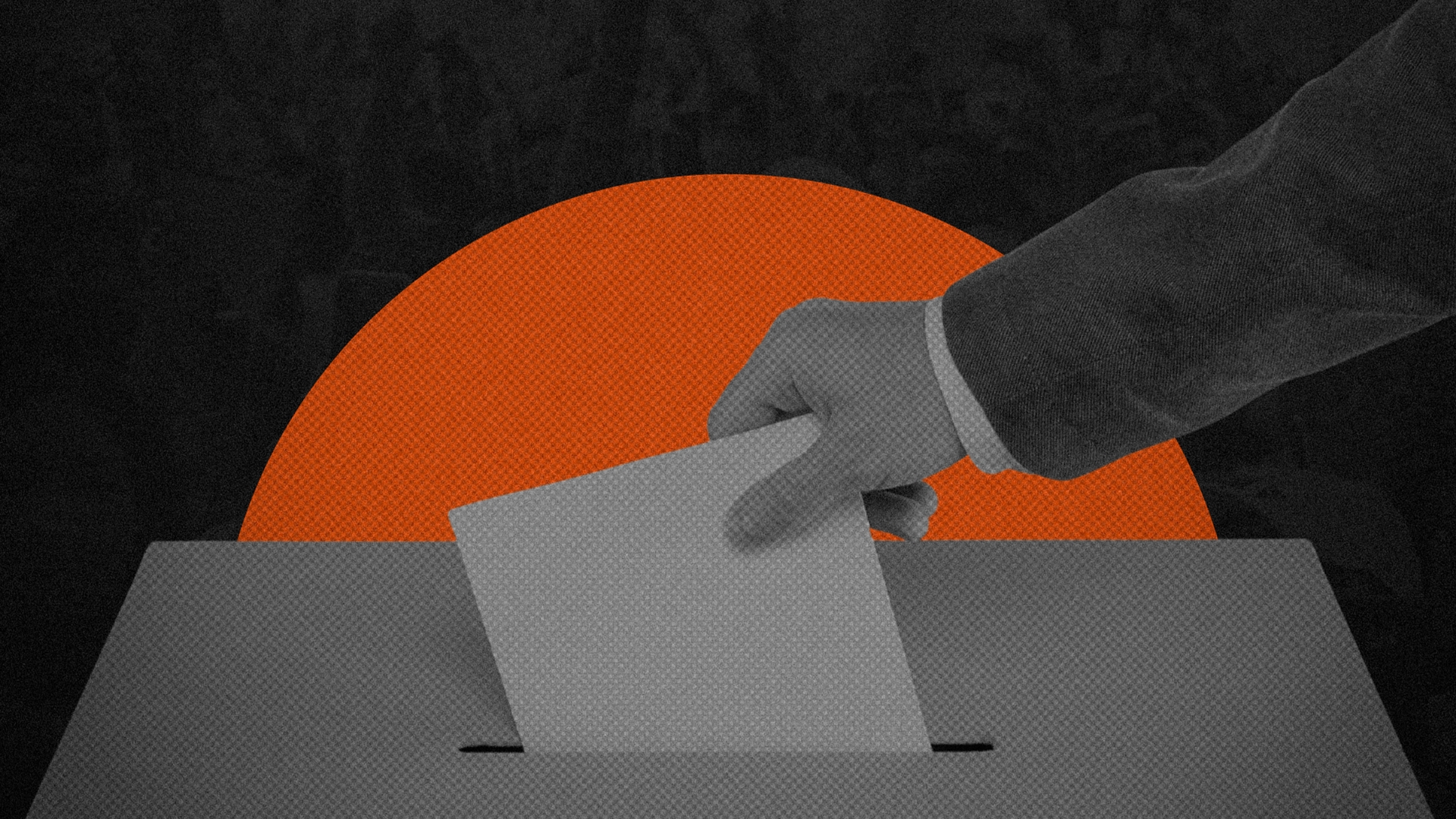
Every nation faces challenges that test its progress and stability. During difficult times, citizens naturally look to their leaders for solutions and accountability. When problems persist, people begin to question not only those in power but also the systems that brought them there. These reactions highlight the important role that leadership and voting play in building a well-governed country.
According to the Chandler Good Government Index, among the 133 countries involved in the data gathered, the top countries recorded with good governance are Singapore, Norway, and Denmark. The Philippines ranked as the 59th country and garnered an index score of 0.533. This means that the Philippines has a moderate level of governance; the government is functional and capable, however, it struggles with leadership and long-term policy implementation. Because of this rank, Filipinos are led to ask the question, “What do they have that we don’t?”
Same goals, different paths
Other countries, such as Singapore, have built systems that prioritize continuity, accountability, and long-term plans. An example of these systems is their public housing system developed by the Housing and Development Board (HDB), which ensures that 80% of Singaporeans have a home. They also make sure that the candidates undergo a strict screening process, including background checks, psychological testing, and integrity assessments. All to make sure that the candidate is qualified to become a leader.
To compare this with the Philippines is much more complicated. Our country continues to struggle with political divisions, corruption, and short-term planning. A prominent example is the Philippines during and after the administration of Ferdinand Marcos Sr.
The country experienced widespread corruption and high inflation, while infrastructure projects, including those related to public transportation, were financed through large foreign loans. Although many of these projects were presented as symbols of development, the heavy borrowing contributed to a growing national debt that affected the country’s economy for years afterward.
Furthermore, candidates are set to follow requirements stated by the 1987 Philippine Constitution and the Local Government Code, which include their citizenship, voter registration, age, literacy, and years of Philippine residency.
While some sectors in the Philippines have shown progress over the years, such as agriculture with a 3.1% growth rate, others continue to lag behind. Critical sectors like healthcare and education often receive insufficient attention, slowing overall national development. As a result, fundamental rights and services become less accessible to many Filipinos, while long-standing social issues remain unresolved.
Filipino Healthcare, despite government funds and programs growing at a rate of 29.5%, remains costly and difficult for families to afford. As healthcare expenses continue to rise, ordinary citizens struggle to keep up with the financial burden and bury themselves in even more debt.
Besides that, 10.7 million Filipinos do not receive education or are out-of-school due to several reasons:
- 42.3% are affected by family matters
- 20.2% struggle with the costs of education
- 19.7% lack interest
These challenges highlight the importance of choosing leaders who can address issues such as these through effective policies and responsible governance.
In many developed democracies, voters often evaluate candidates based on their qualifications, competence, and experience to ensure effective leadership. In the Philippines, however, many citizens are forced to vote for immediate survival. Poverty, unemployment, and economic hardships are influencing factors on the people’s votes, as 15.5% of Filipinos live in poverty while the unemployment rate is at 4.8% as of 2026. This makes short-term assistance or familiar personas more appealing than long-term proposals.
Voting just to survive?
However, this doesn’t mean that Filipinos are incapable of making informed decisions. Rather, their choices may be shaped by their priorities to survive. With 17.54 million Filipinos living below the national poverty line, “ayudas” or government assistance becomes a significant relief. While others may view this as vote buying, they fail to consider the help it offers to families living in poverty. As a result, 38% of voters find it acceptable to choose candidates who promise or provide government support. When daily survival is uncertain, long-term goals take a step back.
Besides election seasons, politicians also provide help and assistance amidst natural disasters. Although these ayudas are of great help to other Filipinos, we fail to consider how they may affect their views on what leadership is. Good governance is not defined by the amount of goods given temporarily, but by a leader who will help no matter the circumstance progressively. A leader Filipinos will trust and should vote for.
What’s a true leader for people?
While everyone has their own ideas of a good leader, a study by Felerina Ellamil showed that a majority of the 1,141 Filipinos surveyed prefer a leader who is empathetic, understanding, and has the capabilities to lead while mentoring. Furthermore, leaders should demonstrate integrity and accountability. Creating decisions not for personal gain, but for the long-term welfare of the nation. And most importantly, they should inspire trust by serving the public rather than themselves.
However, Filipino voting behavior isn’t always reflected by their preferred leadership qualities. Despite these Filipinos stating they prefer a leader who is capable and compassionate, election outcomes show otherwise. Factors such as prominence may influence the people’s votes.
For example, the 2022 and 2025 senatorial elections. In 2022, 47.91% of Filipinos voted for Sen. Robin Padilla. Who recently said, “Humihingi po ako ng tulong kay Google kasi legal terms po ito.”
As he himself has no background in any law. In 2025, 29.52% of Filipinos voted for Sen. Ronald “Bato” Dela Rosa, who is now considered by the Department of Justice as a “fugitive” for going into hiding amidst the International Criminal Court’s arrest warrant.
Towards a new Philippines
The future of the Philippines depends on the public office and the citizens who choose them. Every election is an opportunity to shape the country’s direction. Voting should not be limited to choosing prominent names or short-term promises; rather, it should be about selecting leaders who ensure the country’s growth, include the people’s needs, and are consistent with their approaches.
But how can the people vote for the right leader if they are too focused on their struggles of getting by every day? A society burdened by hardship may not have the time and opportunity to look beyond the promises and truly judge one’s leadership.