










Now Reading: Scientists explain why replaceable batteries are making a comeback
-
01
Scientists explain why replaceable batteries are making a comeback
Scientists explain why replaceable batteries are making a comeback

Dexielyn Halog
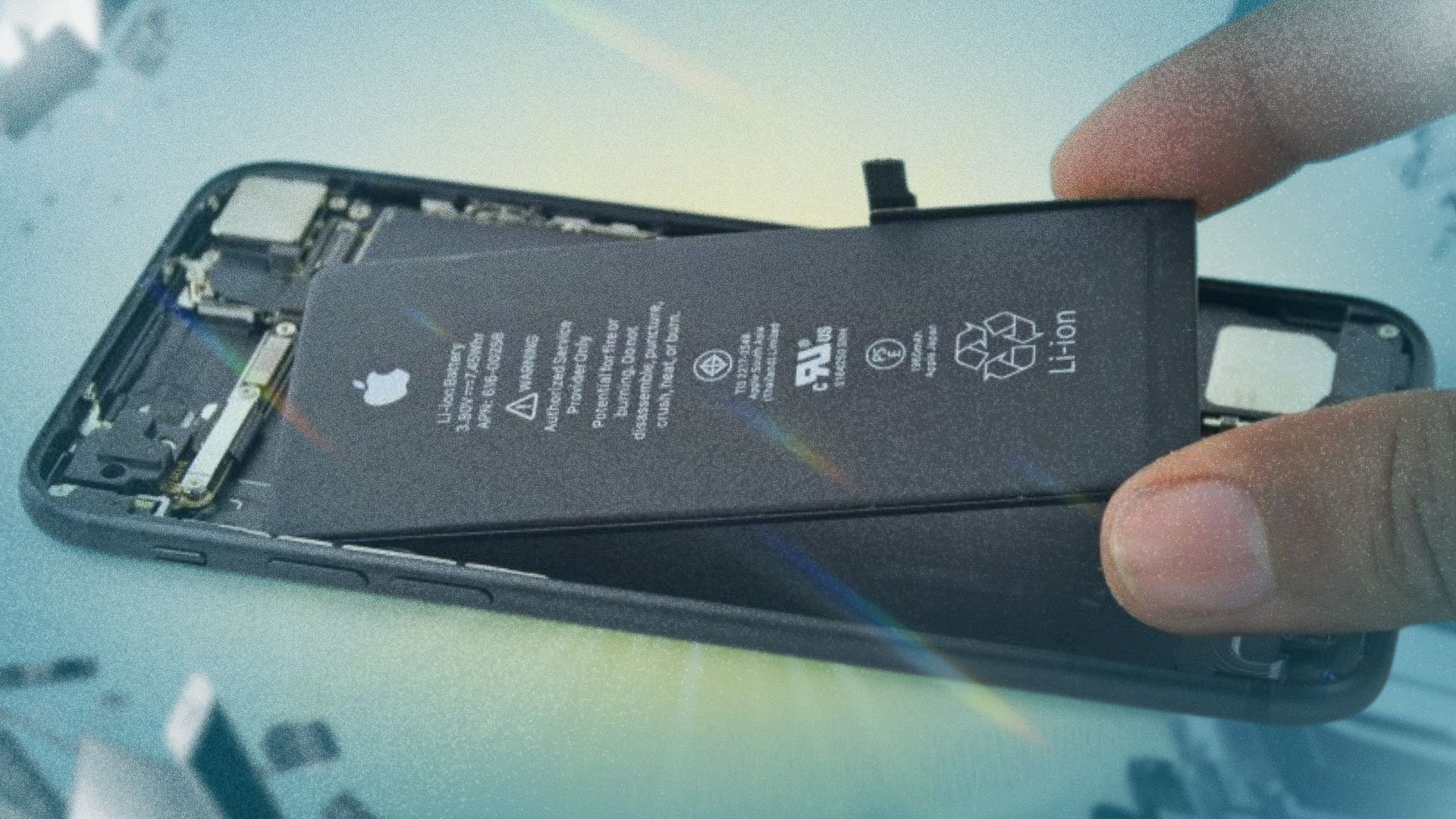
No matter how well you take care of your phone, its battery has one unavoidable fate: it will eventually wear out. Ironically, while batteries are the one component guaranteed to degrade over time, they have also become one of the least accessible parts to replace in today’s smartphones. If batteries are guaranteed to wear out, should replacing them really be this difficult? That question is now reshaping the future of smartphone design.
To help tackle the growing problem of electronic waste, the EU is requiring replaceable batteries in a wide range of battery-powered products, including smartphones, tablets, toys, textiles, and medical devices. While the move may evoke nostalgia for the days of removable phone batteries, the revival is rooted in science instead. Like all lithium-ion batteries, the ones powering today’s devices gradually wear out over time, making battery replacement inevitable.
According to the Clean Energy Institute, the movement of ions in lithium-ion batteries generates the electricity that keeps gadgets running. However, every time the battery is charged and discharged, tiny irreversible chemical changes occur inside it. Over hundreds of charging cycles, this changes the battery’s ability to hold a charge, causing it to drain faster, ultimately defeating its purpose.
If battery wear is inevitable, why are most smartphones built as though it isn’t? Around the mid-2010s, manufacturers began moving away from detachable batteries in favor of sealed, unibody designs. The launch of Samsung’s Galaxy S6 in 2015 marked a notable turning point, replacing the user-removable battery found in its predecessor with a glass-and-metal body that prioritized a slimmer, more premium design. Gluing batteries into place gave engineers more room to fit larger battery cells, improve water and dust resistance, and build thinner, sturdier devices. However, the trend proved a double-edged sword, with short-lived batteries becoming difficult to replace.
Consumers are forced to replace their phones once their battery degrades enough, even when its other components outlive it. The result is a growing stream of electronic waste, ultimately contributing to the growing pollution problem of the planet. According to the United Nations Institute for Training and Research, the Philippines produced 537 million kilograms of e-waste in 2022, making it the 3rd highest producer of e-waste in Southeast Asia.
Extending a smartphone’s life by replacing its battery can reduce the demand for newly manufactured devices, which require raw materials such as lithium, cobalt, nickel, and graphite. Mining and processing these materials consume energy and resources, making battery replacement a simple way to lessen a device’s environmental footprint while keeping it in use for years longer.
The EU now challenges manufacturers to rethink how modern devices are built. Engineers are now exploring ways to make batteries easier to replace without sacrificing the features consumers have grown accustomed to, such as slim designs, water resistance, and durability. Once implemented in 2027, it shows that repairability and premium design do not have to be mutually exclusive.
The return of replaceable batteries isn’t about bringing back an old feature. It’s about recognizing a simple scientific fact: every lithium-ion battery has a limited lifespan. As smartphones continue to evolve, designing devices around that reality may prove just as important as making them thinner, faster, or more powerful.