









Now Reading: A Jack of all subjects
-
01
A Jack of all subjects


Imagine spending years mastering one field, only to be told that tomorrow, you’ll be teaching another. For many Filipino public school teachers, this is not a thought experiment — it is reality.
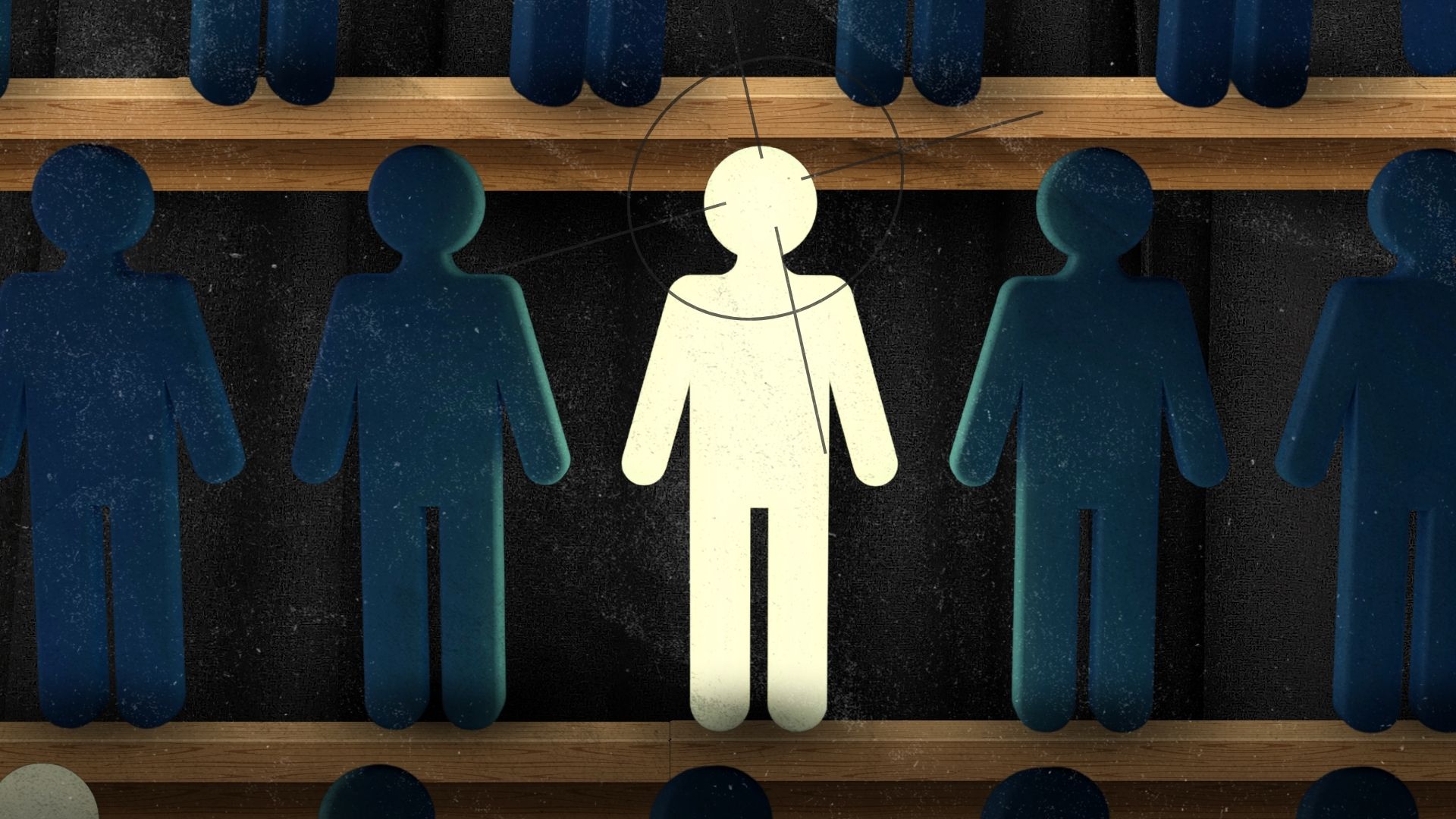
According to the Philippine Business for Education (PBEd), about three in four public school teachers are assigned to teach subjects outside their areas of specialization. Despite the government’s creation of thousands of new teaching positions, the country still faces a shortage of around 23,000 teachers. To keep classrooms running, many schools have little choice but to assign teachers beyond the fields they were trained to teach.
At first glance, it may seem like a practical solution. Every classroom has a teacher, every subject has someone standing in front of it, and classes continue as scheduled.
But the question is not whether there is a teacher in the room. The question is whether the system has placed the right teacher there. This is not a criticism of Filipino educators. If anything, it is a testament to their commitment. They continue to adapt, study unfamiliar lessons, and shoulder responsibilities far beyond their job descriptions because they refuse to let their students suffer. But resilience should never become an excuse for poor planning.
Beyond the statistics, I have seen what this looks like inside the classroom. During the four years I spent in junior high school, several of my teachers handled subjects outside their areas of specialization. They struggled, not because they lacked intelligence or dedication but because they were expected to teach lessons they had not spent years preparing to master. Still, they came to class every day, studied on their own, and did everything they could to give us the education we deserved. Their perseverance was inspiring. But it also revealed something deeply troubling: the education system had become too dependent on their sacrifice.
Moreover, PBEd emphasized that teacher specialization is essential to improving foundational learning, especially as Filipino learners continue to struggle in national and international assessments. That struggle is evident across nearly every measure of educational performance.
Furthermore, the World Bank reported that 91% of Filipino children aged 10 cannot read and understand a simple, age-appropriate text, meaning nine out of ten learners fail to develop the literacy skills they need before reaching higher grade levels. The country’s performance in the Programme for International Student Assessment (PISA) tells a similar story. Filipino students ranked among the lowest-performing participants in creative thinking, highlighting persistent gaps in critical and analytical skills. More recently, PBEd revealed that nearly all Grade 12 students who took the 2024 National Achievement Test failed to reach the proficiency benchmark in core competencies.
No single statistic can fully explain the learning crisis.
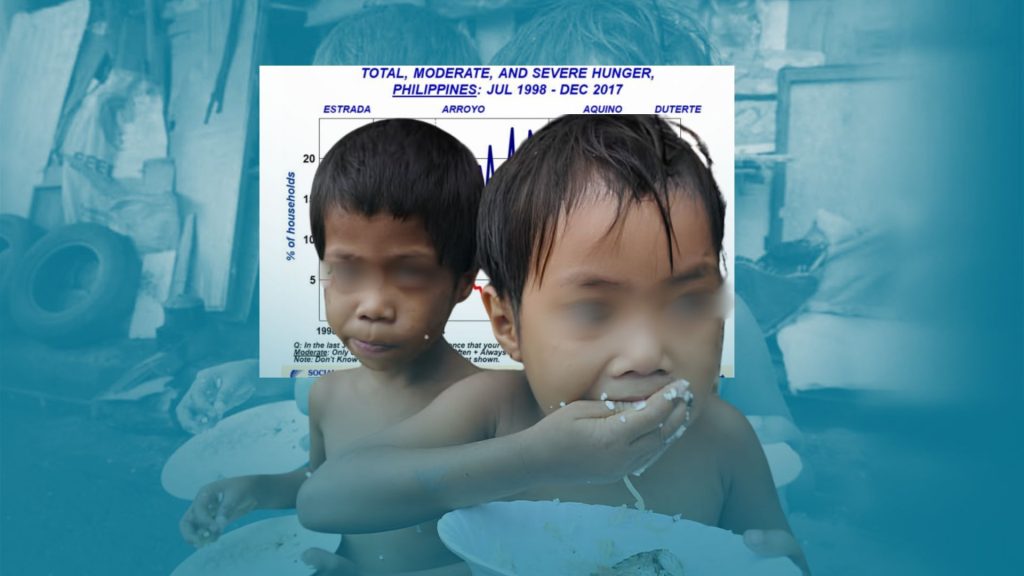
Additionally, teacher specialization is only one piece of a much larger puzzle. Many schools continue to struggle with overcrowded classrooms, shortages of books and personnel, and even basic necessities. Reports from Development Aid emphasized that around 5,000 schools still have no electricity, while 10,000 lack access to clean water. At the same time, the Philippines allocates only 3.6% of its gross domestic product to education, well below UNESCO’s recommended investment of 4% to 6%.
When schools lack teachers, existing educators are assigned outside their expertise. When classrooms lack resources, teachers spend even more time compensating for those deficiencies. When funding falls short, the burden is quietly transferred to the people standing at the front of the classroom. Teachers have become the system’s safety net.
However, some people argue that assigning teachers outside their specialization is unavoidable. A vacant classroom benefits no one, and in many communities there simply are not enough qualified teachers to match every subject. Many educators willingly accept these assignments because they would rather learn a new subject than leave students without instruction.
Still, necessity should never become normality. A teacher’s willingness to adapt should be admired, not exploited. The fact that educators continue to perform beyond what is expected does not mean the system is functioning well — it means teachers are preventing it from collapsing. As PBEd itself stressed, the country must strengthen teacher recruitment, improve deployment, invest in professional development, and ensure that education reforms remain consistent across administrations. As PBEd Chairman Ramon del Rosario Jr. aptly said, “A child gets only one First Grade, only one Sixth Grade, and only one chance to graduate from high school prepared for what comes next.”
Every child only gets one chance.
Every year spent learning from a system struggling to match teachers with the subjects they know best is a year that cannot be repeated.
Filipino teachers have proven time and again that they are willing to go beyond what is asked of them. They stay after hours, spend their own money on classroom materials, adjust to unfamiliar subjects, and continue teaching despite overwhelming challenges. Their dedication deserves gratitude.
But gratitude alone will not solve a teacher shortage, strengthen learning, or repair an education system that has leaned on sacrifice for far too long.
More importantly, the government must invest in better teacher recruitment, strategic deployment, sustained professional development, and adequate funding so that educators can teach the subjects they were trained to master, not the ones they are simply assigned to fill.
After all, a jack of all subjects may keep the classroom running, but it should never become the standard for quality education. Teachers deserve the opportunity to become masters of their own fields, and students deserve to learn from them. Until then, the greatest lesson our education system continues to teach is not found in any textbook — it is that dedication can keep a system standing, but it can never replace the reforms needed to make it work.