Now Reading: When oppression fuels the art of expression
-
01
When oppression fuels the art of expression

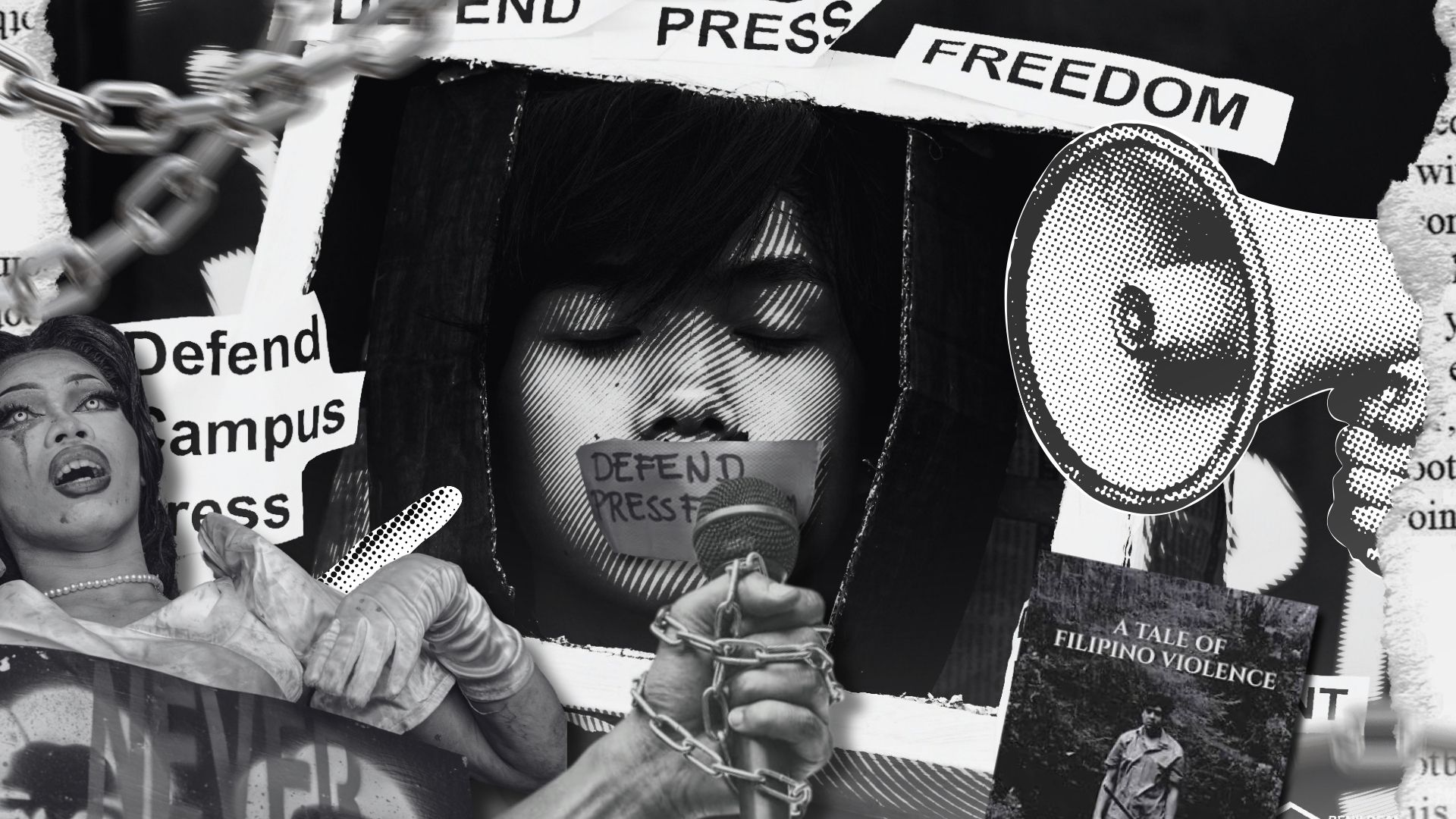
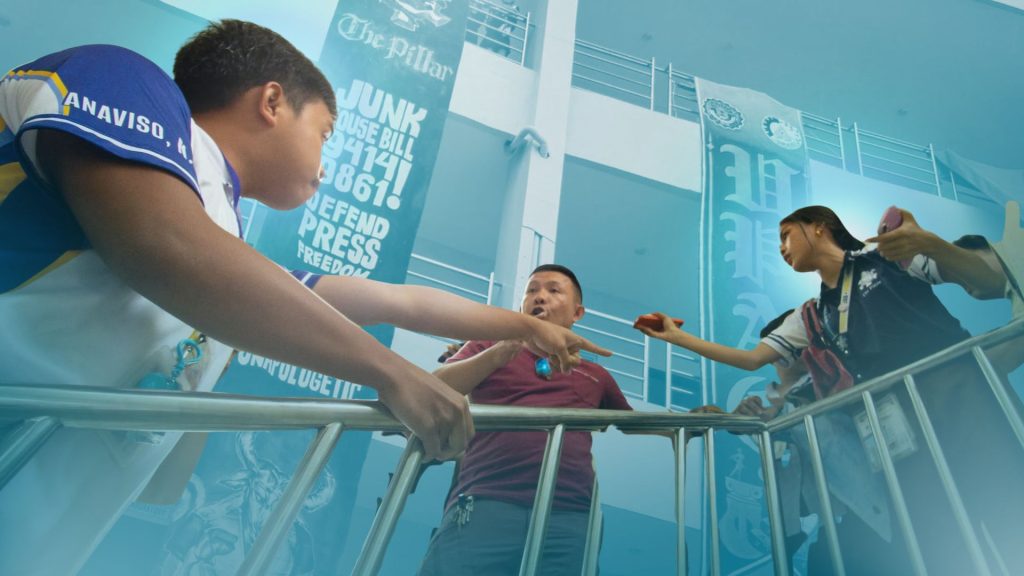
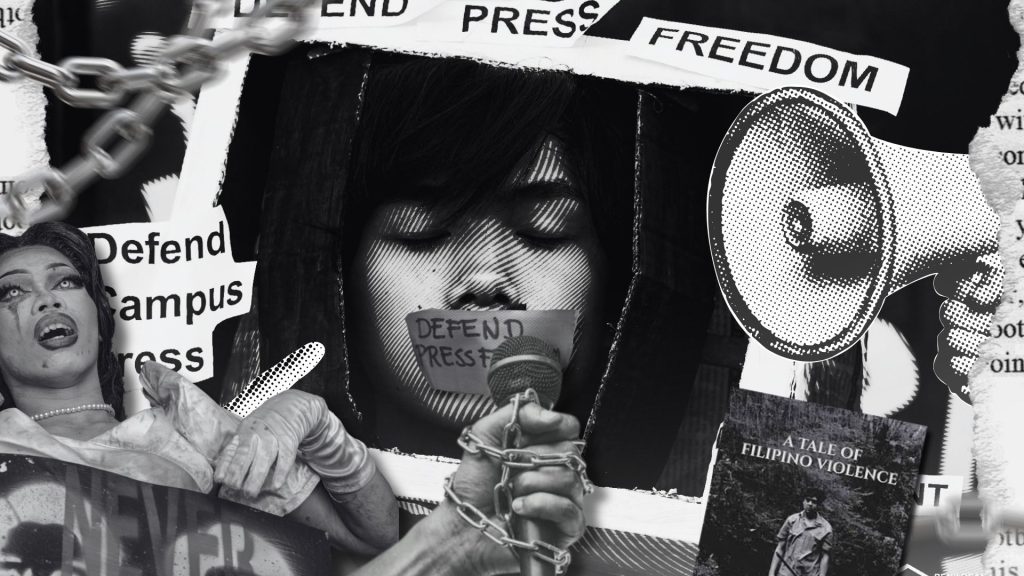
“Defend Press Freedom” is a phrase often seen in certain rallies and may sound irrelevant to many, especially when information today appears readily accessible. What happens nowadays can be received by the public within seconds through mainstream media such as television and newspapers or through social media platforms, where news can also circulate alongside entertainment.
Yet the Philippines continues to lack a secure environment for journalists and press freedom, Reporters Without Borders described the country as unsafe for journalists, despite moving from 116th to 114th in the 2026 World Press Freedom Index, with a score that still places the country under the “difficult” category. This suggests that accessibility to information today does not necessarily mean that freedom of expression is fully secured.
Freedom to express does not take one rank-up to be established
It is important to note that an improvement in the press freedom ranking does not indicate that Filipinos have achieved complete freedom of expression, whether in journalism, film, or theater. Filipinos remain highly exposed to false information, as reflected in the 2025 Reuters Institute Digital News Report (DNR).
The report found that 67% of Filipinos were concerned about misinformation and disinformation. This continuing problem has strengthened the need for fact-checking and greater caution when choosing sources of news. At the same time, censorship and other restrictions can affect how people understand society, politics, and public issues. When access to reliable information is weakened, the public may have greater difficulty distinguishing fact from falsehood and making informed decisions, particularly during elections.
This is why free media and reliable information remain necessary. They allow people to understand:
- Government action
- Leaders and their decisions
- Problems and abuse
- Issues affecting society
Journalists who seek to report these realities should not have to face red-tagging or threats. Their criticism and difficult questions, whether delivered through journalism or artistic forms, can hold those in power accountable and contribute to good governance.
Dissemination to suPRESSion
The emancipation of films and public media once occurred before the one we are seeing today. Although now it was still risky, it still showed that a vibrant press was developed long ago when Philippine Independence happened in 1946. But what drove the shift from dissemination to suppression?
The Marcos regime caused:
- 8,000 job losses of media staffers
- Of the 18 newspapers operating before Martial Law, only 2 survived.
- The establishment of the Department of Public Information (DPI) by Marcos, which replaced the media stations and publications that were shut down.
- Arresting journalists and publishers
- Supporting media organizations loyal to his administration
Not all media outlets were completely stopped from operating. Some, such as the Philippine Daily Express and Kanlaon Broadcasting System, were allowed to continue broadcasting. However, these outlets were reportedly owned by Marcos crony Roberto Benedicto, who also held several government positions under his rule.
Several media personalities were also arrested and imprisoned during the first week of Martial Law, including:
- Teodoro Locsin Sr.—publisher of Philippines Free Press
- Chino Roces—publisher of Manila Times
- Amando Doronila
- Luis Beltran
- Maximo Soliven
- Juan Mercado
- Luis Mauricio
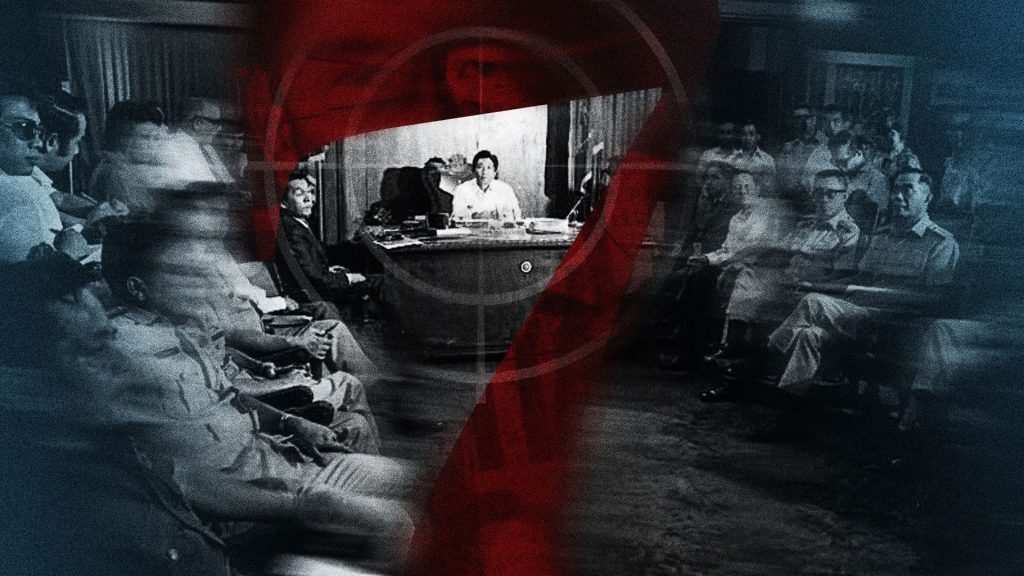
The arrests showed how the media was among the sectors targeted during the early days of Martial Law. According to accounts of the arrests, Philippine Constabulary chief Fidel V. Ramos reportedly told the detained journalists:
“Nothing personal, gentlemen. I was ordered to neutralize you.”
The restrictions also extended to film. While the newly created DPI directed news media to publish “news reports of positive national value,” the Letter of Instruction No. 13 was issued on September 29, 1972, prohibiting films that:
- Encouraged rebellion or resistance against the government.
- Reduced people’s trust in the government or authorities.
- Praised criminals or supported criminal acts.
- Focused mainly on violence or pornography.
- Insulted a race or religion.
- Encouraged the use or trade of illegal drugs.
- Were considered against the law, public order, morals, or government policies.
Mijares documented the DPI’s media controls in his 1976 book, The Conjugal Dictatorship of Ferdinand Marcos and Imelda Marcos.
What pushing factor did Marcos hold to proclaim the Martial Law?
His desire to retain the power he had as president therefore led to not just covering any truth that put a bad image on his surname or selectively releasing information that asserted a positive description of their regime, but also to being an architect of the fear and violence. Mijares admitted his contributions in a memo to the U.S. House International Organizations Subcommittee, describing how he helped conceal abuses by the government, fabricate scenarios, and put the blame on communists to justify Martial Law, even though Marcos was allegedly behind these actions. . Some of the actions allegedly used to create fear included bomb attacks, placing explosives in civilian areas that resulted in innocent people being killed, and threatening election officials and members of the Constitutional Convention with violence. Even under Marcos’s authoritarian rule, he continued to deny the existence of censorship, claiming on NBC’s Today Show in 1974 that the media was not being censored.
Who decides what the screen can say?
This absence of complete expression—whether in media or any form of art commonly used to deliver messages about our status quo—is not new to theatrist, journalists, or artists. They already experienced the much bigger battle of conveying messages for the nation during the late dictatorship. This is not just simple data or a classification of how press freedom was oppressed; it is a history that showed how suppressed people could find a path to reveal the truth and realities through different means.
“Mas sumigla kami. Kung kailan ang lakas ng oppression, ang lakas ng pag-suppress sa tao, doon naman lumalakas iyong pwersa sa loob mo na gusto mong magsalita, magkwento, tumutol…”
—Ricky Lee, Filipino screenwriter and journalist
September 20, 2020
On the 48th anniversary of Marcos’ declaration of Martial Law
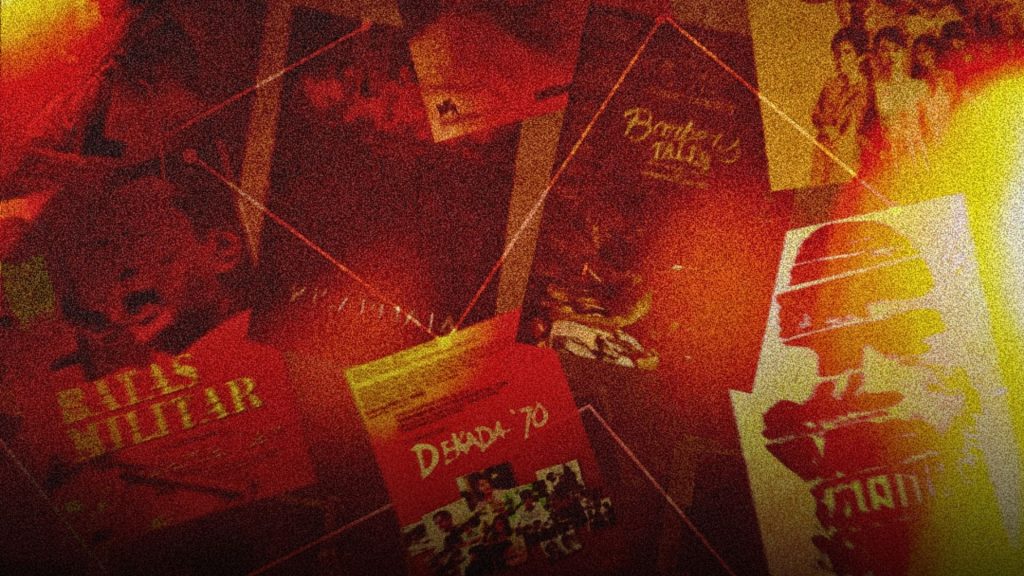
The discussion, called Ganito Kami Noon, Ganito Pa Rin Ba Ngayon? : Pelikula, Paniniil, and Pagpalag, organized by Filipino actors’ group AKTOR, artists’ group DAKILA, Philippine Collective for Modern Heroism, and the Regional Filmmakers Network as part of the Active Vista International Human Rights Festival, discussed that during Martial Law, mass media and cinema faced strict control and subdued speech under the administration. This environment strengthened the arts, particularly the film industry, as artists continued to explore ways to address the realities surrounding them. This period contributed to the second golden age of Philippine cinema, following the recognition of the 1950s as its first golden age.
According to Xiao Chua, a Filipino public historian, the first three restrictions indicated that LOI 13 was strictly implemented, while the fourth, which focused on violence and pornography, was enforced less strictly, allowing some films to continue being shown. Filmmakers also went through several levels of censorship, from having their scripts reviewed and getting permission to shoot to having the completed film examined. For example, Moral (1982) was reportedly shortened by 23 minutes because of scenes involving an NPA rebel and “salvage.” Despite these restrictions, filmmakers found subtle ways to discuss social and political problems. Lino Brocka’s Maynila sa mga Kuko ng Liwanag, for instance, presented issues such as poverty and difficult urban life without directly criticizing the government. Lee also shared how censorship affected his work, including being unable to use his real name as a credit for Dragnet (1973).
With these restrictions, film production was never easy during the Marcos regime, especially as Marcos and his allies took greater control over the film industry. Some filmmakers chose to self-censor to avoid being blocked or punished, reducing the number of films that openly discussed government actions and social problems and limiting the diversity of stories and perspectives available to the public.
UnsuPRESSed
The end of Martial Law in 1981 gave journalists greater freedom to report on torture, arrests, and killings and pursue more assertive journalism and filmmaking. However, certain topics remained prohibited, leading to self-censorship and altered content out of fear of punishment or harassment.
Marcos was ousted in 1986 following the EDSA Revolution. Corazon Aquino, wife of then-Senator Benigno “Ninoy” Aquino Jr., a known critic and opponent of Marcos, assumed the presidency. During her initial term, her administration began dismantling the dysfunctional system left by Marcos, allowing opposition newspapers to emerge. The Philippine press then became more active, with around 75 daily newspapers emerging.
Through time, particularly after the dictatorship, Philippine Independent Cinema provided Filipinos with an avenue to articulate their criticism, political views, or ideas through the provocative art of film.
These films reflected the country’s society, revealing conflicts between the masses and elites. This development reached the 2000s with the introduction of the Third Golden Age of Independent Cinema, in which digital film broadened access to production and made filmmaking more attainable. Brillante Mendoza, a Philippine Independent Cinema representative, asserted in an interview that film production became more convenient, especially for independent filmmakers, when digital film stepped in. Mendoza further noted that films implying social or political stands would be difficult to show on television, while film provided more room for such works, emphasizing that artists could find ways to present them.
This space for political expression expanded under Fidel Ramos, when film censorship became more relaxed. In May 1994, he allowed Steven Spielberg’s Schindler’s List to screen without cuts after Spielberg refused to release it unless shown in its entirety. This decision later contributed to more liberal film-censorship guidelines.
The fine print of free speech
The increase in free speech beyond the traditional ways of sharing information through newspapers, television, and radio, particularly through the internet, remained largely uncensored. However, this expansion of online expression also led to new regulations:
- Cybercrime Prevention Act of 2012 — introduced to address online crimes such as hacking, spamming, and identity theft.
- Broader restrictions — also covered pornography, file-sharing, and libel, raising concerns that the law could constrain legitimate free speech.
- Online libel and self-censorship — unclear responsibility under the libel provision raised fears that journalists and ordinary users could face legal consequences for their posts, potentially discouraging them from speaking online.
In 2014, the Supreme Court declared several parts of the law unconstitutional but upheld its online libel provision. Liability was limited to the original author of the post, while those who merely interacted with or reacted to it were not automatically held responsible. Despite these limits, the law has remained controversial because of online libel, journalist harassment, disinformation, and the continuing tension between press freedom and government regulation.
- Journalists’ safety — 135 attacks and threats against journalists were documented between July 2022 and April 2024.
- Rappler’s libel case (2024) — the Philippine Court of Appeals overturned the government’s attempt to revoke Rappler’s license, ruling that the attempt amounted to grave abuse of discretion.
When films hit a wall
Film censorship continues to affect creative freedom in the Philippines. The Movie and Television Review and Classification Board (MTRCB) reviews and classifies films, while recent controversies demonstrate how political and social issues can shape a film’s release. A Tale of Filipino Violence was pulled as the opening film of Cinemalaya in 2023, Lost Sabungeros had its screenings cancelled in 2024, and Food Delivery: Fresh from the West Philippine Sea was removed from a 2025 film festival lineup. These incidents indicate that a film’s subject matter can still determine whether and how it reaches audiences.
The effects may begin even before a film reaches the screening stage. Anticipating objections, restrictions, or other consequences can lead filmmakers to avoid controversial subjects altogether. This form of self-censorship can narrow the social and political issues explored in Philippine cinema, limiting the perspectives audiences encounter.
From censors to constraints
This concern becomes more evident when viewed against the conditions of Martial Law. Censorship then operated through direct and centralized government control: authorities reviewed scripts, prohibited certain works, and suppressed material considered threatening to the administration. Filmmakers addressing social and political issues consequently had to rely on indirect forms of expression.
The film industry now offers wider avenues for production and distribution through independent cinema and digital platforms. More filmmakers can bring their work to audiences, but regulatory and institutional decisions can still shape a film’s public reach through classification, cancelled screenings, festival decisions, or other measures. What distinguishes the present from Martial Law is not the complete absence of pressure, but the way and point at which it can be exercised.
A directly proportional relationship of oppression and expression
“Defend Press Freedom” may seem unnecessary when information can now travel within seconds, but the country’s history shows why such a call emerged in the first place. Over the period of military control, censorship and government control narrowed the space for journalists and artists to speak openly. Yet these restrictions did not completely silence expression. Instead, they incited writers, filmmakers, and other artists to find creative ways to communicate the realities of dictatorship, allowing their works to carry stories that could not always be stated directly but instead painted the realities of their time.
From journalism that documented abuses to films and other works that confronted social and political realities, creative expression became more than a form of art—it became a means of communicating under repression. Although the media environment became more open after the authoritarian regime, present-day restrictions and pressures remind us that the conditions surrounding expression still matter. When fear begins to shape what journalists report or what artists choose to create, the public loses access to perspectives that can challenge authority and reveal realities that might otherwise remain hidden.
The history of Philippine expression therefore unpacks a powerful contradiction: attempts to control what people could say did not erase the truths they sought to communicate. Instead, those voices found their way into journalism, films, and other forms of art, preserving stories that might have otherwise been left unheard. It shows that the freedom to express is shaped not only by whether people are allowed to speak, but also by the conditions that determine what they can safely bring to the public.
When oppression closes the door to speech, art finds a way to leave the message behind.