









Now Reading: Youth job seekers drive PH unemployment to four-year high in July
-
01
Youth job seekers drive PH unemployment to four-year high in July

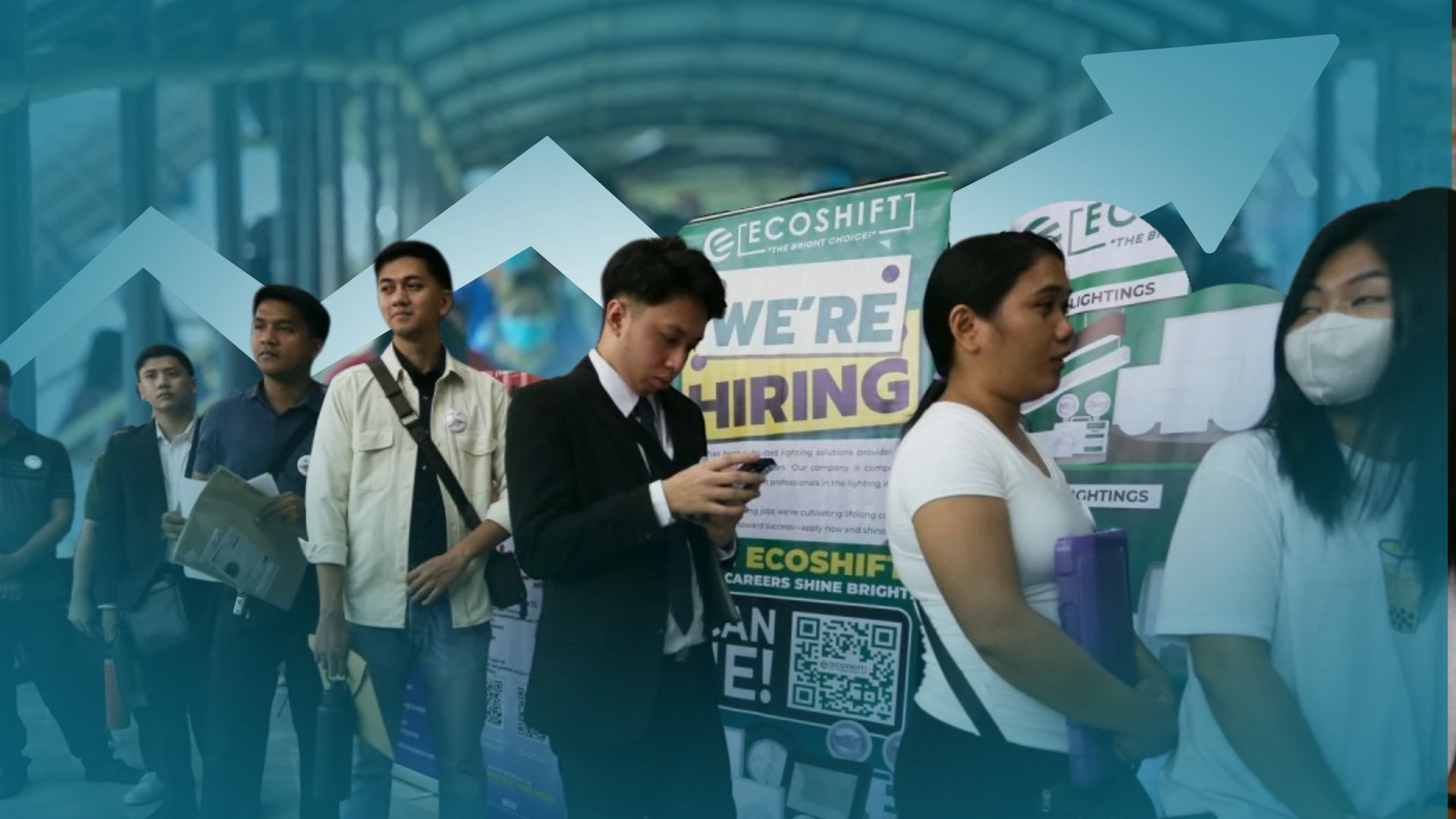
Philippine unemployment rate rises to 6% in July 2026 as 3.14 million Filipinos remain without work, with young people making up a significant share of new labor market entrants, according to the Philippine Statistics Authority (PSA) on Tuesday, September 8.
PSA reported that the July unemployment rate increased from 4.9% in June 2026 and 5.3% in July 2025, marking the highest rate recorded since June 2022, when unemployment also reached 6%.
The number of unemployed Filipinos also reached 3.14 million in July, up from 2.59 million recorded during the same period in 2025.
National Statistician Claire Dennis Mapa said the increase was largely linked to the growing number of Filipinos entering the labor market without enough available jobs to accommodate them.
“Dumami ang nag-join sa labor market at hindi lahat na-absorb,” Mapa said, explaining that more people entered the workforce than the number of available jobs could accommodate.
The labor force increased to 52.36 million in July from 48.64 million a year earlier, with the labor force participation rate rising to 63.6% from 60.7% in July 2025.
Among young Filipinos aged 15 to 24, the labor force participation rate increased to 33.7% from 29.5% a year earlier, while their employment rate slightly declined to 81.4% from 81.9%.
The National Capital Region (NCR) recorded the highest unemployment rate among regions at 8.2%, exceeding the national rate of 6%.
Mapa said the difficulty in absorbing new workers was also connected to weaker economic growth, particularly in investment, which affects the ability of businesses to expand and create jobs.
“Definitely may relationship ito doon sa ating growth ng economy, particularly doon sa investment,” Mapa said.
The Department of Economy, Planning, and Development (DEPDev) also called the latest labor figures “mixed” and said the country needed to strengthen efforts to attract investments that would generate quality employment.
“These figures show both progress and challenge,” DEPDev Secretary Arsenio Balisacan said, noting that increased labor force participation also required stronger efforts to create quality jobs.
Despite the increase in unemployment, the underemployment rate declined to 12.9% in July from 14.8% a year earlier, although 6.33 million employed Filipinos still wanted additional working hours or another job.
PSA also reported that the proportion of young people not in education, employment, or training declined to 15.2% in July from 15.9% in July 2025.
The July figures show that while more Filipinos, particularly young people, entered the workforce, job creation did not keep pace with the growing number of people seeking employment.