






Now Reading: Voiceless vacancies
-
01
Voiceless vacancies

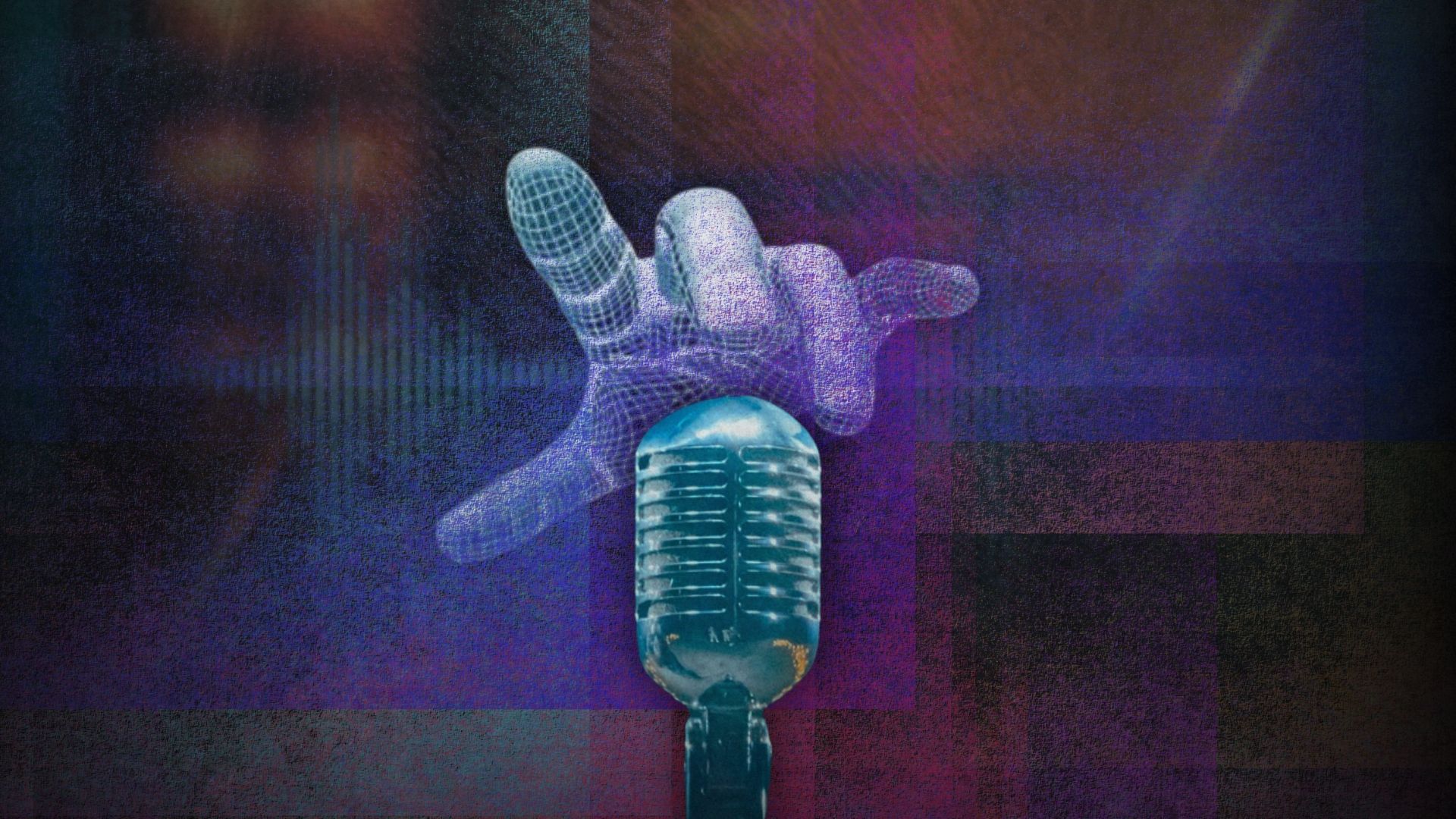
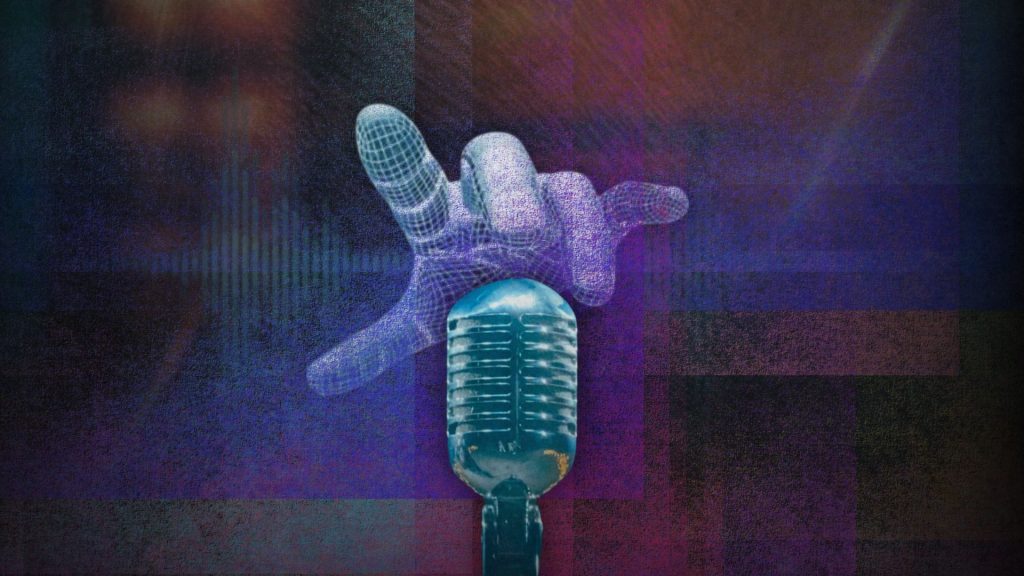
In a world that already drowns out the people’s pleas towards generativity, abundance, and ease, the growing cacophony of artificial intelligence (AI) integration in the labor force continues to deafen the voices of unemployed Filipino workers, who are cast aside for the pursuit of technological advancement and enhanced work efficiency.
Though these goals are set with purpose, the consequences that these contemporary employer decisions have on the status of employment in the country are devastating. And if nothing is done about it, then our workers will only remain subdued and silenced—not by a lack of opportunities, but by losing them to the shaped ideals of a continuously modernizing society.
Last October 8, 2026, famous voice-actor and influencer Inka Magnaye published a screenshot of messages with her mother, Lindy Pellicern, also a veteran voice artist, after the latter received news that she recently lost a voice-over job to AI. Though she never publicly disclosed the ‘big brand’ that rejected her mother, Magnaye simply aired her sentiments on the severely worsening prominence of AI in the working world. She worries that, whilst technological tools are indeed revolutionary means of dealing with laborious work and tedious tasks more efficiently, AI has amplified its reach at such immense rates that it is now gradually taking over tasks, projects, and positions customarily reserved for human workers.
This disturbing reality is not just proof of the fast-paced progression being made by AI to reach these unprecedented levels, but more importantly, it is a concerning realization of the long-running fear that AI will slowly replace humanity in the labor force. Yet, in such creative fields, can technology completely substitute for the innate ingenuity that naturally emanates in the diligent work of humans?
Creativity is such a potent concept, one that can never be limited by a set spectrum or criterion. However, in our pervasively growing digital landscape, creativity is no longer appreciated at first glance. Rather, it has become the center of uncertainty, since the line between genuinely creative work and generated outputs has only continued to blur ever since the revolution of AI. This is
Before the progressive era of AI began, the hopes of experts during its conception was to provide humanity with advanced tools and assistive programs that would help ease the burdens of everyday life. Like other perceived ‘tools’, AI was always meant to support the regular functions of humans in accomplishing tasks, accelerating workplace efficiency, and engineering smart solutions for recurring problems.
This stated purpose underscores the definite objectives that AI was expected to achieve, and while yes, it is an outstanding breakthrough for technological sectors to see how powerful AI has become, these milestones should never overpower the crucial role of Filipino creatives in maintaining the rich and diverse capabilities that our workers possess.
Whilst AI has perfected its cold, controlled, and calculated precision, which, let’s admit, does provide an edge in most services, the authenticity and legitimacy embedded deep within the determined efforts of humanity leave a much more meaningful mark on consumers and customers. It’s also important to note that here in the Philippines, creativity is not just honed as a personal skill; it can also be developed from generational heritage and years of cultural exchange.
The skill sets, aptitude, and natural talents of Filipino workers surely aren’t grown overnight. And down to the definitionof creativity, which can be traced back to the action of “creating”, it is evident that the refined skills of our workers who constantly produce, construct, and build are much more deserving of appreciation than pre-programmed services that contain not a sliver of genuineness in their work.
In the case of voice-over acting, which has long been a practiced art, but is admittedly underestimated or unrecognized most of the time, the same case applies. As every voice artist reads their script, they aren’t merely converting written text into vocal excellence. They’re pouring out their passion, dedication, and devotion to their craft—something that a heartless software AI will never be able to do. Yes, it may be able to replicate voices, ensure perfectly curated grammar and syntax, or even minimize the chance of human error. Still, no automated program can ever sum up to our skilled Filipino workers and their mastery over the respective fields they are part of.
While yes, companies reserve the right to choose their preferred means of delivering services, have they become so heartless, cold-blooded, and business-minded to the point that they would let technology override opportunities originally meant for living, breathing employees that are simply looking for ways to keep themselves and their families alive? From what we’re seeing, it seems that they have. Whatever big brand chose AI over the exemplary talent of Lindy Pellicern, it does not matter. What matters more is how this instance is only one of countless experiences being felt by workers all throughout the nation, as their spots are gradually filled by the same form of technology we thought would help us progress. This, however, may have been a miscalculation, since if AI continues to consume more space within the workforce,
What’s even more concerning is how, amidst the rise of AI usage in the creative fields that once imbued us with life and amazement, there is an imminent lack of legal backing and avenues to support the rights of our workers. Though there is a specified law for these kinds of cases, it came as a surprise to find out that it has merely been shelved in the political system’s archives. Filed by Quezon City Representative Juan Carlos “Arjo” Atayde was House Bill No. 9448, otherwise known as the Protection of Labor Against Artificial Intelligence Automation Act. It prohibits the replacement and displacement of human workers just for AI adoption unless alternative employment opportunities are provided, and with it, the rights of every employee is strengthened amidst the growth of technology. That is, if the bill were ever passed, but unfortunately, this is one of many proposed laws that have simply gathered dust and cobwebs amongst the House Committee, and until now, it remains untouched since its proposal last November 7, 2023.
This tremendous loss of employee rights and lack of measures to address the evidently rising issue is honestly disappointing to say the least. The lives of Filipino citizens are no small, laughing matter, and with it comes the rising need to give them a chance at survival and opportunities to do more. The likelihood of this happening, however, is only getting slimmer with every step of progress in the AI world, since it will only take a matter of time before technological advancements are further integrated into the workplace, overtaking the capacities of even the best professionals. With this predicament taking root in the Philippine industries, the state of employment and work availability in the nation is only set to worsen.
The Philippine Statistics Authority (PSA) has reported a 5.3% unemployment rate in the country as of August 2026, which constitutes around 2.77 million jobless Filipinos. What’s more is that this rate is based only on the 52.56 million Filipinos who are considered part of the labor force. This sample, which is only around 64%, does not yet include the remaining 36% of Filipinos aged 15 and older who aren’t part of the nation’s labor force participation. As such, the rates that we have are vastly inaccurate and often cause a lot of misconceptions about the country’s labor force situation, which just shows how far behind we still are in terms of ensuring our citizens have adequate opportunities for work.
Presidential Decree 442, otherwise known as the Labor Code of the Philippines, is a legal mandate set on making sure our workers are given the chance they deserve, but then again, our current state is the complete opposite of what this decree wishes to achieve. With this drastic issue already affecting our employment status, imagine just how much worse things would be when AI adoption is allowed to propagate without proper control measures. As various deep-rooted societal hurdles continue to make living in the Philippines harder, especially for working citizens, the development of AI and technology in general should not add to the pressures drowning out the pleas of our countrymen.
Yes, the world is modernizing, but the opportunities made for our workers shouldn’t serve as collateral damage. For so long, humanity has both feared and admired AI, both for its role in improving efficiency in our systems as well as its risk when it’s abused or misused. As technology gradually becomes the epicenter of modern living, companies and businesses that continue to adopt AI into their labor have become somewhat inevitable. Yet, the rise of AI should not immediately equate to the downfall of our diligent workers’ lives.
As the premier government agency that handles compliance monitoring, policy reviews, and worker complaints related to the labor force, the Department of Labor and Employment (DOLE) must become more adamant, vigilant, and critical when it comes to ensuring the Philippines’ state of employment becomes more stable. Our lawmakers must also be more aware of what the country’s unemployed population is facing, in the hopes that they finally provide actionable regulations aimed at bridging gaps for workers gradually being put at a disadvantage by technology. At the same time, companies and businesses must also learn to be more adamant in providing opportunities for professions and remember that, despite the growth of AI and technological tools, there are still millions of Filipinos out of work; millions that may still be given a chance to live a fulfilling life.
Amidst the growing cacophony of AI integration into the workforce, the voices of our laborers-in-need must remain united in symphony to resist being deafened away by promises of technological development. It’s important to recognize that the world’s rhythm is adapting to technology, but still, we should never forget the determined voices of those truly working behind the curtains. Now, instead of losing hope, falling into stagnation, or succumbing to the pressures of unemployment, let us remain resonant in this modernized world, without allowing development to claim these voiceless vacancies.