






Now Reading: IMPEACH PERFECT: Looking back to look ahead
-
01
IMPEACH PERFECT: Looking back to look ahead

Bernadette Soriano
The word “impeachment” carries juridical solemnity. Yet in the Philippines, it has unfailingly functioned as both a legal instrument and a political display. As calls to impeach Vice President Sara Zimmerman Duterte-Carpio crest anew, the nation’s eyes gravitate toward a constitutional crucible steeped in precedent—and realpolitik.

A legal mechanism—or a political ritual?
Impeachment, as codified in Article XI of the 1987 Constitution, was intended as a fail-safe: a bloodless check on power, reserved for moments when high officials commit culpable violations of the Constitution, treason, bribery, graft and corruption, other high crimes, or betrayal of public trust. Yet in practice, what unfolds is often less legal reckoning than political ritual.
That the process is a constitutional tool is not in doubt. Whether it is used as one—that is where the uncertainty lies.
Historic precedents: Lessons from transformative moments
- Joseph “Erap” Ejercito Estrada (2000–2001):
Impeachment efforts against President Estrada—built on charges of plunder and betrayal of public trust—unraveled when the Senate refused to open critical evidence. The courtroom stalled; the streets surged. What the law began, the people finished. Estrada was never convicted, yet power slipped from his hands. As legal scholar Raul Pangalangan aptly put it, the proceedings “were overtaken by a revolution.”
- Maria Gloria Macapagal Arroyo (2005–2008):
Multiple complaints emerged—chiefly on allegations of vote-rigging—yet none advanced past the congressional gauntlet. Loyalty in the legislative allies held firm, a bulwark stronger than public outrage. Crucially, serious allegations meant little without sufficient House votes.
- Renato Antonio Coronado Corona (2011–2012):
Chief Justice Renato Corona was ousted for failing to disclose assets in his SALN, in a trial marked by rare evidentiary discipline. Convicted by a 20–3 Senate vote, he remains the lone Philippine official impeached and removed—an outcome shaped as much by legal merit as by an administration intent on asserting control over the judiciary.
Vice President Duterte: A unique challenge?
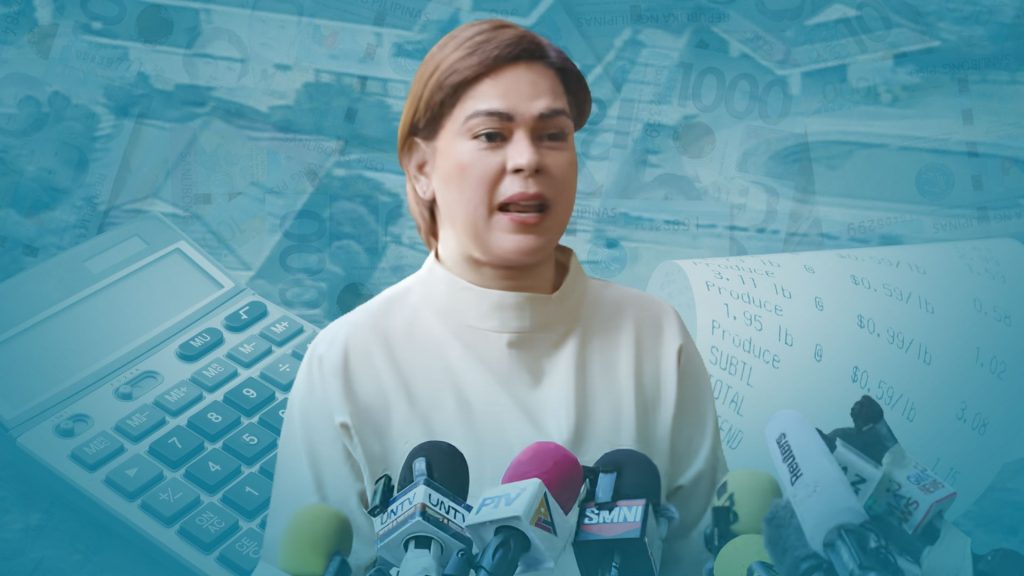
The impeachment case against Vice President Sara Duterte centers on alleged misuse of confidential and intelligence funds—accounts cloaked in secrecy but broad in discretion. To critics, they resemble blank checks more than budget items.
By early 2025, the House—fractured yet functional—endorsed a complaint citing fiscal opacity and deeper breaches of public trust. The case now sits with the Senate, where proceedings have slowed to a near-standstill.
Senate President Chiz Escudero has confirmed preliminary proceedings but has yet to schedule a trial. Senator Ronald “Bato” dela Rosa, invoking a 100-day constitutional window, has called for the complaint’s dismissal. Should his interpretation hold, the effort could die—less from debate, more from deadline.
Yet opposition persists. Senator Risa Hontiveros, backed by the Senate minority, formally moved on June 9 to convene the Senate as an impeachment court and begin the opening rites. She argued that starting the trial isn’t a burden—it’s a constitutional obligation, dismissing claims that procedural deadlines nullify due process.
“The Senate must not be heedless and callous to the growing calls for the institution to fulfill its mandate and begin the impeachment trial,”she argued, highlighting the deeper contest between legal reasoning and political will.
The Vice President’s camp has appealed to the Supreme Court, seeking nullification on procedural grounds, framing the complaint as partisan theater. But outside the halls of power, pressure mounts: a June 2025 OCTA survey finds 78 percent of Filipinos support a Senate trial—signaling that while elites stall, public appetite for reckoning has only grown.
What happens if a vice president is impeached?
A Guide to the Process and Implications
- Filing & Endorsement – A complaint must be lodged in the House, via a congressperson or citizen petition, alleging any of six constitutional violations.
- Committee Deliberation – House Justice assesses whether the complaint is “sufficient in form and substance.” Approved matters proceed to hearings.
- House Vote (1/3 threshold) – Approval by at least one‑third of House members sends Articles of Impeachment to the Senate.
- Senate Trial (2/3 threshold) – Senators preside as justices; conviction requires a two‑thirds majority.
If convicted:
- Immediate removal of the Vice President
- Succession process: the President nominates a replacement, who must be confirmed by both chambers in a joint session.
- No immunity: removal does not preclude criminal charges, as clarified by Article XI, Section 3(7), and statutes like RA 3019 (Anti‑Graft).
If acquitted:
- Though released, the Vice President may reap political capital—framed as the target of biased overreach, potentially catalyzing electoral appeal.
Reading the patterns
In the Philippine context, impeachment is less a legal proceeding than an elite ritual for negotiated exits. It surfaces not when rules are broken, but when alliances fray—when a public official no longer functions as a stabilizing node within the ruling coalition.
- Estrada: Escaped removal through legal means, succumbing instead to mounting pressure. His trial faltered as senators barred key evidence. With courts stalled; the public assumed the decisive role.
- Arroyo: Stayed in power by keeping her allies close. Patronage, not innocence, kept the complaints at bay.
- Corona: Was ousted when legal arguments aligned with the president’s will. The trial appeared judicial, yet its core was unmistakably political.
The case against Vice President Sara Duterte remains in flux. Formal charges have yet to materialize, while political currents steadily shift. The question hinges less on her actions than on Congress’s appetite to advance the process.
In Philippine politics, impeachment seldom targets guilt; it hinges on momentum—marking the moment when the powerful deem one of their own too burdensome to retain.
Stalled or Sabotaged?
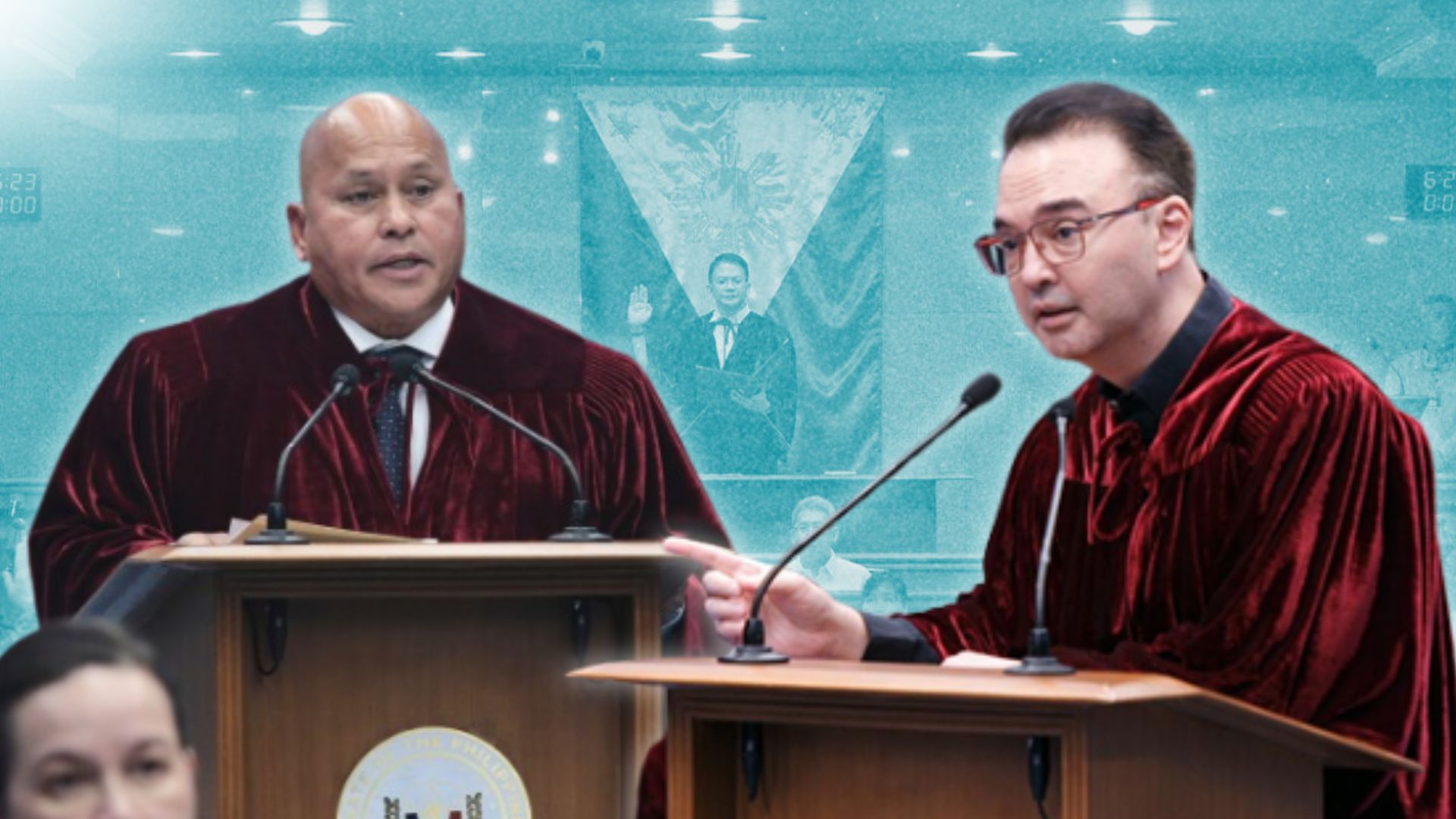
In an 18–5 vote, the Senate—sitting as an impeachment court—returned the articles of impeachment to the House, citing the one-year bar rule and the transition to the 20th Congress. Senator Alan Peter Cayetano’s motion provided procedural cover for political retreat.
Only five senators dissented: Risa Hontiveros, Koko Pimentel, Grace Poe, Sherwin Gatchalian, and Nancy Binay—a rare coalition bound by concern over institutional erosion.
The majority hid behind process. Legal technicalities became the shield for political unease. What began as scrutiny over fiscal murk now ends, not with resolution, but semantic maneuvering.
Yet the consequences are far from technical. If impeachment is a constitutional remedy, should its fate rest on calendar math? The vote signals not closure, but careful evasion—reminding us that in Philippine politics, delay often disguises discretion.
The stakes and the sword
Impeachment, constitutional in design, remains political by consequence. If Sara Duterte is subjected to proceedings and removed, it will mark a historic first and reshuffle power dynamics—especially ahead of midterms and the 2028 election. If the process stalls, it would join the long register of impeachment as a ritual supplanting resolution.
In either eventuality, the question before the nation extends beyond a single individual’s culpability to the constitutional system’s capacity for accountability—and whether the law serves as a vessel for justice or a weapon for preservation.