











Now Reading: Artemis III highlights ‘Earth Joy,’ set to test key moon-surviving technologies
-
01
Artemis III highlights ‘Earth Joy,’ set to test key moon-surviving technologies
Artemis III highlights ‘Earth Joy,’ set to test key moon-surviving technologies

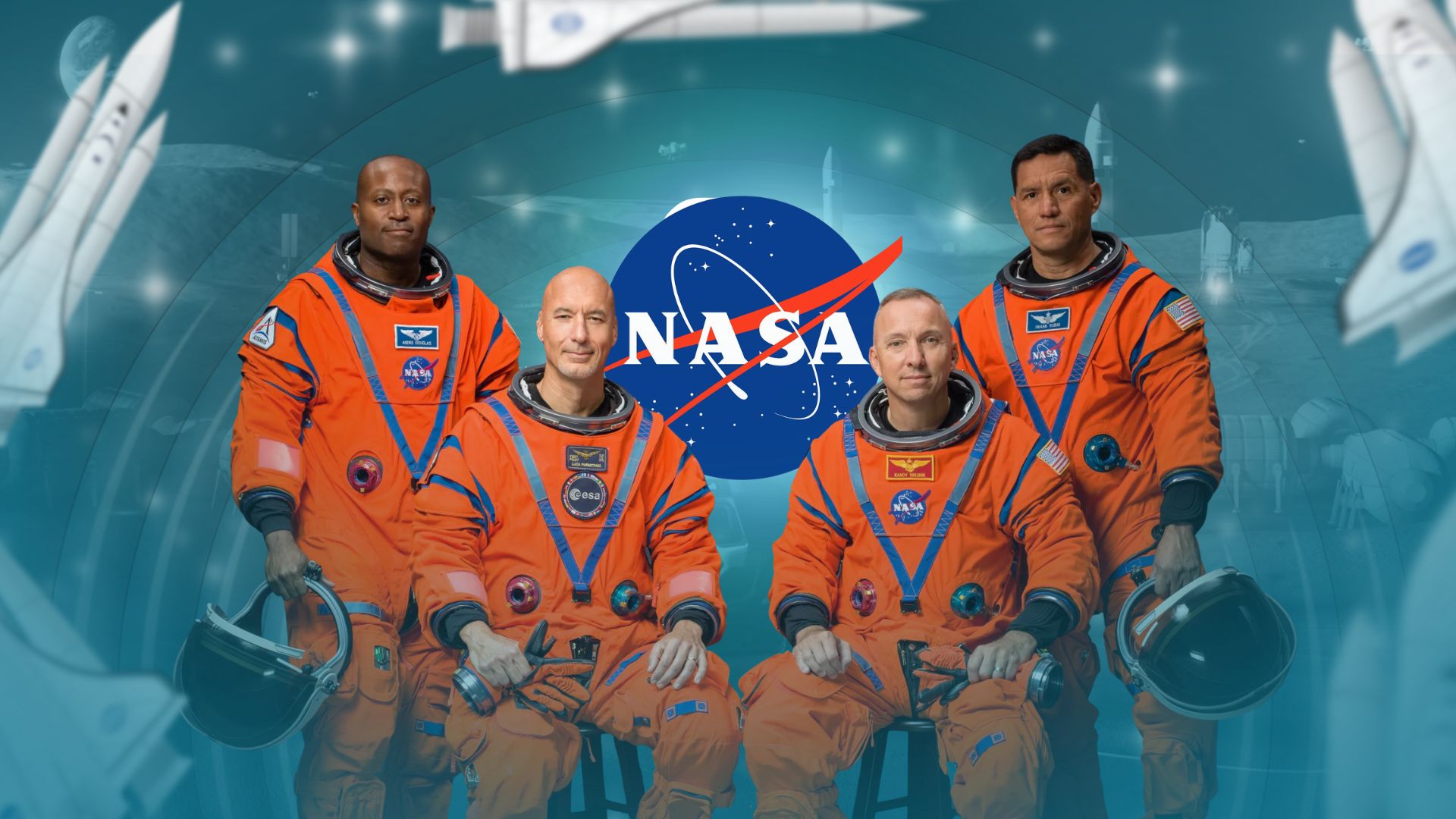
Following the success of Artemis II, the National Aeronautics and Space Administration (NASA) says that Artemis III is designed to test key space technology and reduce risk for future moon landings.
According to the mission profile, the crew is tasked to orbit Earth while performing major docking missions and integrated systems and life support trials, expected to last roughly two weeks with a splashdown in the Pacific Ocean.
“This mission is deliberately designed to take calculated risks so that future crews will be safer and ultimately successful when we put boots on the lunar surface,” Artemis III Mission Update Lead Jeremy Parsons said.
Additionally, the mission is also set to study the Earth’s atmosphere and space weather in order to understand the impact of solar activity on spacecraft drag and orbital decay which are key concepts in understanding how an object behaves in Low-Earth Orbit (LEO) over time.
Spacecraft drag refers to the aerodynamic resistance induced to a vehicle by atmospheric gases while orbit decay is the gradual decrease in altitude of an orbiting object over time.
“Well, while Artemis II was all about Moon joy, Artemis III will be all about Earth joy,” NASA Science Head Dr. Nicki Fox claimed.
Fox added that NASA will also be gathering samples from within Orion, and bringing them back to Earth to help scientists distinguish between interior background noise and actual lunar sample data, essentially improving future mission accuracies.
Several technical and hardware developments are also underway, including new optical communication technology for improved data exchange between the spacecraft and mission control, new Orion docking system, and enhanced heat shield.
NASA is going to be working closely with Blue Origin and SpaceX as their primary commercial partners in the mission of Artemis III that focuses on Human-Landing Systems (HLS), which is basically the astronauts’ mode of transportation from lunar orbit to the Moon’s surface, with the space vehicle expected to be ready for launch in 2027.
“We’re incredibly excited to help return humans to the moon once again and this time to stay,” SpaceX Customer Operations and Integration Vice President stated.
The space agency also named the four astronauts that will perform the mission: Commander Randy Bresnik, Pilot Luca Parmitano, Mission Specialists Frank Rubio and Andre Douglas, and Backup Crew Member Bob Heintz.
“This seems like the beginning of the future that we imagined as children. This seems like the very beginning of Earth’s first Star Fleet to me,” NASA Administrator Jared Isaacman remarked.